In
- 0
- 787 words
5 Ingredients That Can Actually Make A Difference To Your Skin
Last Updated:
From sunscreen and neem to aloe vera, turmeric and vitamin C, discover what five skincare ingredients actually do and why they deserve a place in your routine.
Skincare shelves have never been fuller, and neither have people’s doubts. Every season brings another molecule promising to transform your skin, but not every trending ingredient deserves a permanent place in your routine. Nagaveni K.S., Research Scientist, Personal Care R&D, Himalaya Wellness, feels the smarter approach is to understand what each ingredient is actually designed to do, and choose accordingly. From daily sun protection to ingredients traditionally used for breakouts, hydration, glow and pigmentation, these five have distinct roles in a well-considered skincare routine.
1/6
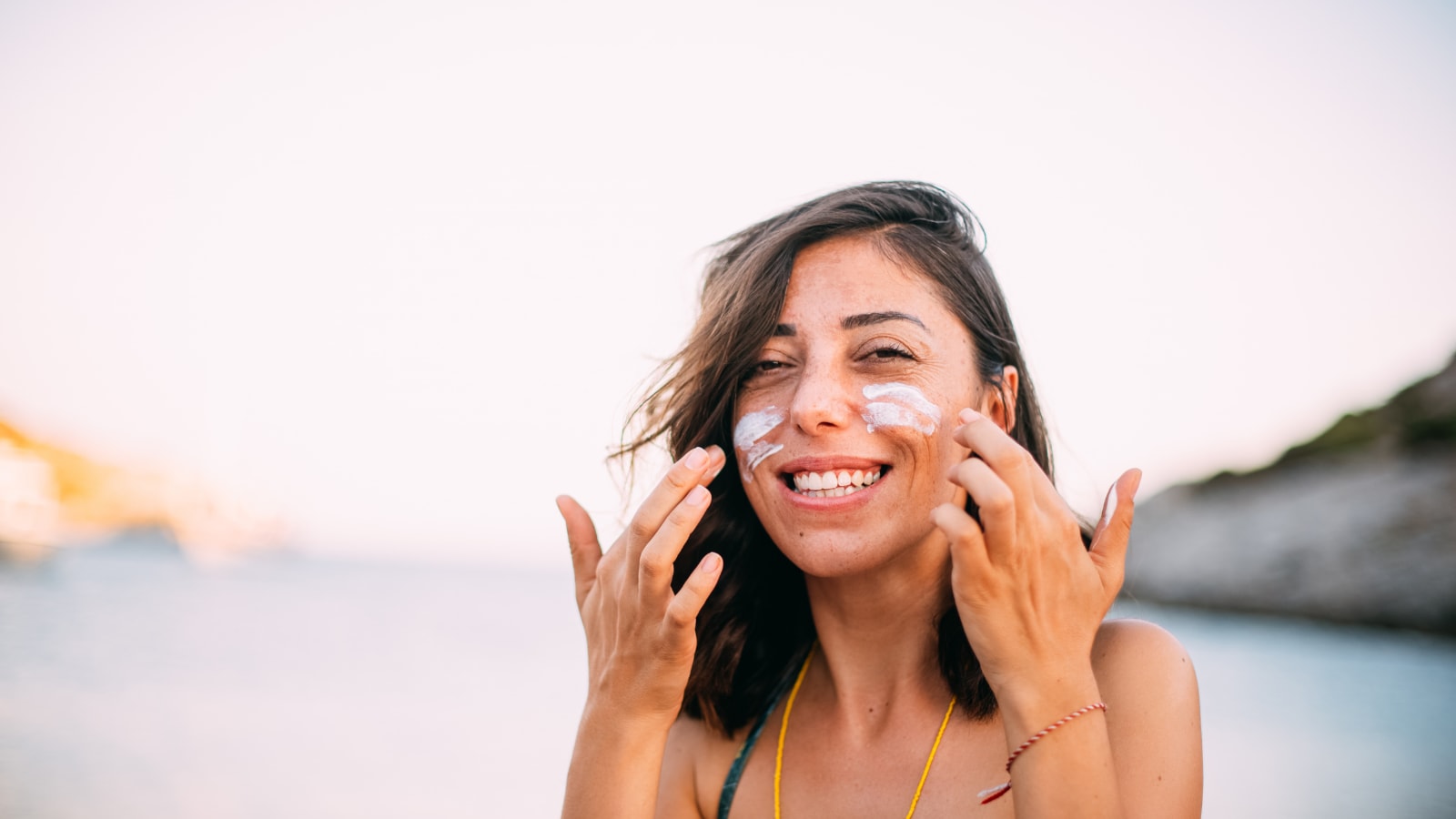
Sunscreen: The Step That Makes Everything Else Work
You can have the most carefully curated skincare routine, but daily sun protection remains fundamental.
UV exposure contributes to premature skin ageing, pigmentation and other forms of photodamage. Sunscreen helps protect the skin from this cumulative damage, making it an essential part of any routine, not simply the final product you apply before stepping outside. Apply sunscreen generously and reapply when appropriate, particularly after sweating, swimming or spending extended periods outdoors.
The takeaway: If you are going to prioritise one skincare step, make it consistent sun protection.
2/6
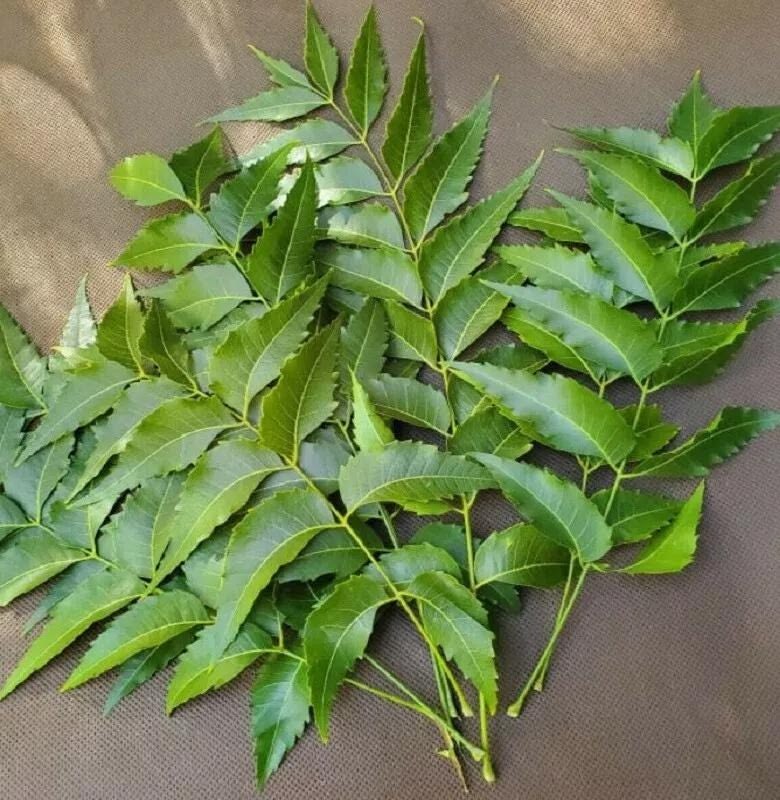
Neem: For Breakouts That Won’t Quit
Long before neem became a popular skincare ingredient, it had a place in traditional Indian beauty practices.
Neem is known for its antibacterial and anti-inflammatory properties, which can make it useful in formulations designed for blemish-prone skin. For skin experiencing breakouts, managing inflammation can be just as important as addressing the blemish itself. The formulation matters, too. Neem-based products should be designed to support the skin without excessively stripping away its natural moisture.
The takeaway: Neem can be a useful ingredient for blemish-prone skin, particularly when incorporated into a gentle, well-balanced formulation.
ADVERTISEMENT
3/6

Aloe Vera: The Quiet Workhorse of Hydration
Aloe vera has long been associated with soothing irritated or sun-exposed skin, but its usefulness extends beyond the occasional cooling gel. Rich in water and naturally occurring polysaccharides, aloe vera can help support skin hydration while providing a lightweight, soothing feel. That makes it particularly appealing for people who want moisture without a heavy or greasy finish.
In hot and humid weather, lightweight hydration can be especially comfortable for the skin.
The takeaway: When your skin needs moisture but dislikes heavy textures, aloe vera can be a simple ingredient to look for.
4/6
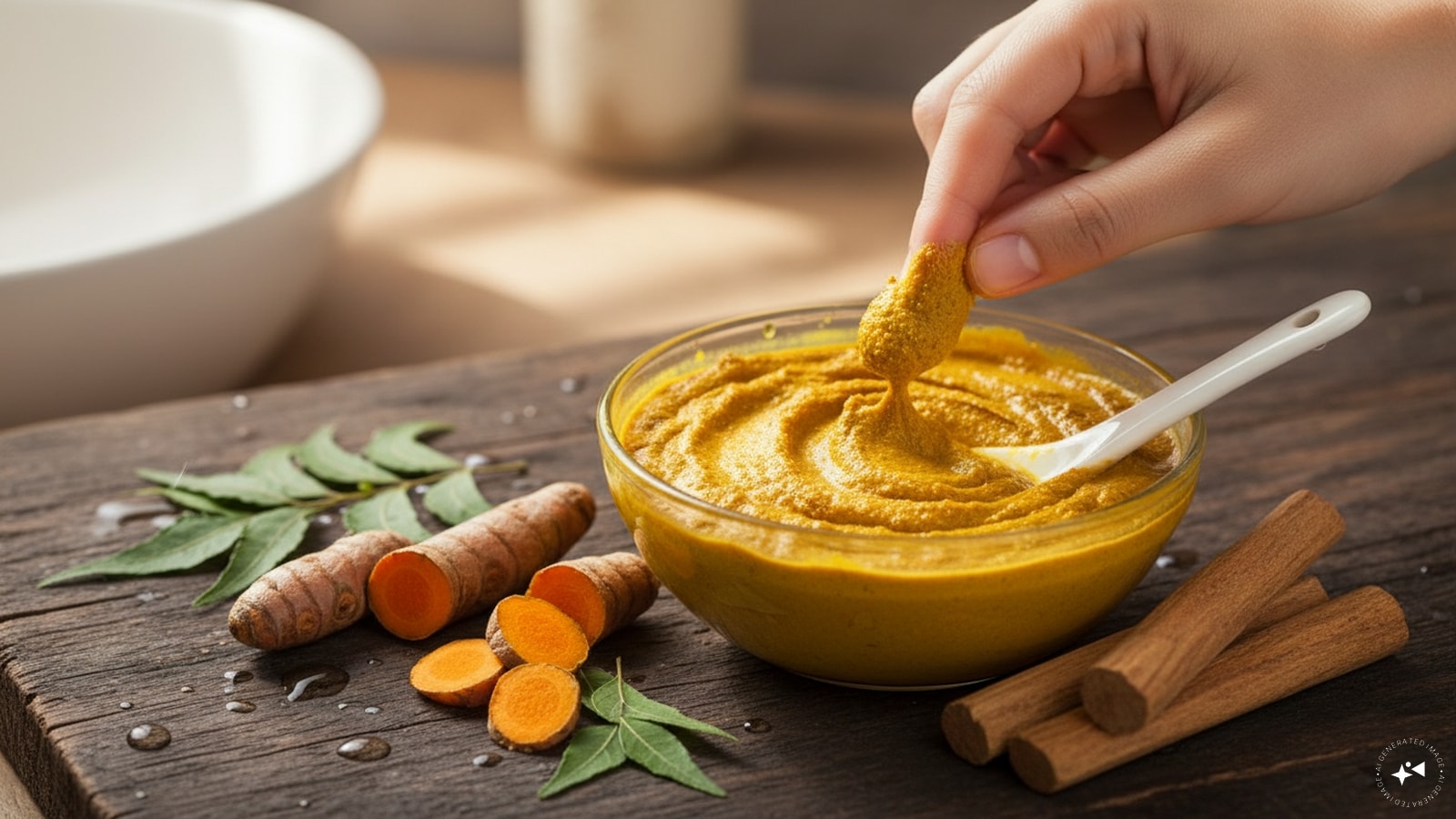
Turmeric: For That Elusive Glow
Few ingredients have as strong a connection to Indian beauty traditions as turmeric. From traditional haldi ceremonies to modern skincare formulations, the golden ingredient has travelled a long way. Turmeric contains curcumin, a compound with antioxidant and anti-inflammatory properties. In skincare, these properties are of interest for supporting a calmer, more even-looking complexion. The objective isn’t to alter the skin’s natural colour. Rather, a healthy-looking glow comes from skin that is well cared for and less affected by visible dullness and inflammation. One challenge remains: turmeric’s intense natural colour. Modern formulation therefore focuses on incorporating the ingredient effectively without leaving unwanted yellow residue on the skin.
The takeaway: Turmeric’s skincare appeal goes beyond tradition, its antioxidant and anti-inflammatory properties make it an ingredient worth understanding.
ADVERTISEMENT
5/6
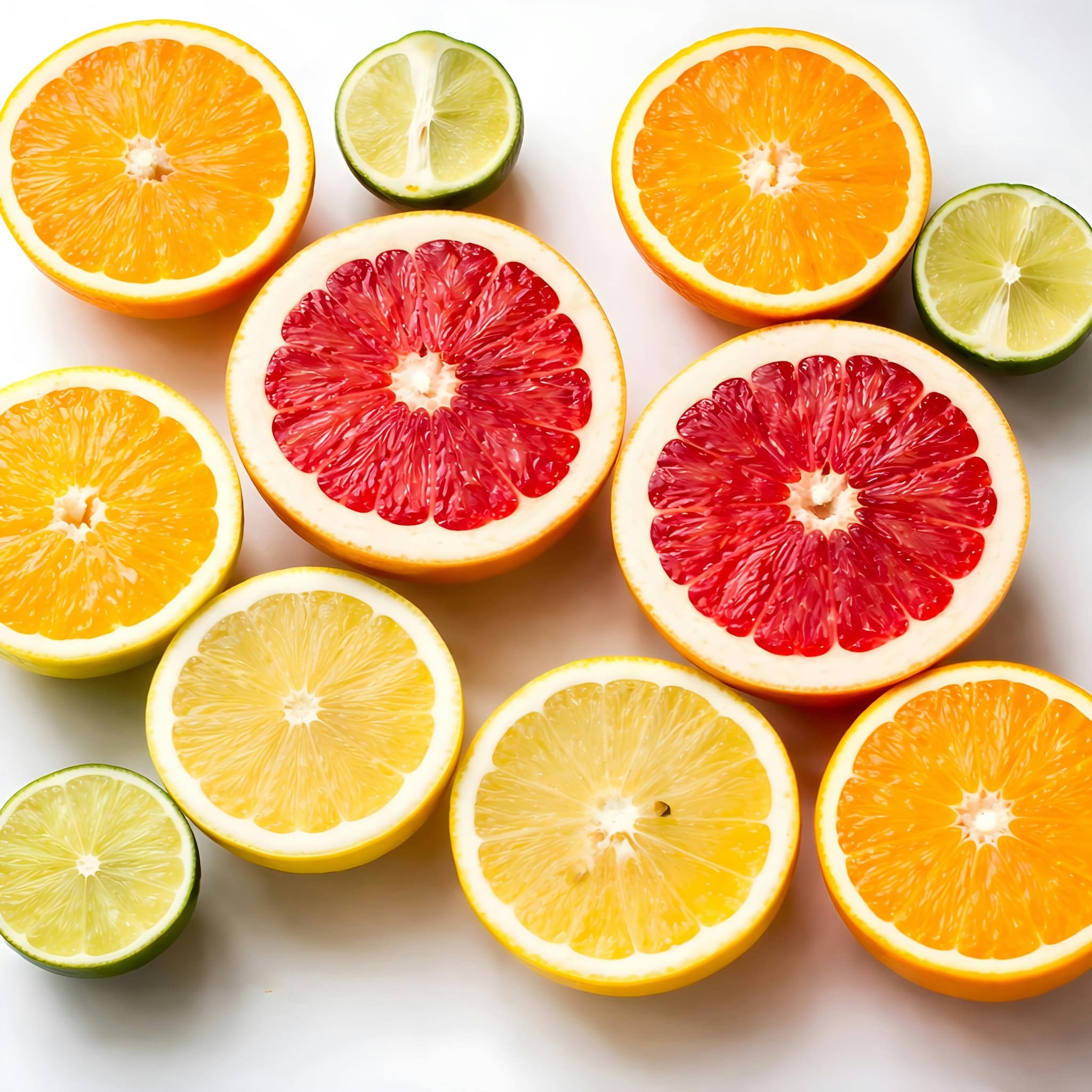
Vitamin C: Brightening With a Purpose
Vitamin C has earned its status as a skincare staple for good reason.
As an antioxidant, it helps protect skin from oxidative stress while supporting collagen production. Topical vitamin C is also widely used to address the appearance of pigmentation and uneven skin tone, helping the complexion look brighter and more even.
But the ingredient comes with a catch: vitamin C can be unstable, particularly when exposed to air, light and unsuitable conditions. That means the formulation, concentration and packaging can be just as important as the ingredient itself.
And brightening should not be confused with skin lightening. The goal is to improve the appearance of uneven pigmentation and dullness while preserving the skin’s natural tone.
The takeaway: Vitamin C can be a powerful addition to a routine, but choosing a well-formulated product matters.
6/6

Five Ingredients. Five Jobs.
Neem for breakouts.
Aloe vera for hydration.
Turmeric for glow.
Vitamin C for brightening.
Sunscreen for protection.
The smartest skincare routine isn’t necessarily the one with the longest ingredient list. It is the one that understands what the skin actually needs and chooses ingredients accordingly.
Original source: https://www.news18.com/
Author

admin@myncblogs.com