In
- 0
- 659 words
News Photogallery lifestyle home-garden 6 Easy Tips To Ensure Your Tulsi Plant Is Thriving In A Pot This Sharvan
6 Easy Tips To Ensure Your Tulsi Plant Is Thriving In A Pot This Sharvan
Last Updated:
Tulsi is regarded as a sacred plant and is closely associated with Goddess Lakshmi and Lord Vishnu.
1/8
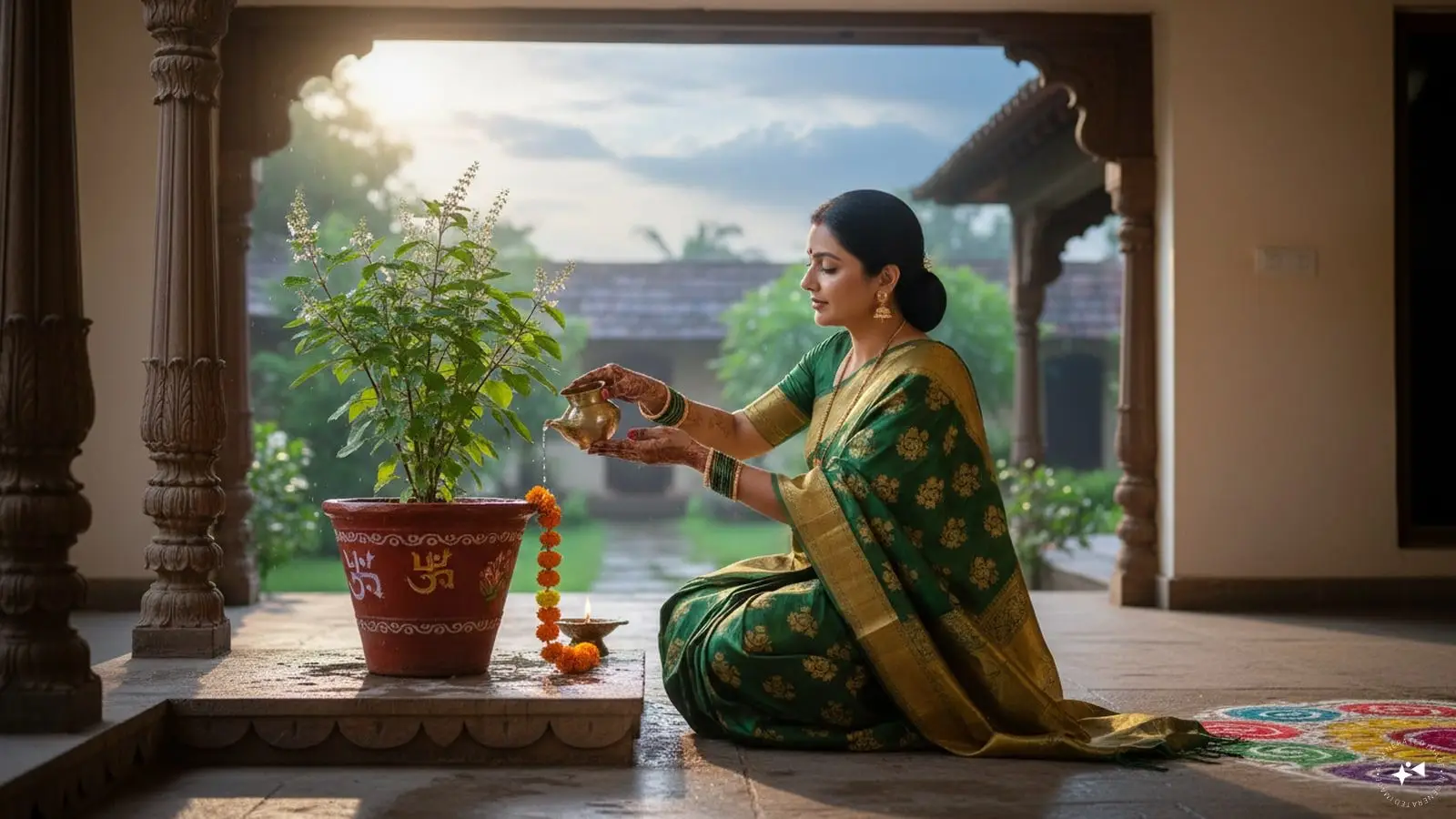
Sawan, also known as Shravan, is considered an auspicious month in the Hindu calendar, and many devotees use this time to deepen their faith and spiritual practices. One such way is to bring home a Tulsi plant. It holds a special place in Hindu traditions. If you have been thinking about growing Tulsi at home, Sawan can be a meaningful time to start. You do not need a large garden either — a healthy Tulsi plant can thrive in a pot on a balcony, terrace or sunny windowsill.
2/8
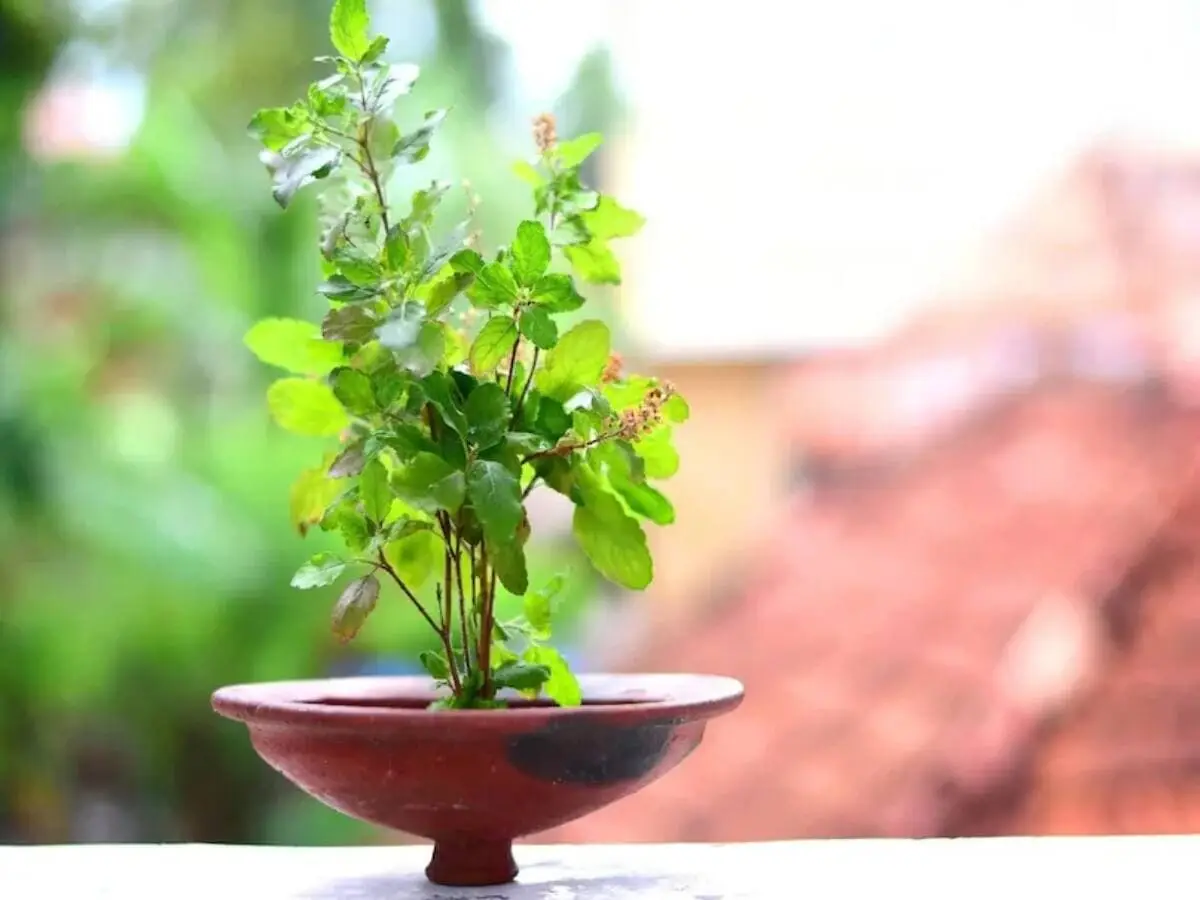
Why is Tulsi considered spiritually significant in Hinduism?
According to Hindu beliefs and traditions, Tulsi is regarded as a sacred plant and is closely associated with Goddess Lakshmi and Lord Vishnu. A Tulsi plant is traditionally kept in many Hindu homes, where it may be worshipped and cared for as part of daily spiritual practices. Devotees believe that keeping Tulsi at home can contribute to an atmosphere of purity, positivity and spiritual well-being. The plant is also commonly associated with devotion, protection and auspiciousness. These are matters of faith and tradition rather than scientifically established spiritual effects, but caring for a Tulsi plant can also become a simple daily ritual that connects people with nature and their religious practices during the holy month of Sawan. Here are some easy tips to help you grow Tulsi in a pot at home.
According to Hindu beliefs and traditions, Tulsi is regarded as a sacred plant and is closely associated with Goddess Lakshmi and Lord Vishnu. A Tulsi plant is traditionally kept in many Hindu homes, where it may be worshipped and cared for as part of daily spiritual practices. Devotees believe that keeping Tulsi at home can contribute to an atmosphere of purity, positivity and spiritual well-being. The plant is also commonly associated with devotion, protection and auspiciousness. These are matters of faith and tradition rather than scientifically established spiritual effects, but caring for a Tulsi plant can also become a simple daily ritual that connects people with nature and their religious practices during the holy month of Sawan. Here are some easy tips to help you grow Tulsi in a pot at home.
ADVERTISEMENT
3/8
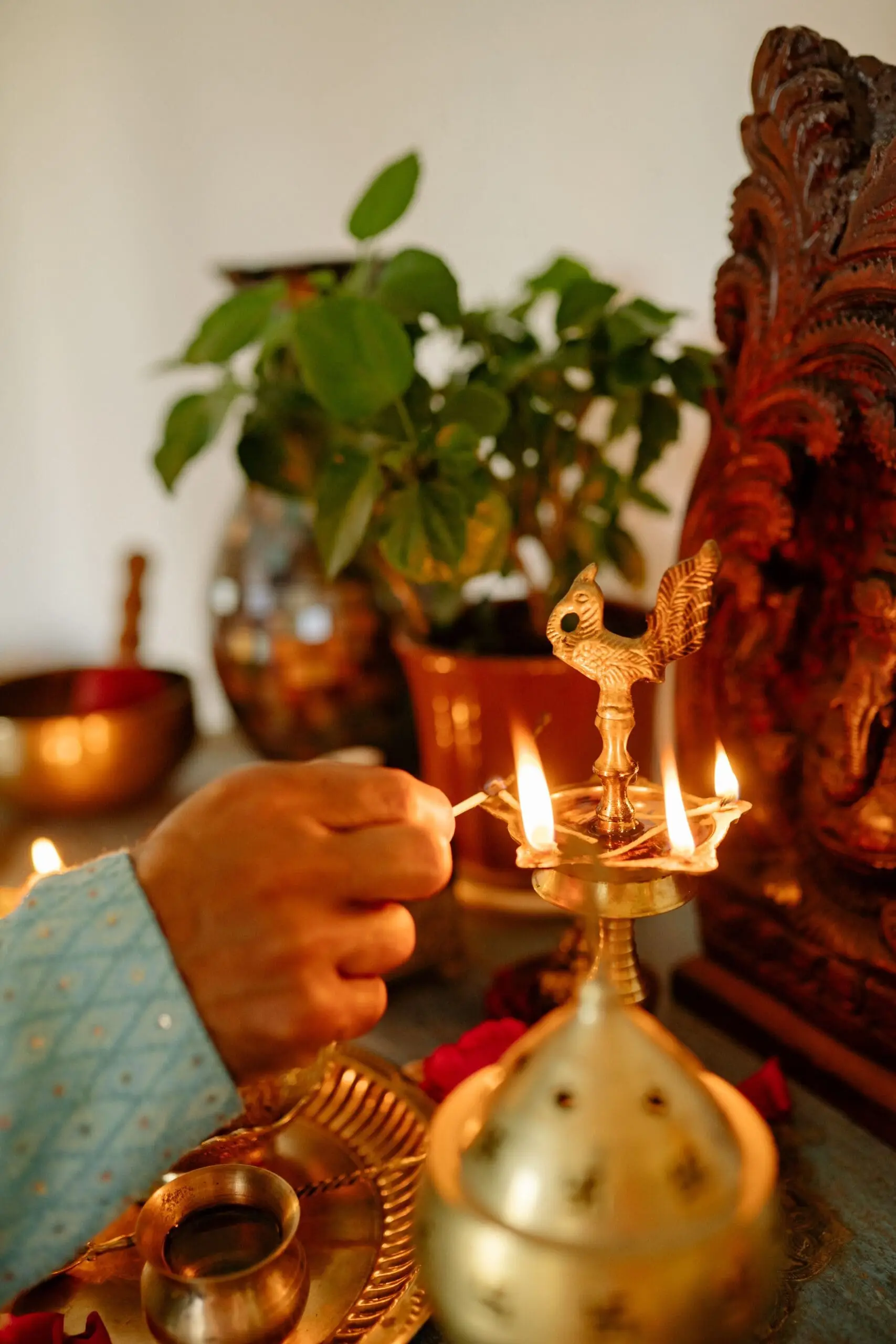
1. Choose The Right Tulsi Plant
There are several varieties of Tulsi, including Rama Tulsi and Krishna Tulsi. For beginners, choose a healthy young plant from a reliable nursery. Look for one with fresh green leaves, strong stems and no visible signs of pests or disease. You can also grow Tulsi from seeds, although starting with a young plant is generally easier.
There are several varieties of Tulsi, including Rama Tulsi and Krishna Tulsi. For beginners, choose a healthy young plant from a reliable nursery. Look for one with fresh green leaves, strong stems and no visible signs of pests or disease. You can also grow Tulsi from seeds, although starting with a young plant is generally easier.
4/8
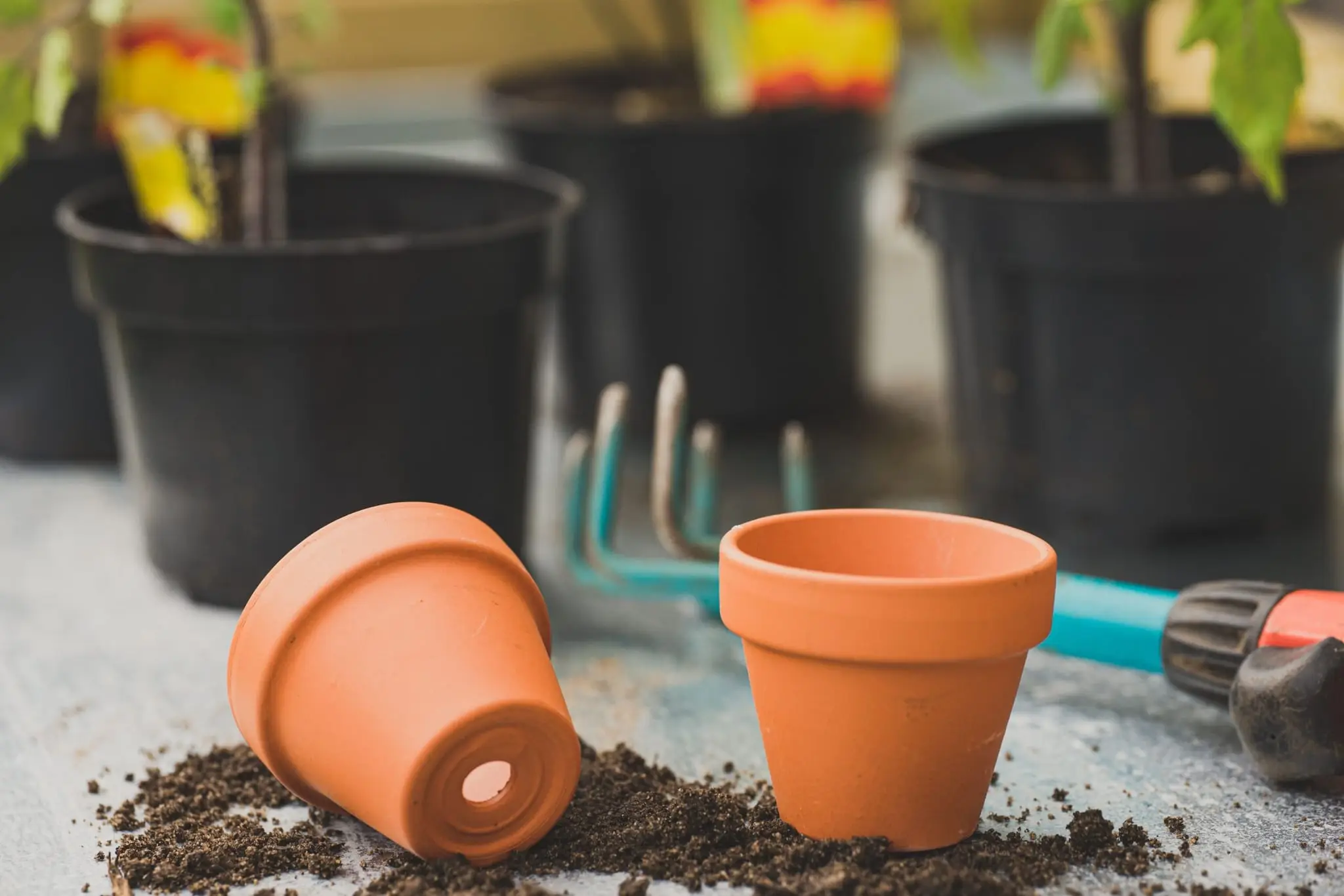
2. Pick A Pot With Good Drainage
Tulsi does not like sitting in water for long periods. Choose a pot with drainage holes at the bottom so excess water can escape easily. A medium-sized terracotta or ceramic pot can work well and gives the roots enough room to grow. Avoid choosing an excessively large pot, as it can retain more moisture than the plant needs.
Tulsi does not like sitting in water for long periods. Choose a pot with drainage holes at the bottom so excess water can escape easily. A medium-sized terracotta or ceramic pot can work well and gives the roots enough room to grow. Avoid choosing an excessively large pot, as it can retain more moisture than the plant needs.
ADVERTISEMENT
5/8
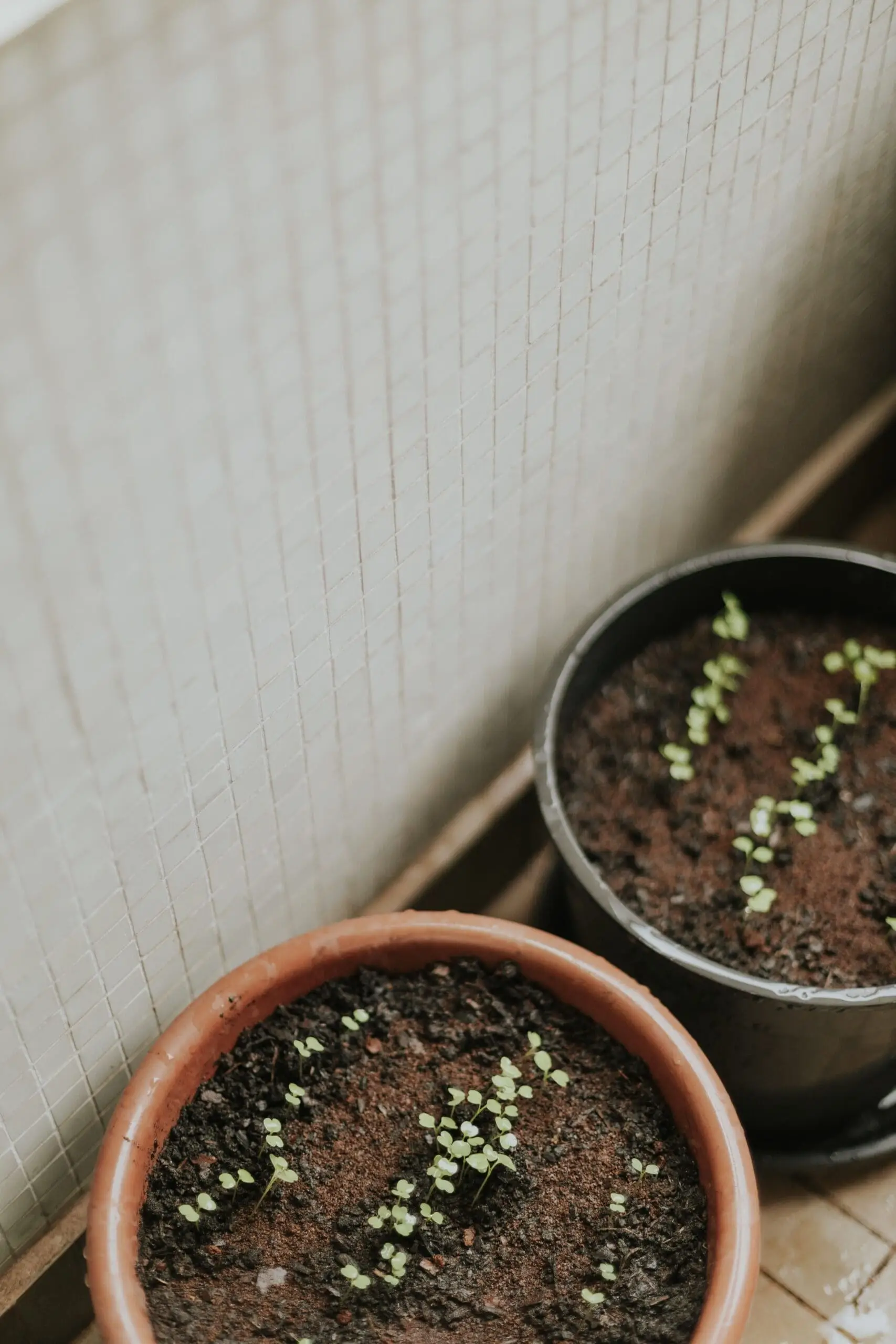
3. Give Your Tulsi Plenty Of Sunlight
Tulsi is a sun-loving plant and generally does best when it receives several hours of bright sunlight every day. Place the pot somewhere that gets good morning or early afternoon sunlight, such as a balcony, terrace or sunny window. During India’s hot weather, however, watch the leaves for signs of excessive heat and move the plant if necessary.
Tulsi is a sun-loving plant and generally does best when it receives several hours of bright sunlight every day. Place the pot somewhere that gets good morning or early afternoon sunlight, such as a balcony, terrace or sunny window. During India’s hot weather, however, watch the leaves for signs of excessive heat and move the plant if necessary.
6/8
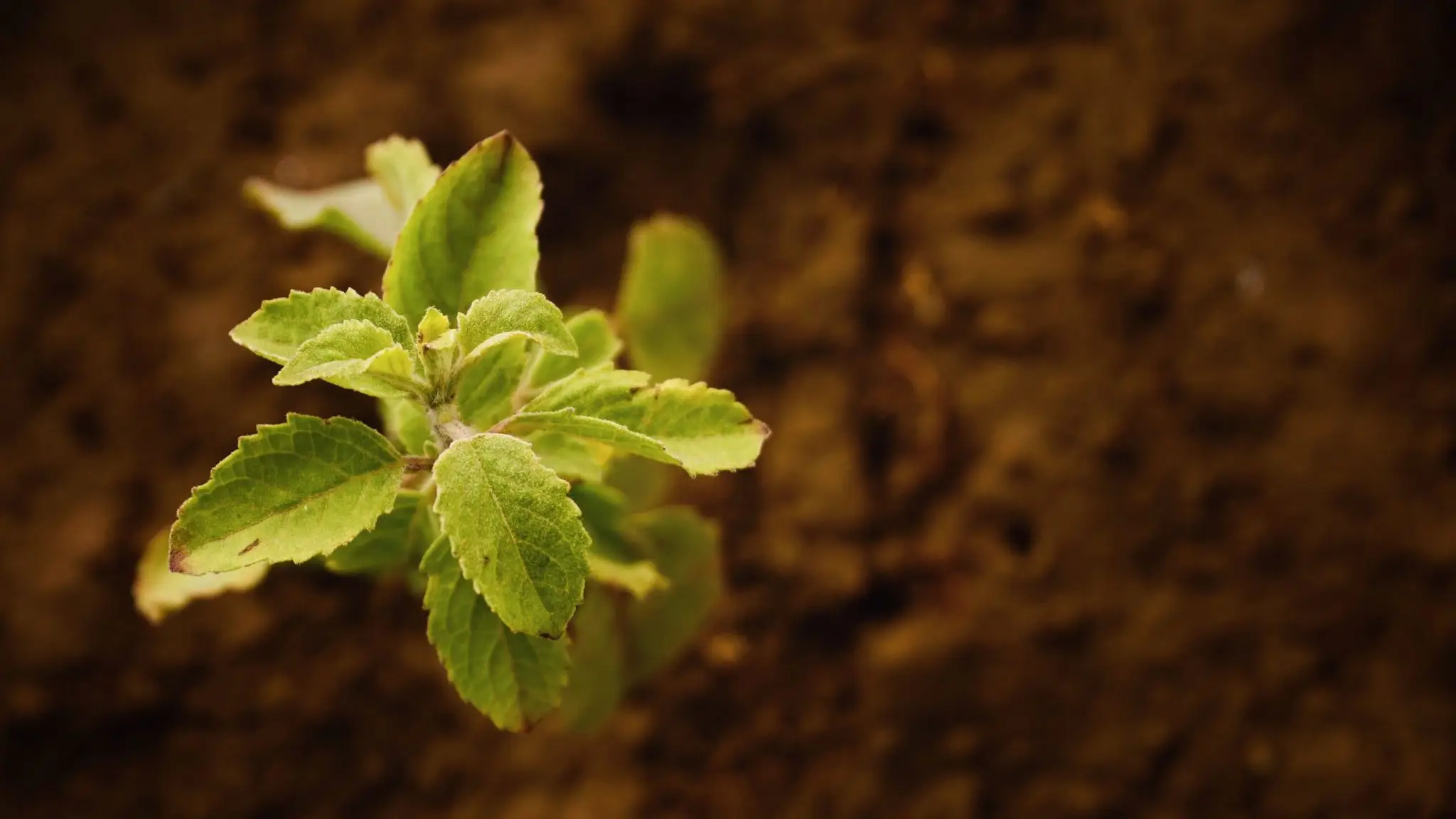
4. Use Well-Draining Soil
The soil should be loose, fertile and well-draining. You can use a good-quality potting mix combined with compost and materials such as cocopeat or sand to improve drainage. The aim is to create soil that retains some moisture without becoming waterlogged.
The soil should be loose, fertile and well-draining. You can use a good-quality potting mix combined with compost and materials such as cocopeat or sand to improve drainage. The aim is to create soil that retains some moisture without becoming waterlogged.
ADVERTISEMENT
7/8
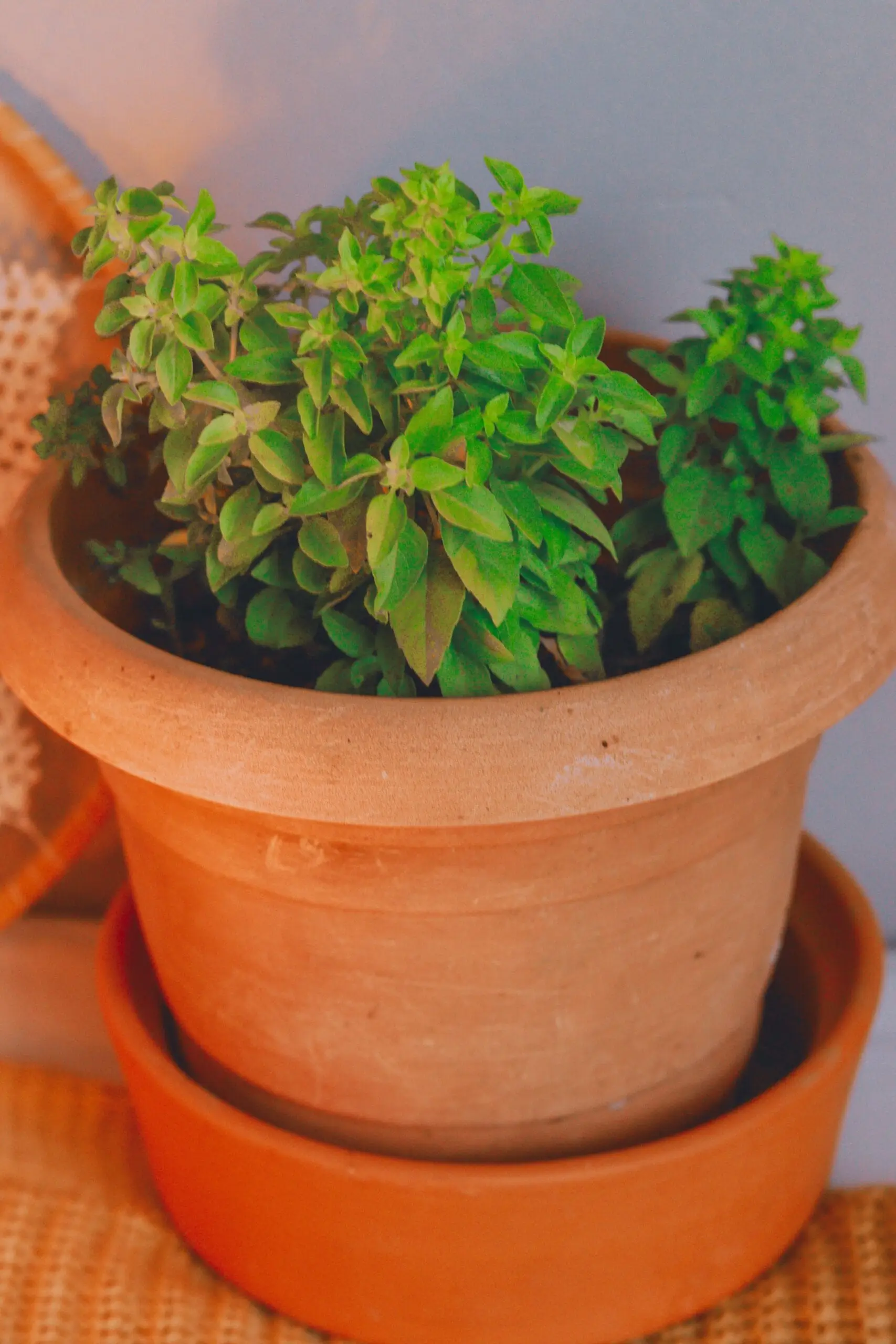
5. Water It, But Don’t Overwater
One of the most common mistakes when growing Tulsi at home is giving it too much water. Check the top layer of soil before watering. If it feels dry, water the plant thoroughly and allow the excess to drain out. During the monsoon, pay particular attention to watering because frequent rain and humidity can leave the soil wet for longer.
One of the most common mistakes when growing Tulsi at home is giving it too much water. Check the top layer of soil before watering. If it feels dry, water the plant thoroughly and allow the excess to drain out. During the monsoon, pay particular attention to watering because frequent rain and humidity can leave the soil wet for longer.
8/8
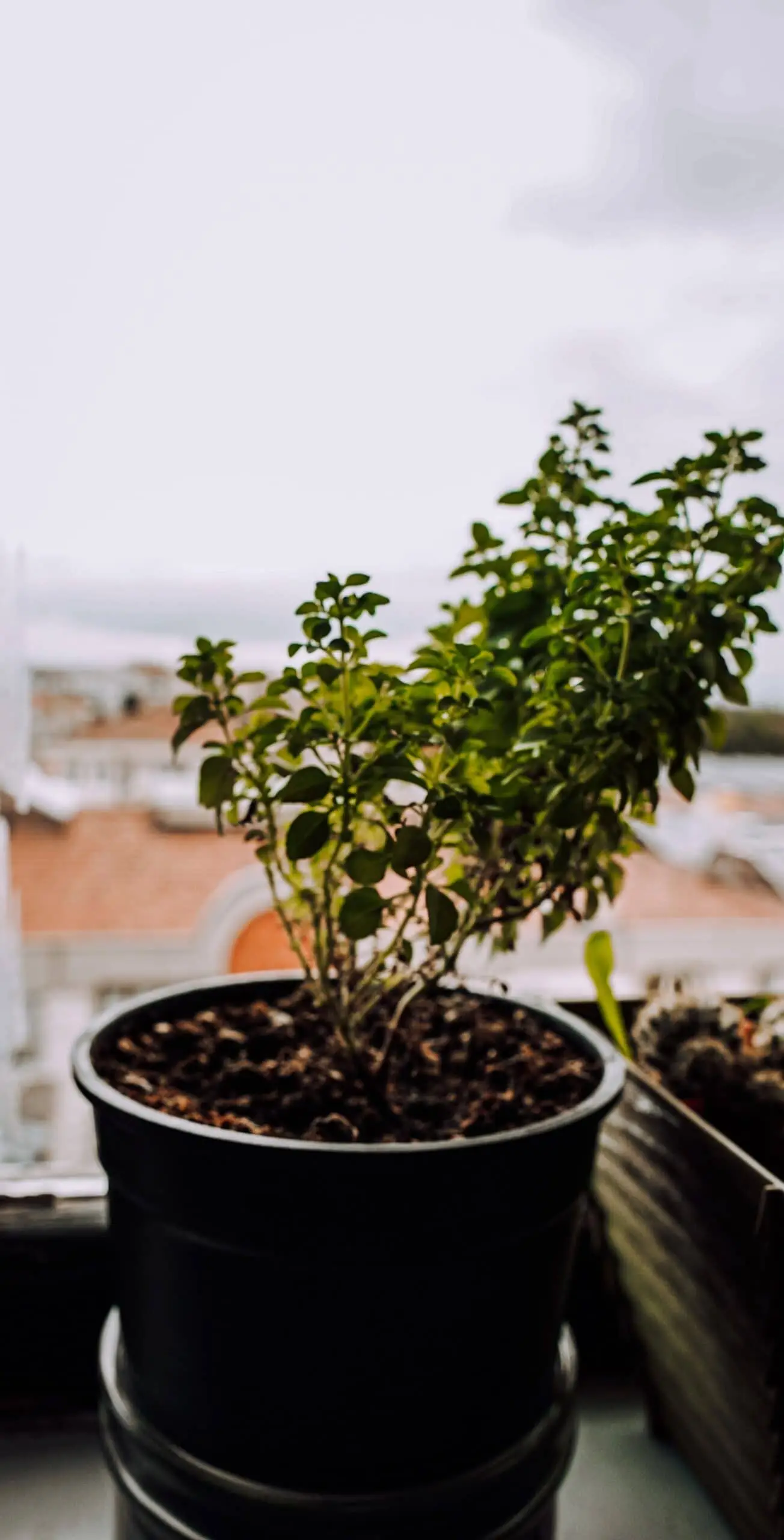
6. Keep Trimming The Plant
Regularly pinching or pruning the growing tips can encourage Tulsi to become bushier instead of growing tall and sparse. Remove yellow or damaged leaves as well. If the plant begins producing flowers, you can gently remove some of them if your goal is to encourage more leafy growth.
Regularly pinching or pruning the growing tips can encourage Tulsi to become bushier instead of growing tall and sparse. Remove yellow or damaged leaves as well. If the plant begins producing flowers, you can gently remove some of them if your goal is to encourage more leafy growth.
Original source: https://www.news18.com/
Author

admin@myncblogs.com