- 0
- 986 words
66% Of Women Want Men To Make The First Move: Why Dating Apps Are Rewriting The Rules In 2026
Bumble says 66% of women surveyed prefer men to send the first message, while 62% feel more confident when given greater choice over how conversations begin.

Summarized by AI.


Got Question about the News?


Loved the profile, matched with the vibe and even swiped right. Now comes the real question: who is sending that first text? For 66% of women, the answer is clear: they would rather men make the first move. In 2026, even dating apps are changing the rules around that first hello.
Bumble says 66% of women surveyed prefer men to send the first message, while 62% feel more confident when given greater choice over how conversations begin. The app has also extended the response window from 24 to 72 hours, signalling a clear move away from pressure-driven digital dating.
Recommended Stories
Modern dating is becoming less about who should make the first move and more about who genuinely wants to. As dating app fatigue grows and singles demand more meaningful interactions, platforms are rethinking the rigid rules that once defined their identities.
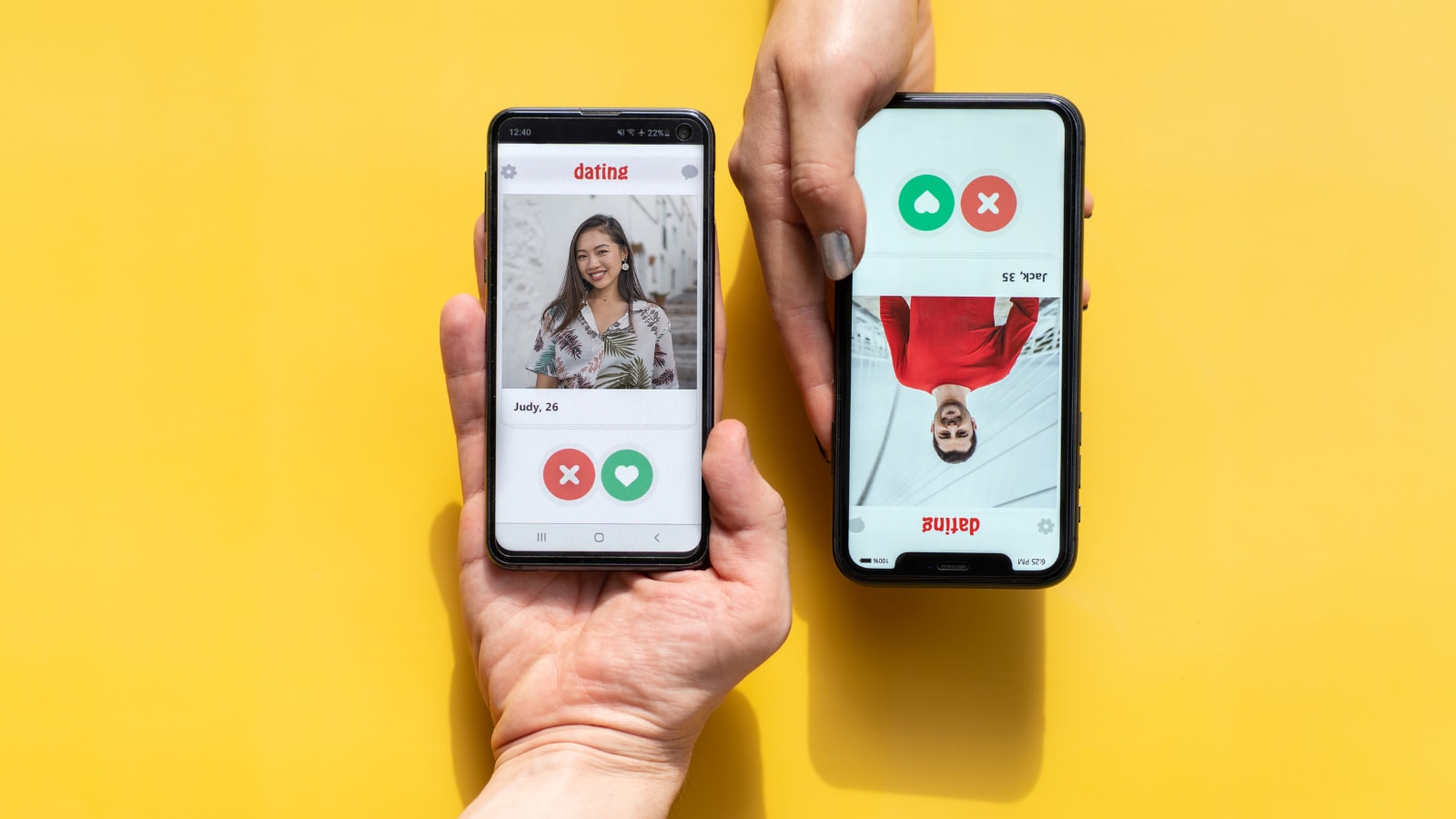
Bumble Ends ‘Women Message First’ Rule
When Bumble launched in 2014, its women-first messaging rule was its biggest differentiator. In heterosexual matches, women had to initiate the conversation, a model designed to challenge traditional dating dynamics and give women greater control over their online interactions.
In August 2026, that rule changed. Bumble now allows either person in a match to send the first message, regardless of gender. The app has also extended the time available to respond to 72 hours, compared with the earlier 24-hour window.
For many, the change may seem surprising. After all, Bumble built an entire identity around turning traditional courtship on its head. Yet the survey numbers suggest that empowerment and mandatory initiation are not necessarily the same thing.
Why Choice Is Becoming The New Dating Currency
The most interesting part of the change is not simply that more women want men to make the first move. It is that many users appear to want flexibility.
A woman may want to initiate a conversation when she feels a strong connection, but on another day, she may prefer to be approached. Dating, after all, is not a fixed personality trait. Confidence can change depending on mood, context and chemistry.

Bumble founder and CEO Whitney Wolfe Herd has framed the change as a move towards greater flexibility and less pressure rather than a retreat from the app’s women-first philosophy. The idea is simple: giving women more choice can itself be empowering.
Is Dating in 2026 Moving Back To Traditional Roles?
The 66% figure will also reignite an old conversation: are dating norms becoming more traditional again?
Not necessarily. Wanting to be pursued does not automatically mean wanting a return to rigid gender roles. For some women, having the option for men to make the first move simply removes the pressure of carrying the conversation from the start.
Meanwhile, others may still enjoy taking charge, especially when they see someone they genuinely want to know. The difference is that dating apps are increasingly recognising that one rule cannot represent every woman’s version of confidence.
Why The First Message Is More Than An Impression?
According to the company, the app can identify low-effort openers, such as one-word messages, and encourage users to write something more thoughtful. Testing also showed more chat initiation after the change.
That could be an important part of the story. The real problem with dating apps may not be who says hello first, but whether there is anything worth saying after hello.
In 2026, the rules of romance are clearly being rewritten. The first move is no longer a duty assigned by gender. It is becoming a choice. And for singles tired of being told exactly how dating should work, that may be the biggest change of all.
Key Questions Answered
 Ask News18
The changes in dating app rules, such as Bumble allowing either person to make the first move, are a response to user fatigue with traditional swipe-based platforms and slowing growth in the online dating industry. Other dating apps, including those owned by Match Group like Tinder, are also rolling out new features and AI-powered tools to improve user engagement.
Ask News18
Original source: https://www.news18.com/lifestyle/relationship/
Author

admin@myncblogs.com