- 0
- 502 words
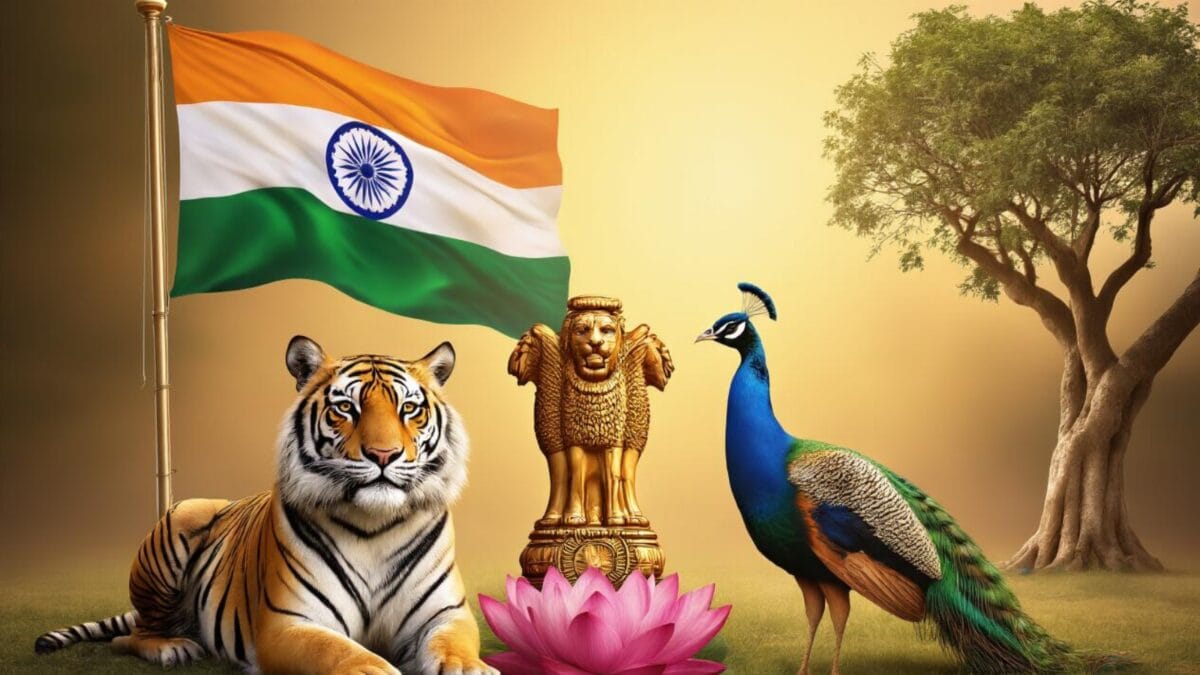
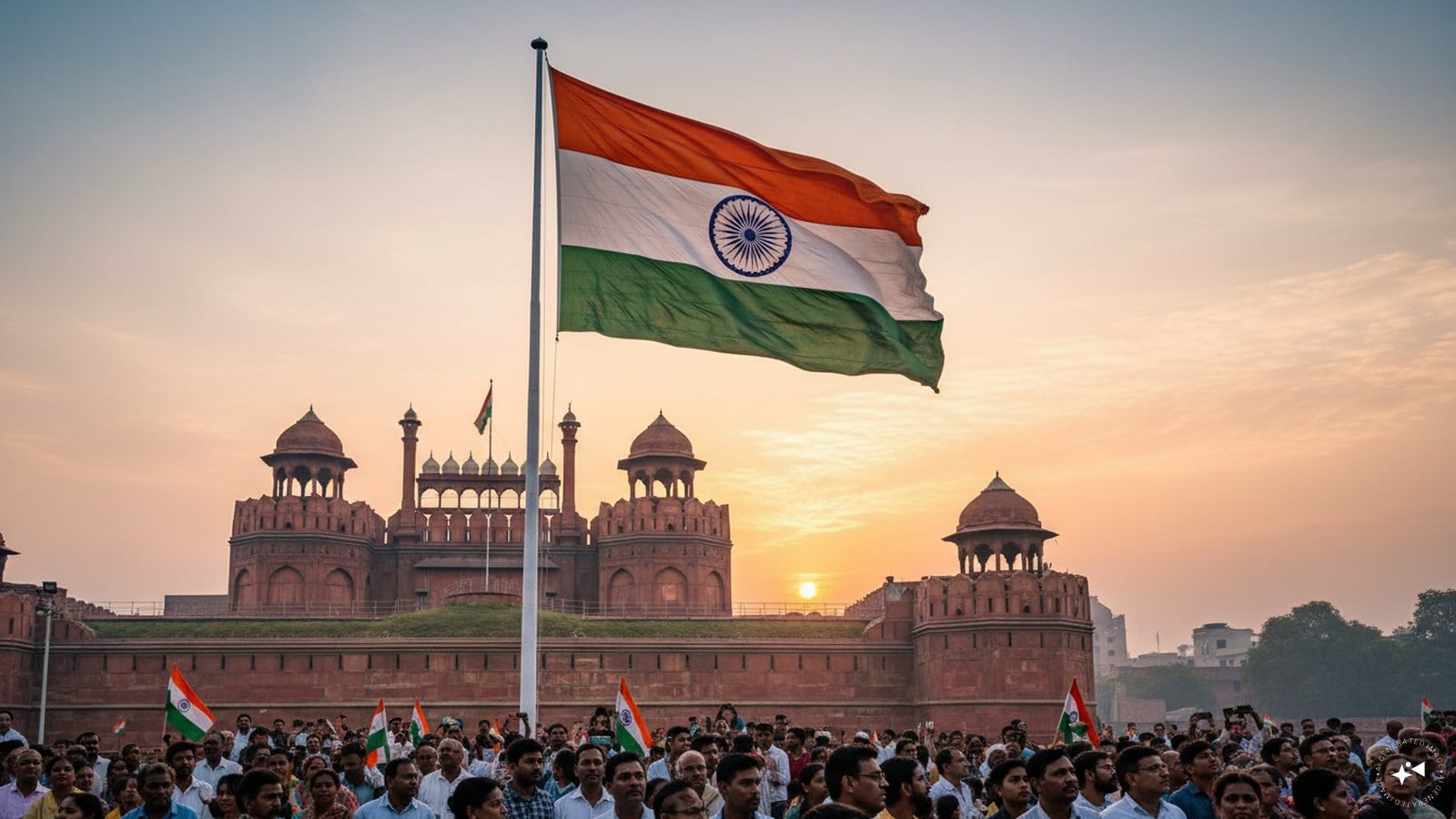
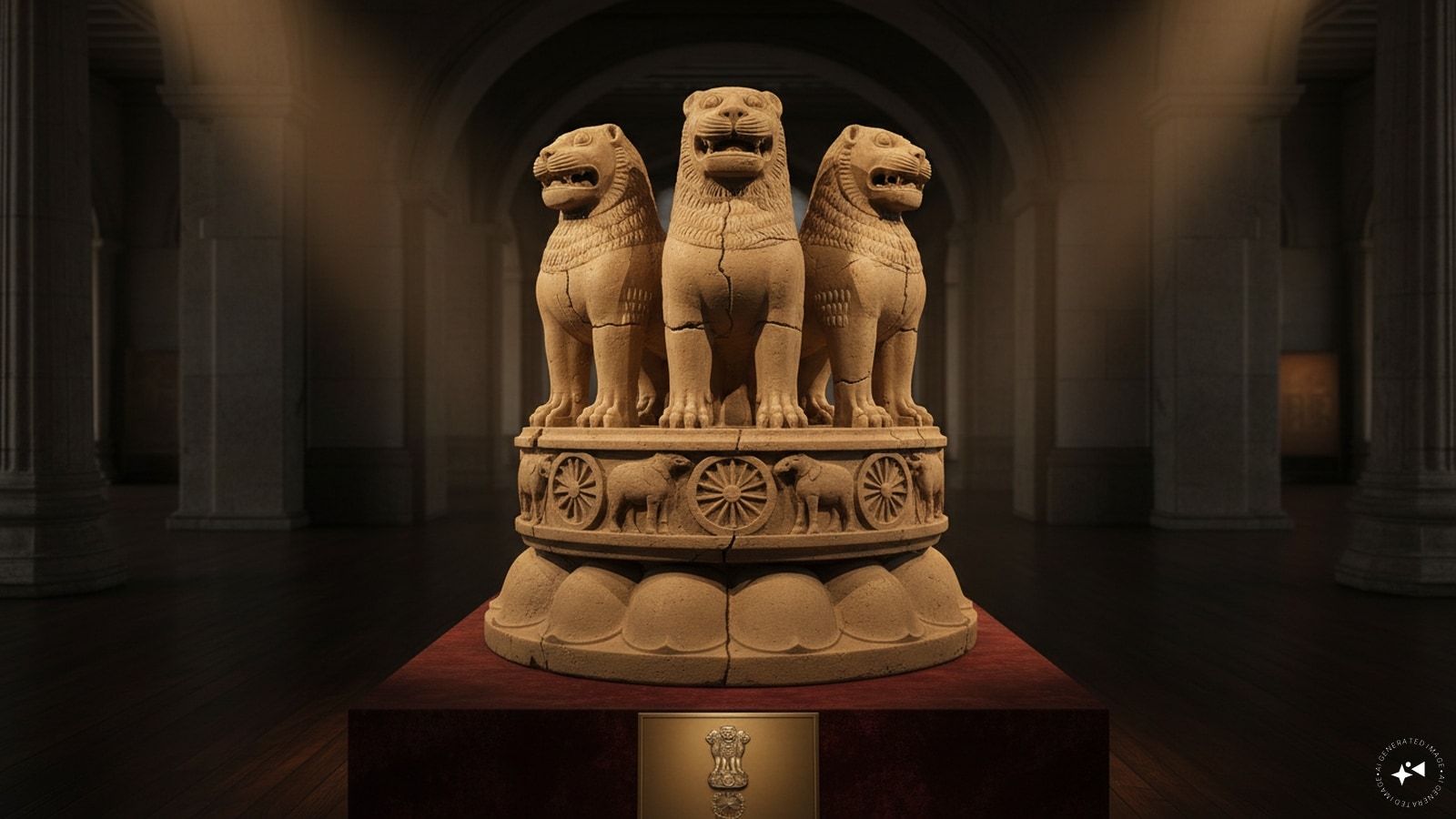
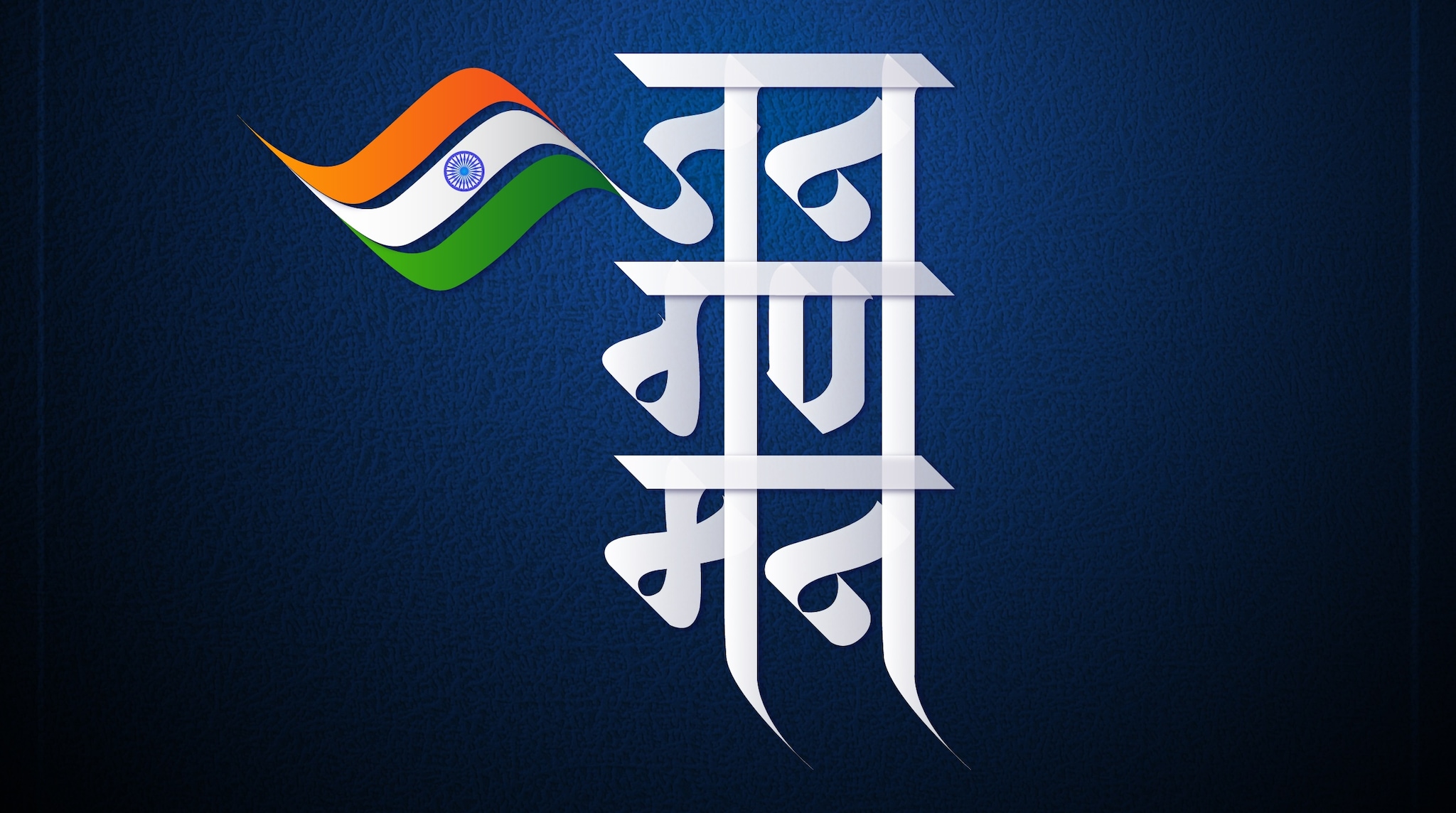
National Symbols Of India And Their Meaning: Flag, Emblem, Anthem And More
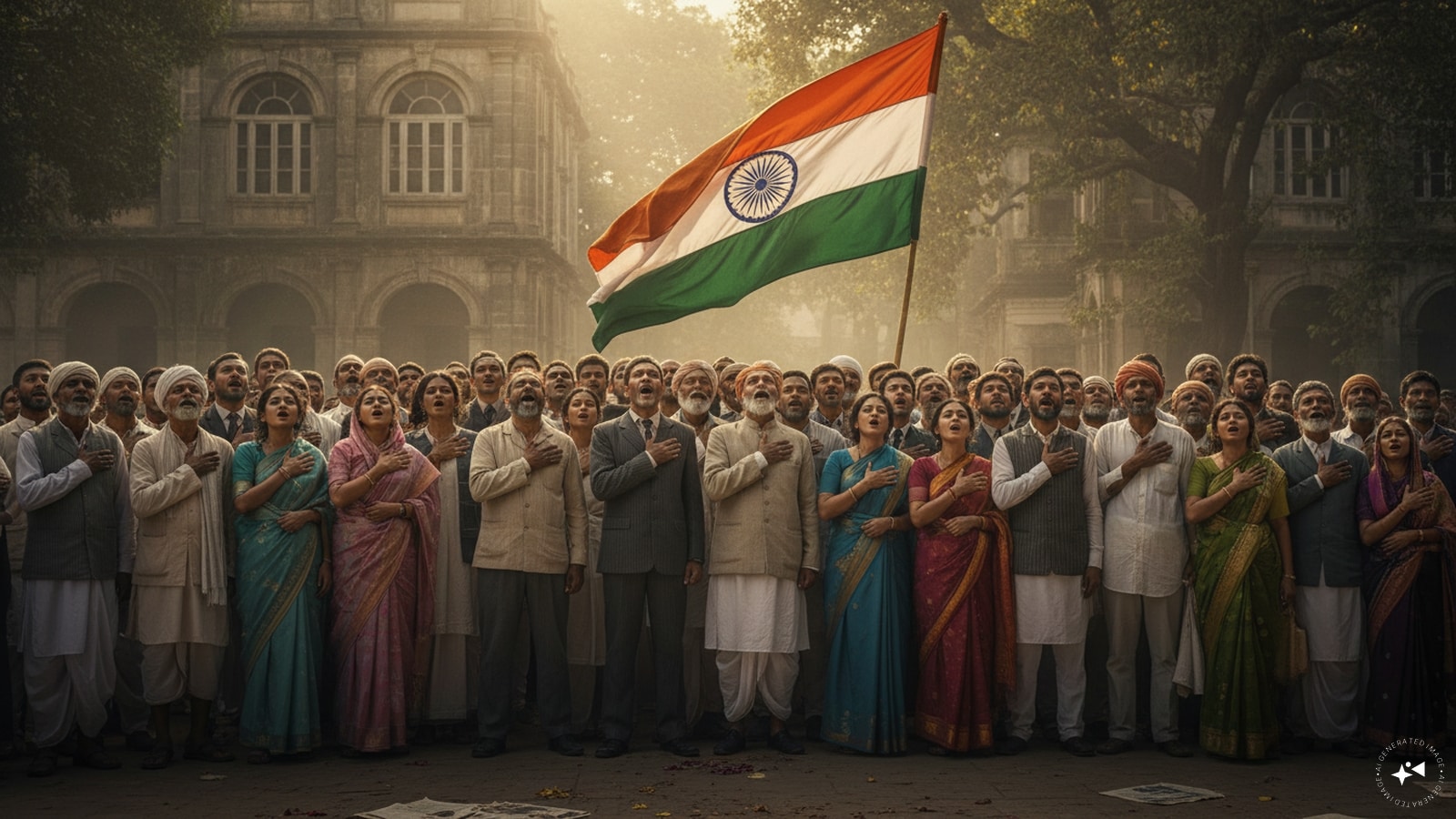
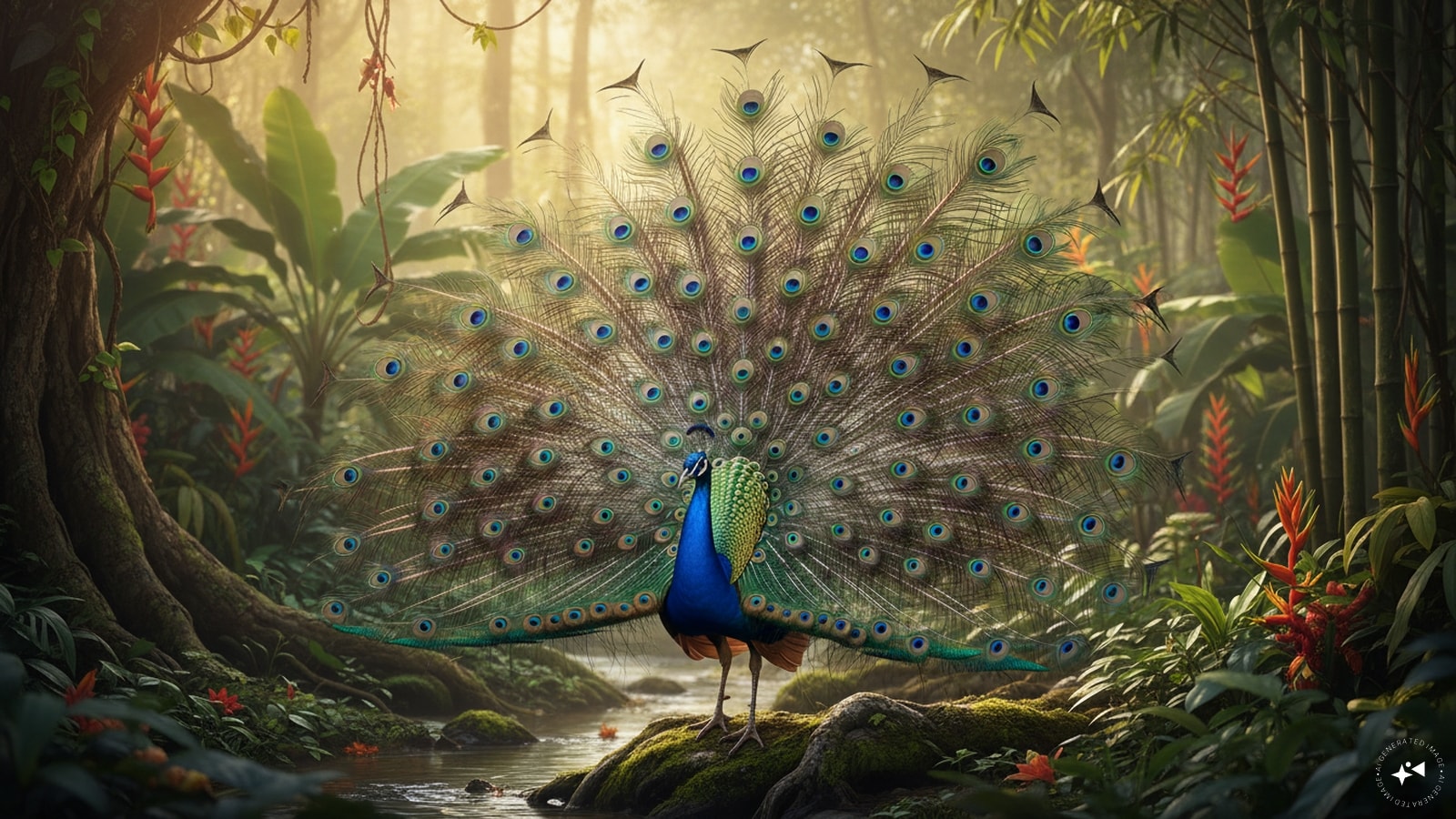
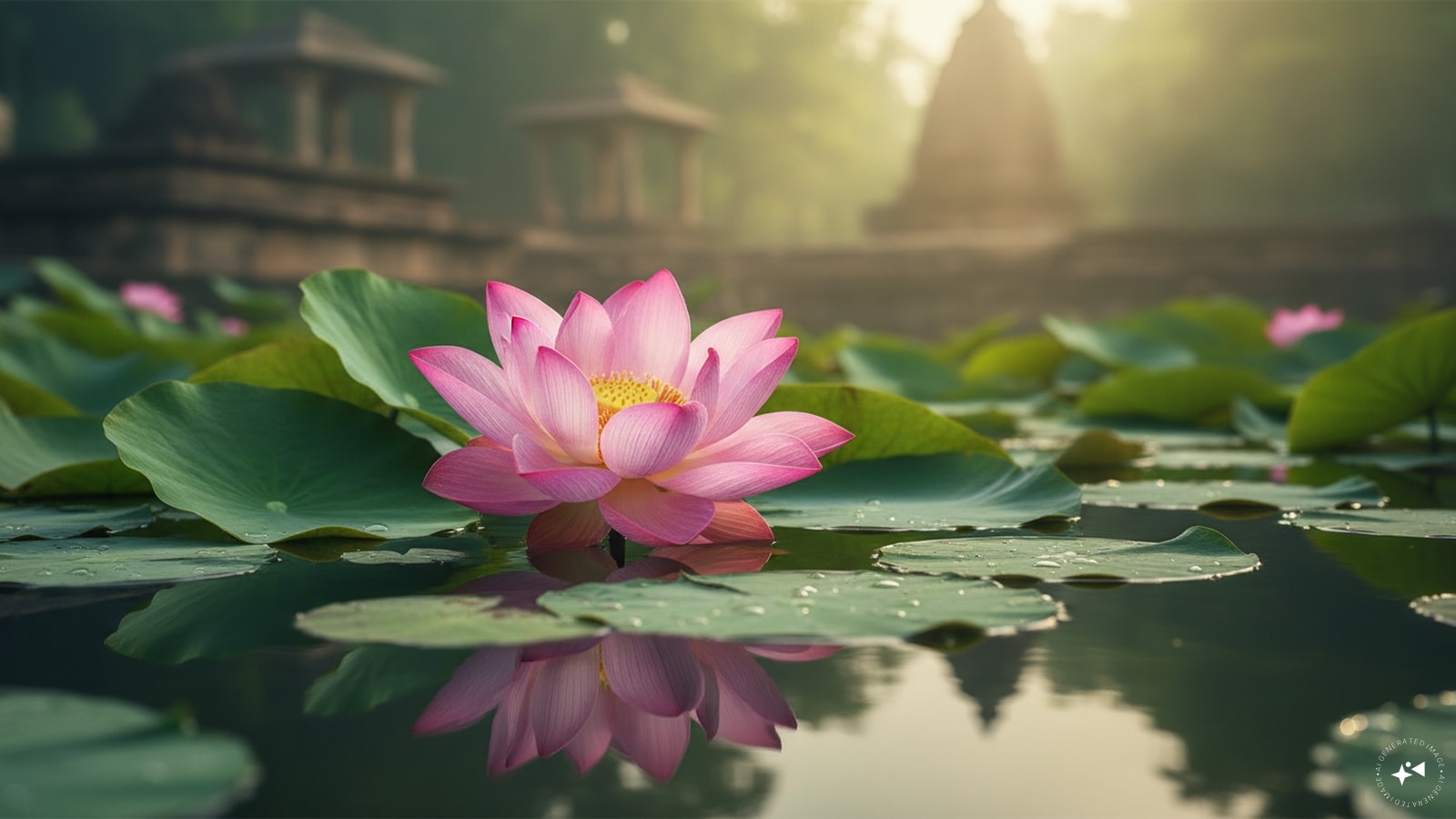
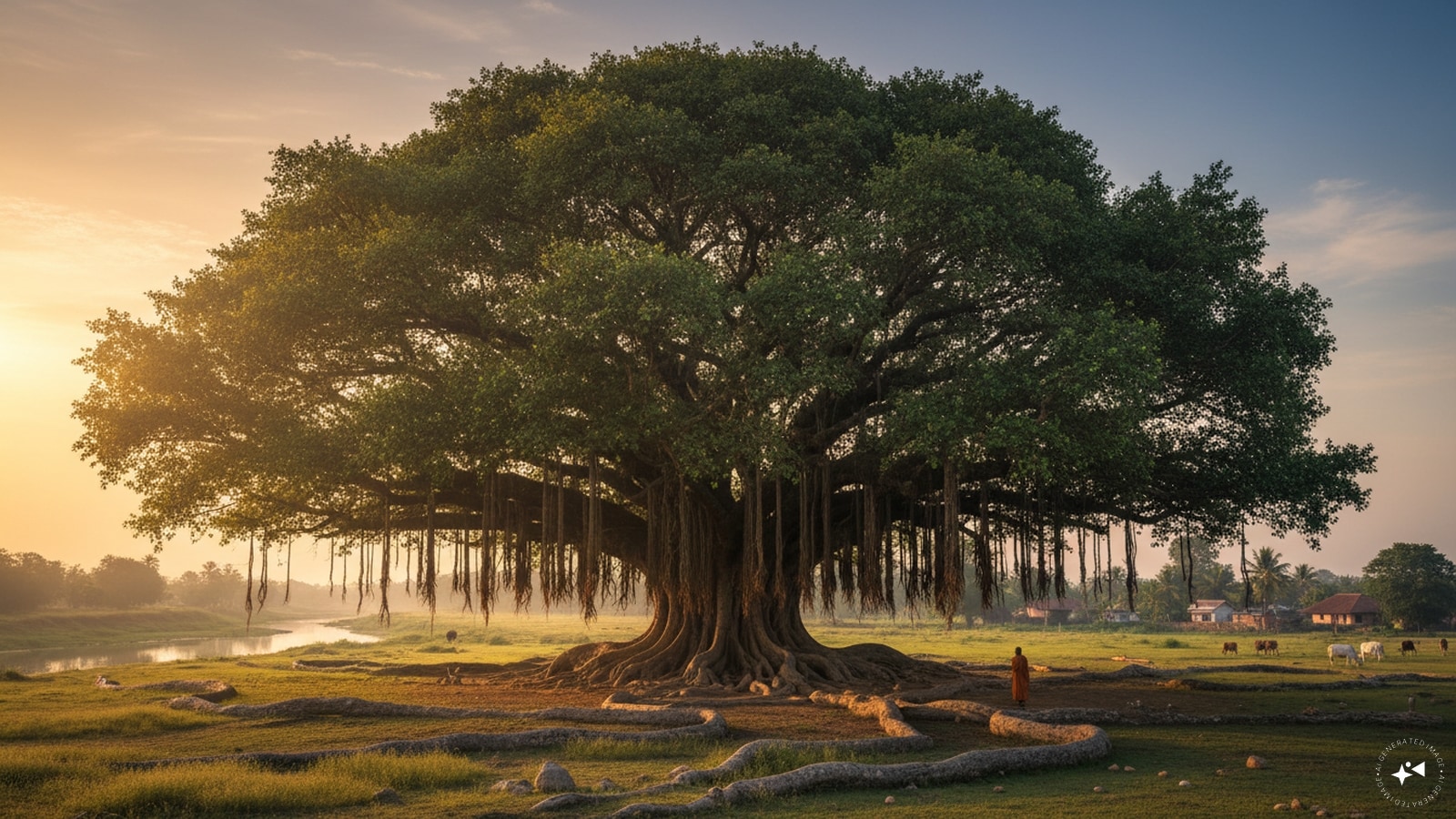
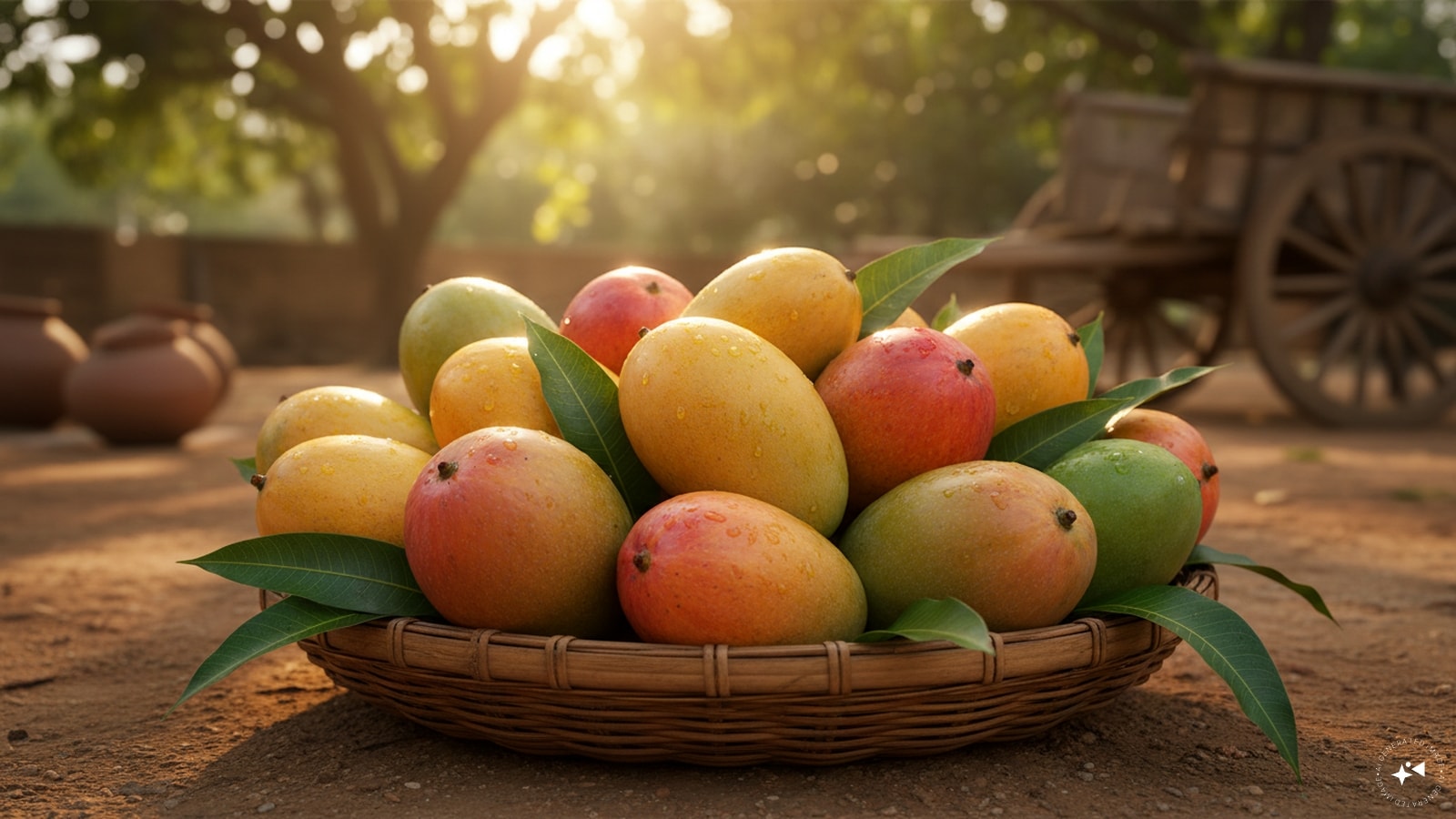
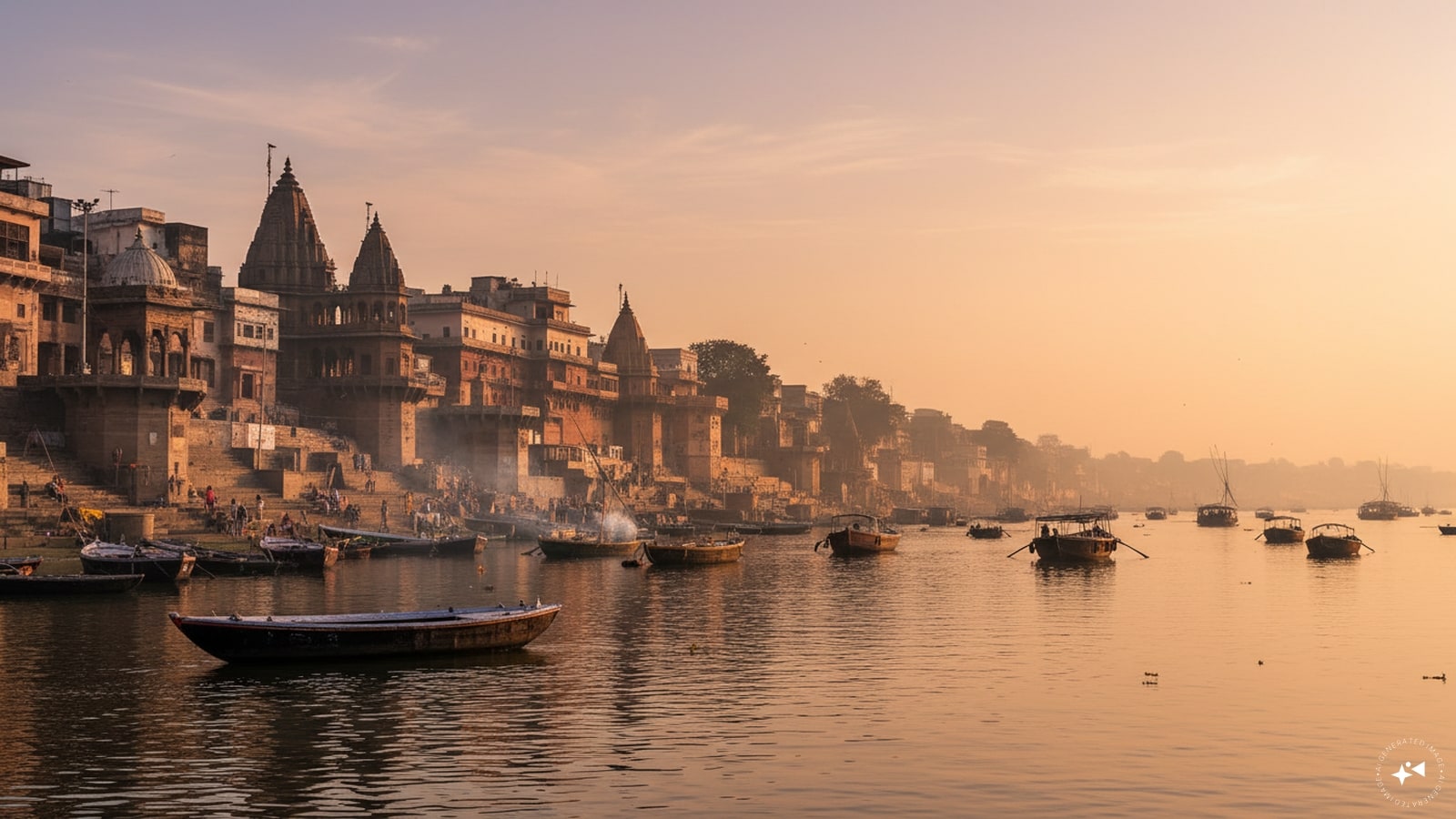
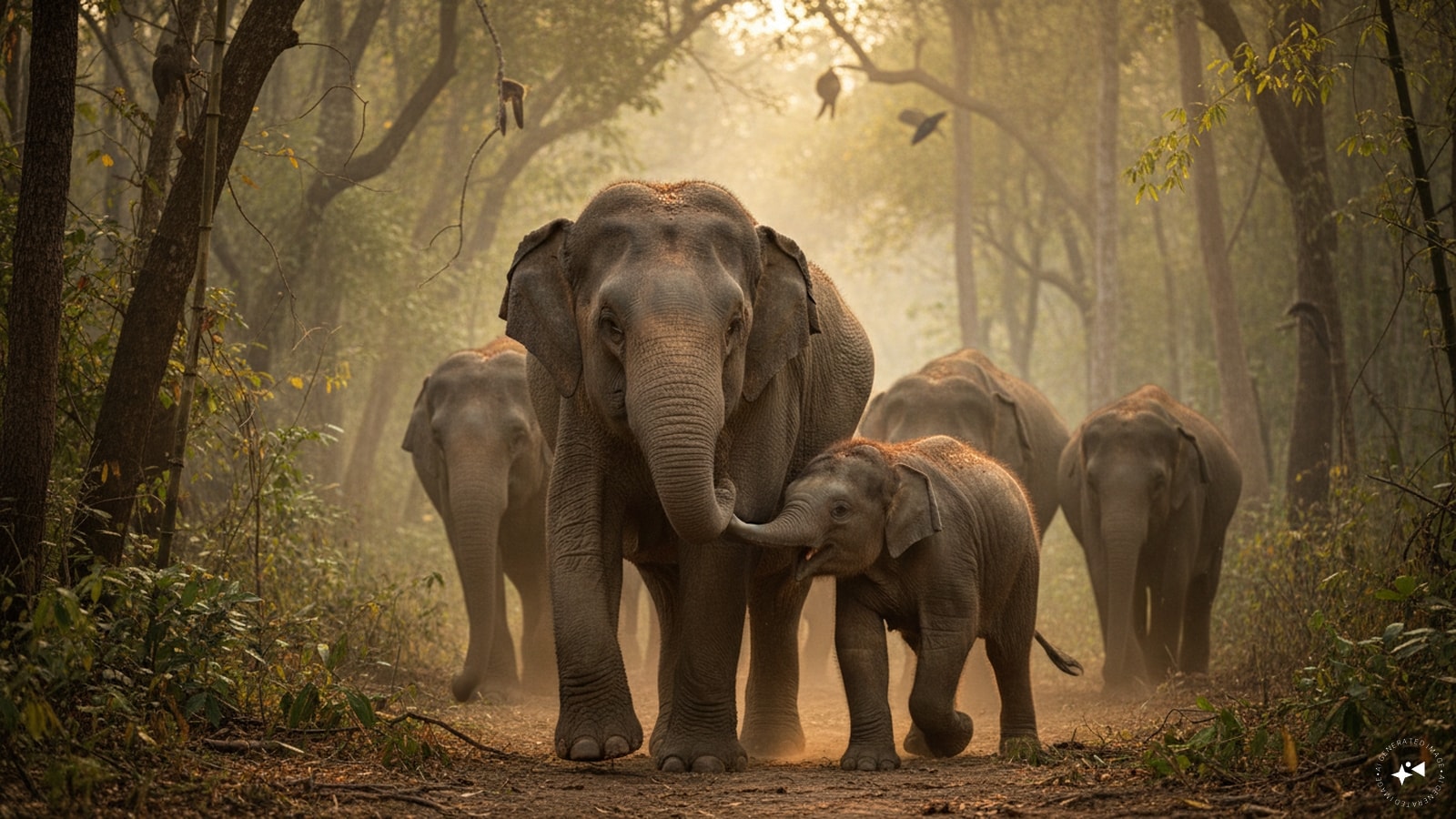
Independence Day 2026: India’s national symbols reflect the country’s freedom struggle, constitutional values, cultural heritage and rich biodiversity.


Original source: https://www.news18.com/
Author

admin@myncblogs.com
Related Posts

Arjun Bijlani Defends Mouni Roy, Claims She Is Being Targeted: ‘Comments About Her Sexuality, Drinking…’
- 0
- 746 words
News movies television Arjun Bijlani Defends Mouni Roy, Claims She Is Being Targeted: ‘Comments About Her Sexuality, Drinking…’Arjun Bijlani Defends Mouni Roy,...
Read out all
Top Fashion Deals Ending Tonight: Here Are Our Top Picks to Grab
- 0
- 1,042 word
News lifestyle fashion Top Fashion Deals Ending Tonight: Here Are Our Top Picks to GrabTop Fashion Deals Ending Tonight: Here Are Our...
Read out all
Amazon Sale Ends Tonight: Grab Skincare and Makeup Kits At Up To 71% Off; Handpicked Deals For You
- 0
- 1,074 word
News lifestyle beauty Amazon Sale Ends Tonight: Grab Skincare and Makeup Kits At Up To 71% Off; Handpicked Deals For YouAmazon Sale...
Read out all
Amazon Great Freedom Sale 2026: Best Sunglasses Deals Under ₹1,200
- 0
- 1,080 word
News lifestyle fashion Amazon Great Freedom Sale 2026: Best Sunglasses Deals Under ₹1,200Amazon Great Freedom Sale 2026: Best Sunglasses Deals Under ₹1,200...
Read out all
TWICE’s Jeongyeon Leaves JYP Entertainment After 11 Years; A Lookback At Her Candid Moments | N18G
- 0
- 139 words
homevideosTWICE's Jeongyeon Leaves JYP Entertainment After 11 Years; A Lookback At Her Candid Moments | N18GTWICE's Jeongyeon Leaves JYP Entertainment After 11...
Read out all
Did Cristiano Ronaldo’s Wedding Bring Together Football’s Biggest Rivals? Here Is The Truth
- 0
- 540 words
News sports football Did Cristiano Ronaldo's Wedding Bring Together Football's Biggest Rivals? Here Is The TruthDid Cristiano Ronaldo's Wedding Bring Together Football's...
Read out all