In
- 0
- 434 words
GK: Do You Know Tractor Tyres Need Water Instead Of Just Air To Roll?
Last Updated:
Ever wondered why tractors have water-filled tyres? Known as tyre ballasting, the practice adds weight, improves traction and helps tractors perform better on slippery fields
1/6
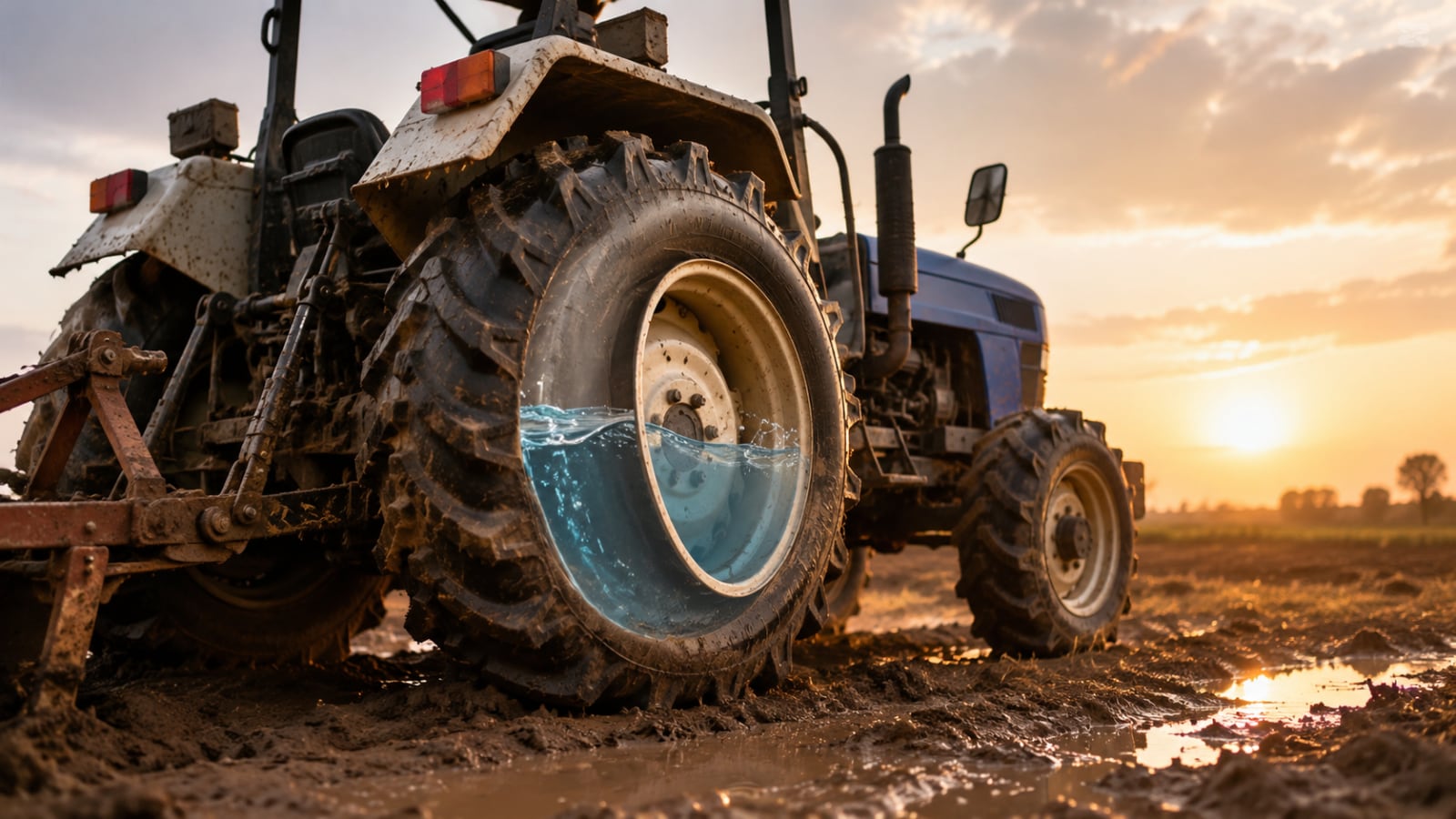
Have you ever noticed water being filled inside tractor tyres? While it may seem unusual, the practice is fairly common in agricultural tractors. Known as tyre ballasting, it involves partially filling the tyres with water to increase the tractor’s weight and improve traction.
2/6
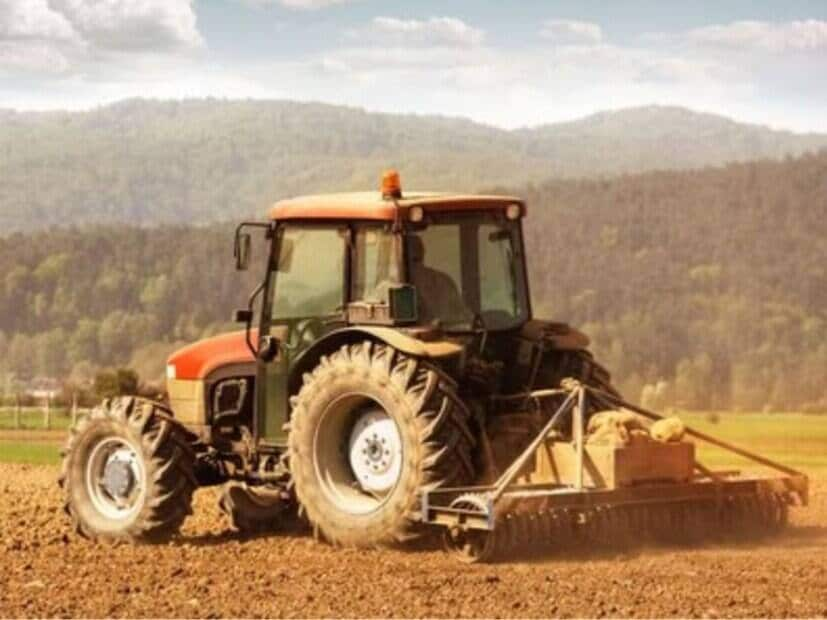
In many cases, around 60-80% of the tyre’s internal volume may be filled with water, depending on the tractor, tyre specifications and operating conditions. The added weight helps the wheels maintain better contact with the ground, particularly during heavy agricultural operations.
ADVERTISEMENT
3/6
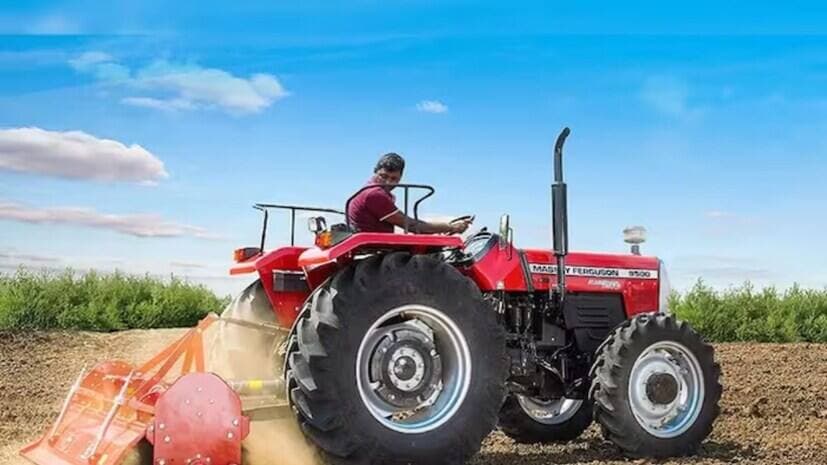
The primary purpose of filling tractor tyres with water is to increase the load on the wheels. A heavier tractor generally gets better grip on the ground, which can be particularly useful when carrying out demanding tasks such as ploughing fields or pulling heavy agricultural equipment. The additional weight can also help reduce wheel slip, allowing the tractor to transfer engine power to the ground more effectively.
4/6
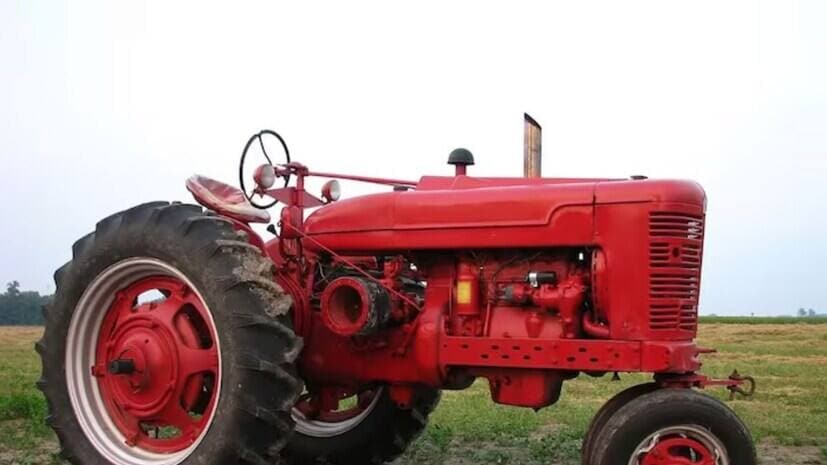
Water ballasting can be used with both tube-type and tubeless tractor tyres, provided the tyre and wheel assembly are designed for the application. Agricultural tractor wheels can have special air-and-water valves. During the filling process, water is introduced into the tyre while air is allowed to escape through the valve. The tyre is not completely filled with water; a portion of air is generally retained.
ADVERTISEMENT
5/6
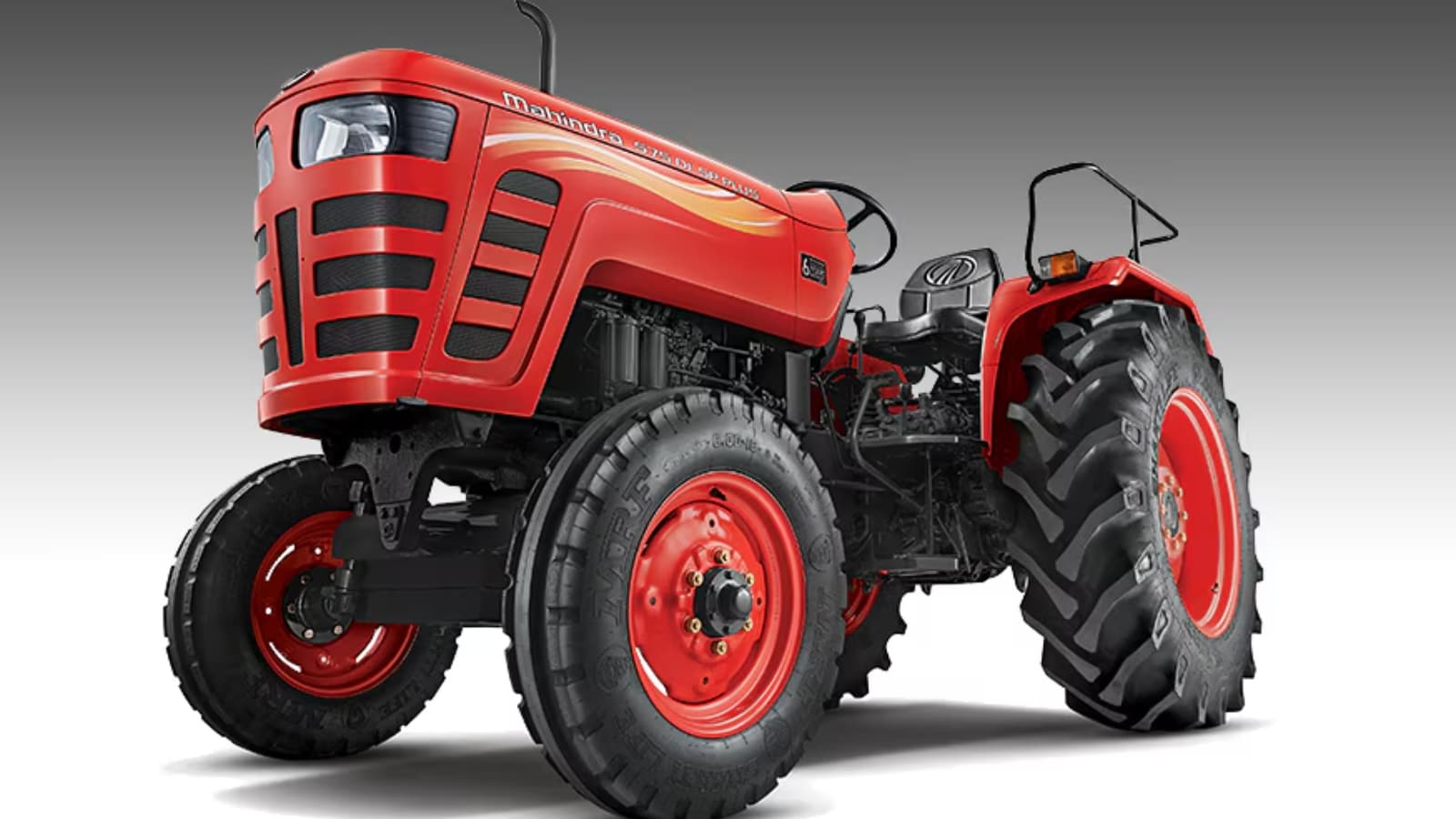
Tractors often operate in fields where the soil can become extremely wet and slippery. Under such conditions, tyres with only air inside may struggle to maintain sufficient grip, causing the wheels to spin without effectively moving the tractor forward.
6/6
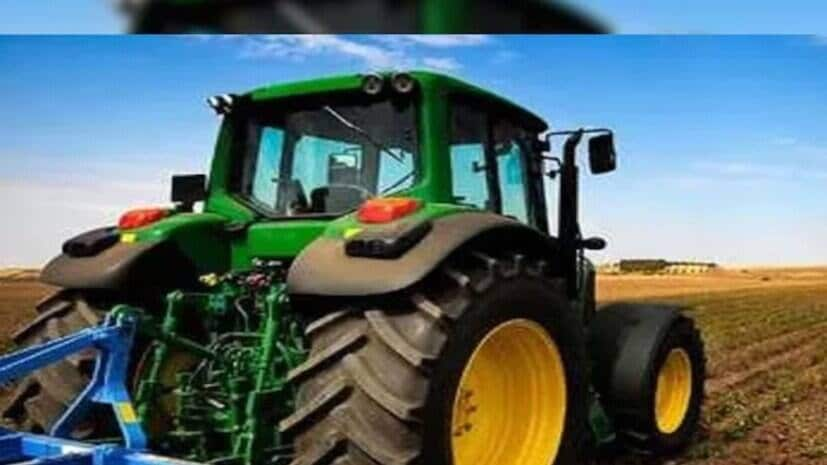
Water ballasting increases the weight pressing the tyres against the ground, which can improve traction and reduce wheel slip. This becomes especially useful during heavy fieldwork where maintaining a firm grip is important. In simple terms, more weight on the driven wheels can increase the available traction, helping the tractor use its power more efficiently. However, the amount of ballast should be appropriate for the tractor and the job, as excessive weight can increase soil compaction and tyre load.
Original source: https://www.news18.com/
Author

admin@myncblogs.com