In
- 0
- 475 words
GK: Why Does Your Brain Forget Why You Walked Into A Room?
Last Updated:
One of the most famous studies on the doorway effect phenomenon was done by Gabriel A. Radvansky, David E. Copeland, and Lynn K. Peterson at the University of Notre Dame
1/7

Has it ever happened to you that you walked into a room to get something, but suddenly forget why you were even there? You try to remember, but the thought seems to have vanished. It can sometimes feel strange, frustrating, and even make you think that you are facing memory loss. (Image: Pexels)
2/7

The good news is that’s often not the case. Forgetting something while walking through a door to another room is usually not a sign that your memory is failing or that you have dementia, but is a psychological phenomenon called the doorway effect, or location updating effect. (Image: Pexels)
ADVERTISEMENT
3/7
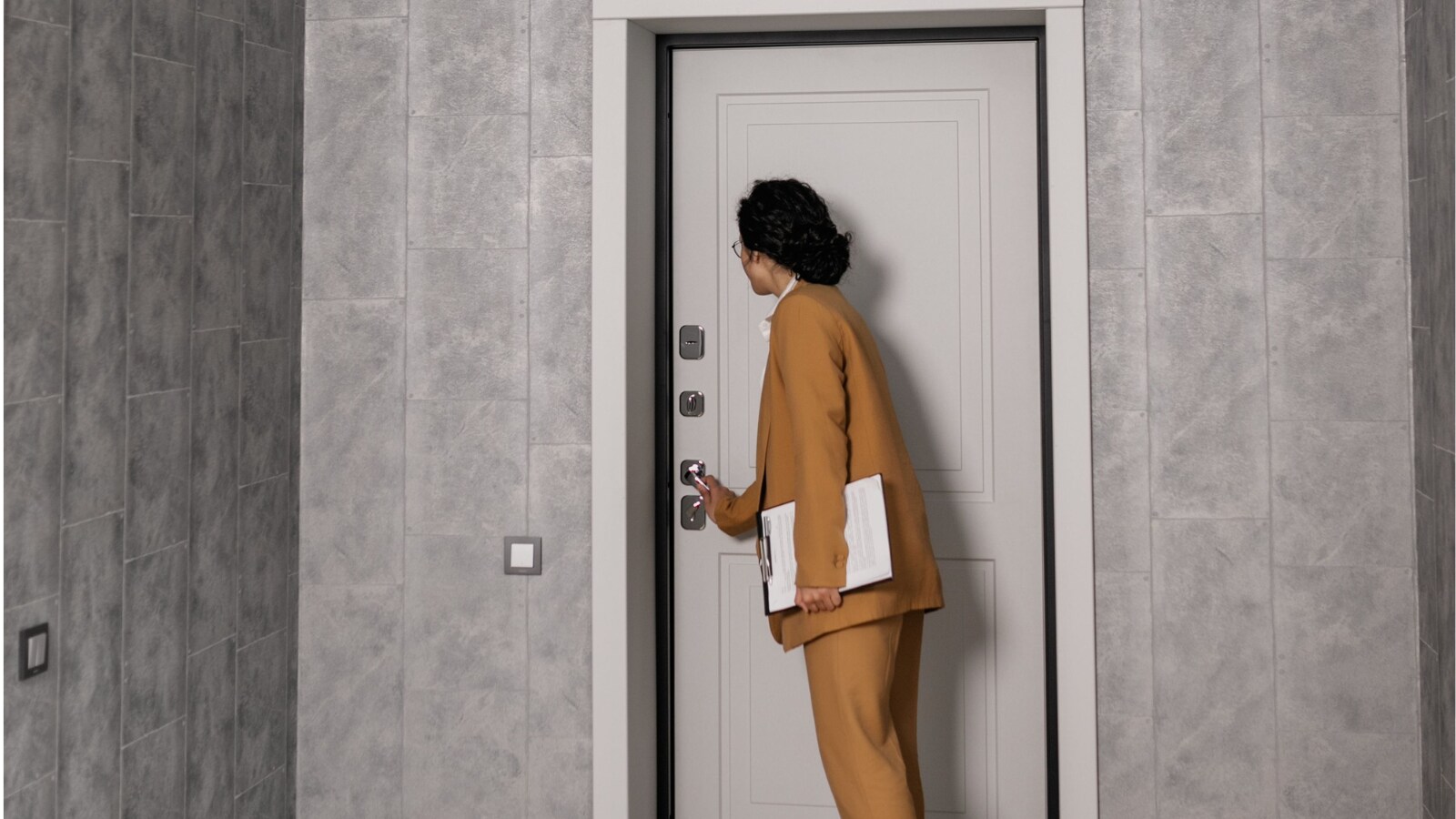
The idea behind the phenomenon is that the brain treats moving from one place to another as a change in context. When a person crosses a doorway, the brain may update the mental picture of where they were and what they were doing. The brain does not store every moment like a video recording. Instead, it divides experiences into separate events or chapters. (Image: Pexels)
4/7

Walking into another room can signal that one event has ended and another has started. During this mental switch, an intention that one was holding can temporarily become harder to remember. The forgotten thought is usually part of working memory, which helps one to hold information for a short time. (Image: Pexels)
ADVERTISEMENT
5/7

One of the most famous studies on the phenomenon was done by Gabriel A. Radvansky, David E. Copeland, and Lynn K. Peterson at the University of Notre Dame, where they found that people are more likely to forget what they were doing after passing through a doorway than when walking the same distance without changing rooms. (Image: Pexels)
6/7

There is also a simple reason why the thought sometimes returns when one walks back. Memory is strongly connected to context. Returning to the original room or place can bring back the sights, sounds and surroundings linked to the thought, thus helping the brain to retrieve the information that was briefly lost. (Image: Pexels)
ADVERTISEMENT
7/7
Wondering how to deal with the doorway effect? Avoid stress, poor sleep, and constant multitasking. To reduce forgetfulness, pause before leaving a room and clearly remind yourself what you needed to do. Also, one can use notes or reminders when necessary. (Image: Pexels)
Original source: https://www.news18.com/
Author

admin@myncblogs.com