In
- 0
- 504 words
News Photogallery viral Meet India’s ‘Crocodile River’ Where 400+ Crocodiles Thrive In The Heart Of A City
Meet India’s ‘Crocodile River’ Where 400+ Crocodiles Thrive In The Heart Of A City
Last Updated:
This river in Vadodara is home to hundreds of mugger crocodiles despite flowing through the heart of a densely populated city
1/8
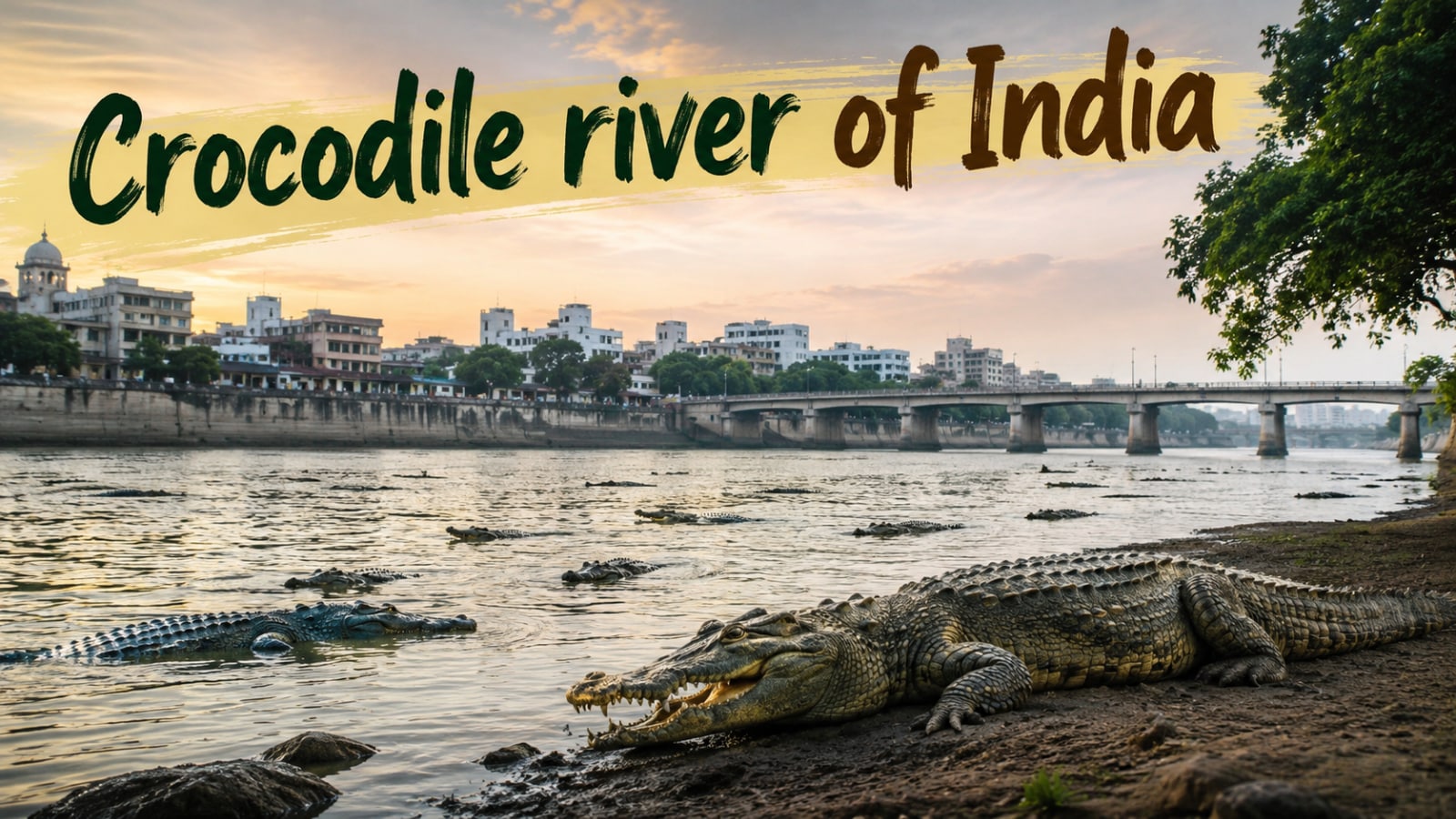
Imagine a river flowing through the heart of a bustling city, and hundreds of crocodiles living in it. This is the unusual reality of Vadodara’s Vishwamitri River, which has earned the nickname ‘Crocodile River of India’. Home to hundreds of mugger crocodiles, the river becomes even more challenging during the monsoon, when rising waters can bring the reptiles closer to roads and residential areas. (Image-AI)
2/8
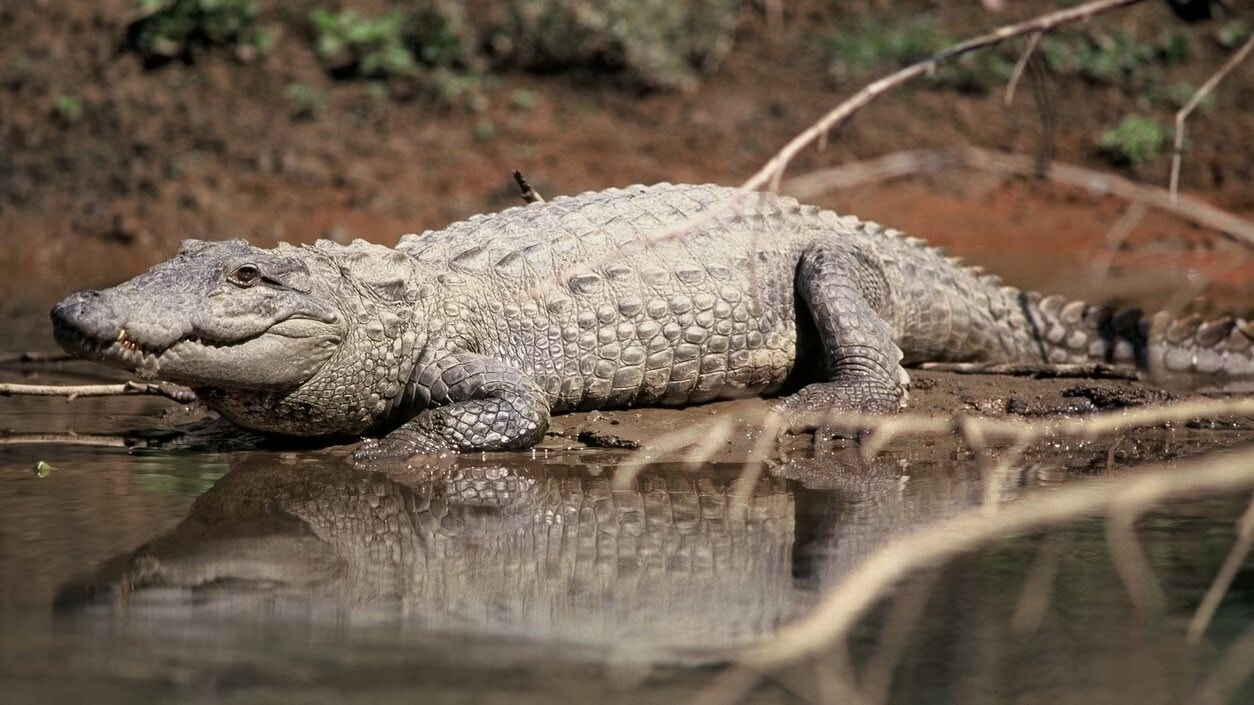
Originating in the Pavagadh hills of eastern Gujarat, the Vishwamitri is a seasonal river that stretches for around 200 kilometres. It flows through Vadodara before eventually draining into the Gulf of Khambhat. The Surya, Jambuva and Bhuki rivers are among its major tributaries.
ADVERTISEMENT
3/8
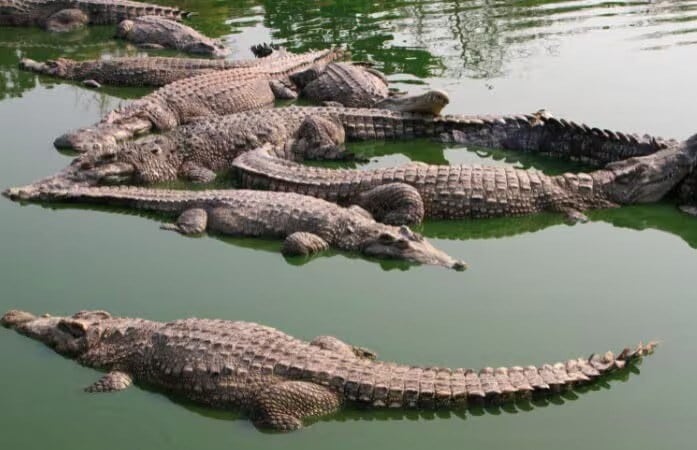
According to a 2025 survey by the Gujarat Ecological Education and Research (GEER) Foundation, 442 mugger crocodiles were recorded along a 21-kilometre stretch of the river within Vadodara city. The crocodile population is particularly concentrated in some stretches. As many as 44 crocodiles have been recorded within a 1.4-kilometre stretch between Kala Ghoda and Akota Bridge.
4/8
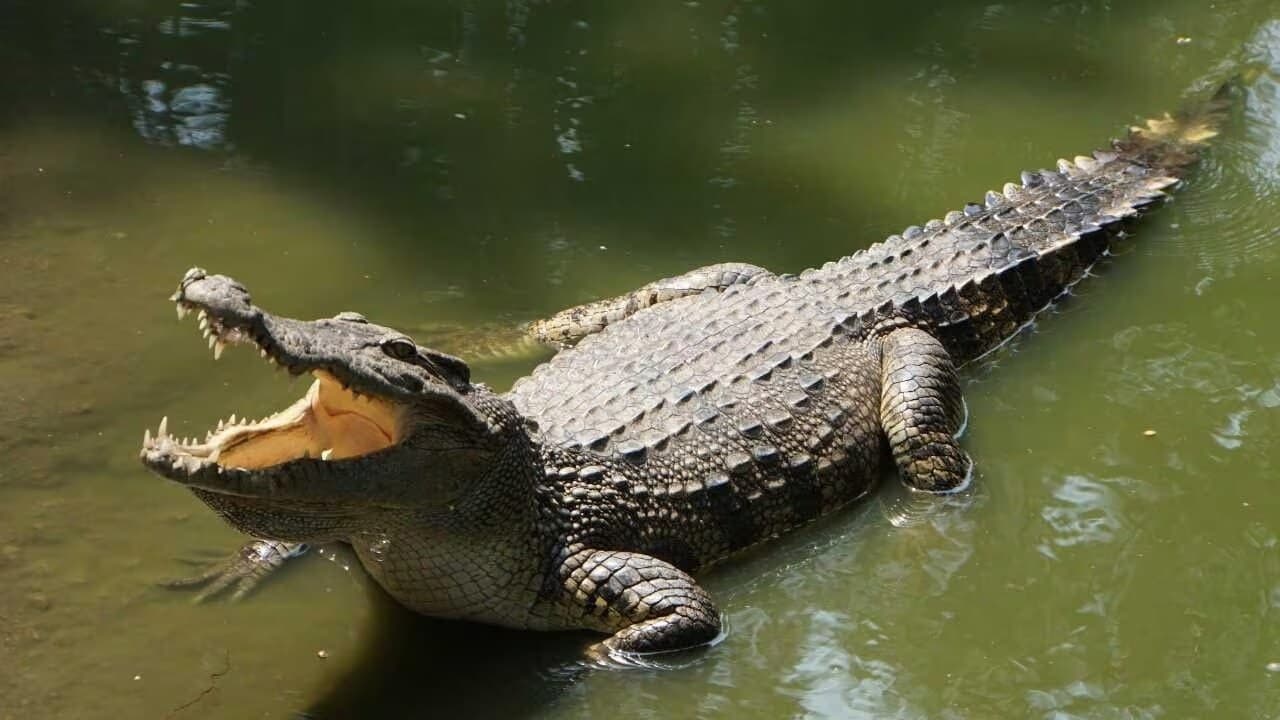
During the monsoon, flooding can cause crocodiles to venture into neighbourhoods, roads and areas outside homes. While such encounters can be alarming for residents, the reptiles have adapted to the river’s urban surroundings.
ADVERTISEMENT
5/8
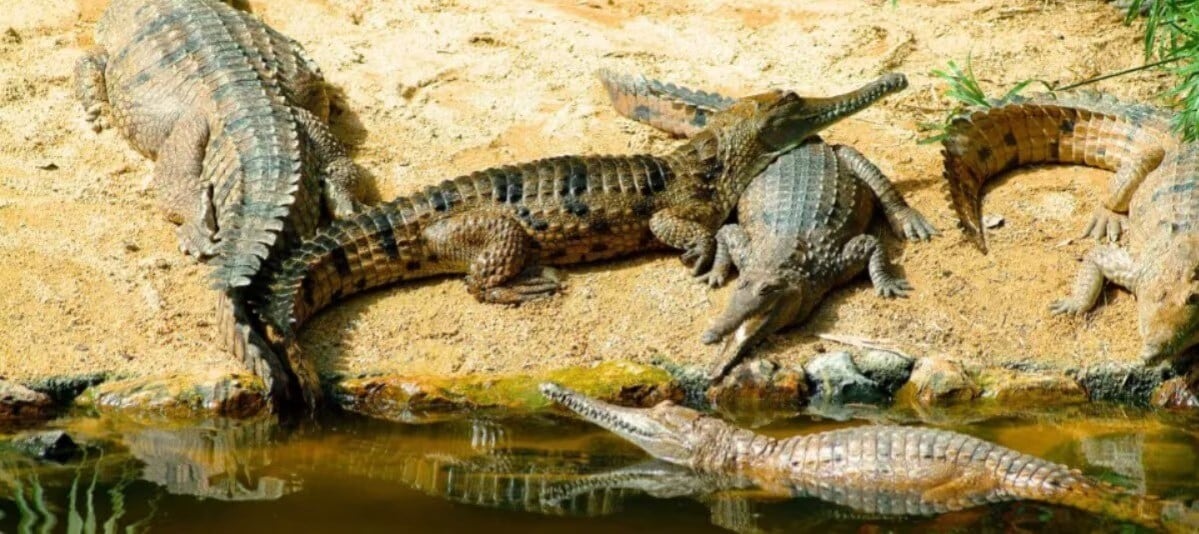
The river provides the crocodiles with fish, while stray dogs and pigs found along its banks can also become prey. At the same time, pollution from sewage has made the river unsuitable for activities such as bathing and washing clothes, reducing direct human interference in the crocodiles’ habitat. The Vishwamitri is not only home to crocodiles. Its ecosystem also supports porcupines, monitor lizards, turtles and several species of birds, making it an important urban wildlife habitat.
6/8
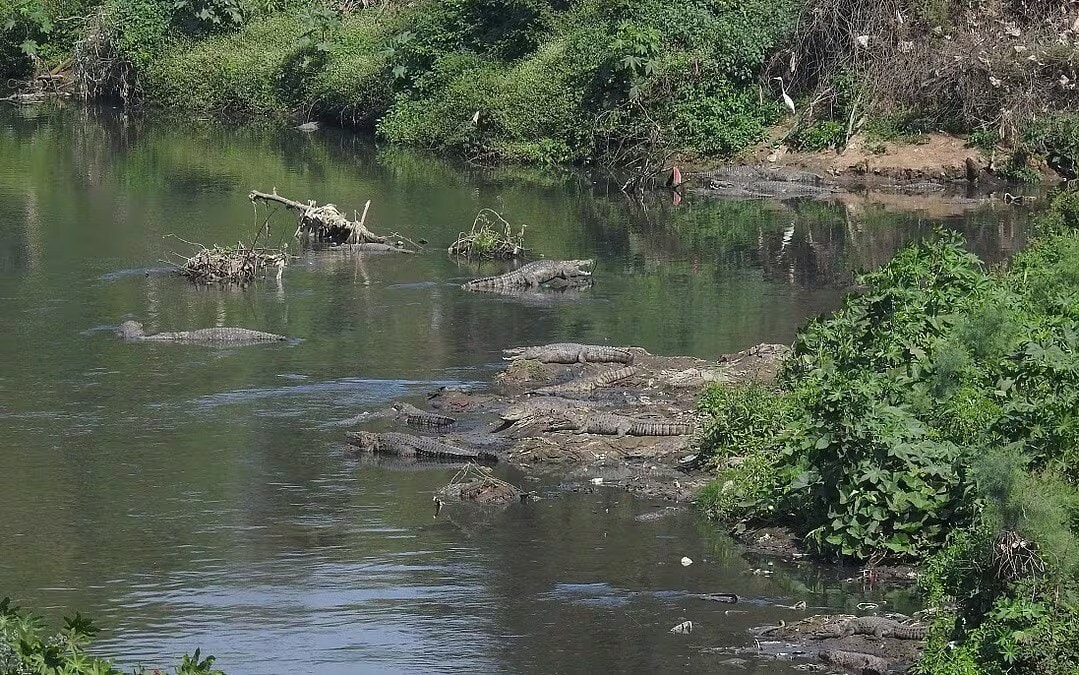
The river also has a long association with human civilisation. Archaeological evidence suggests that settlements existed along its banks as early as around 1000 BC. According to local tradition, sage Vishwamitra is believed to have meditated on the river’s banks and attained the status of a Brahmarishi after reciting the Gayatri Mantra.
ADVERTISEMENT
7/8
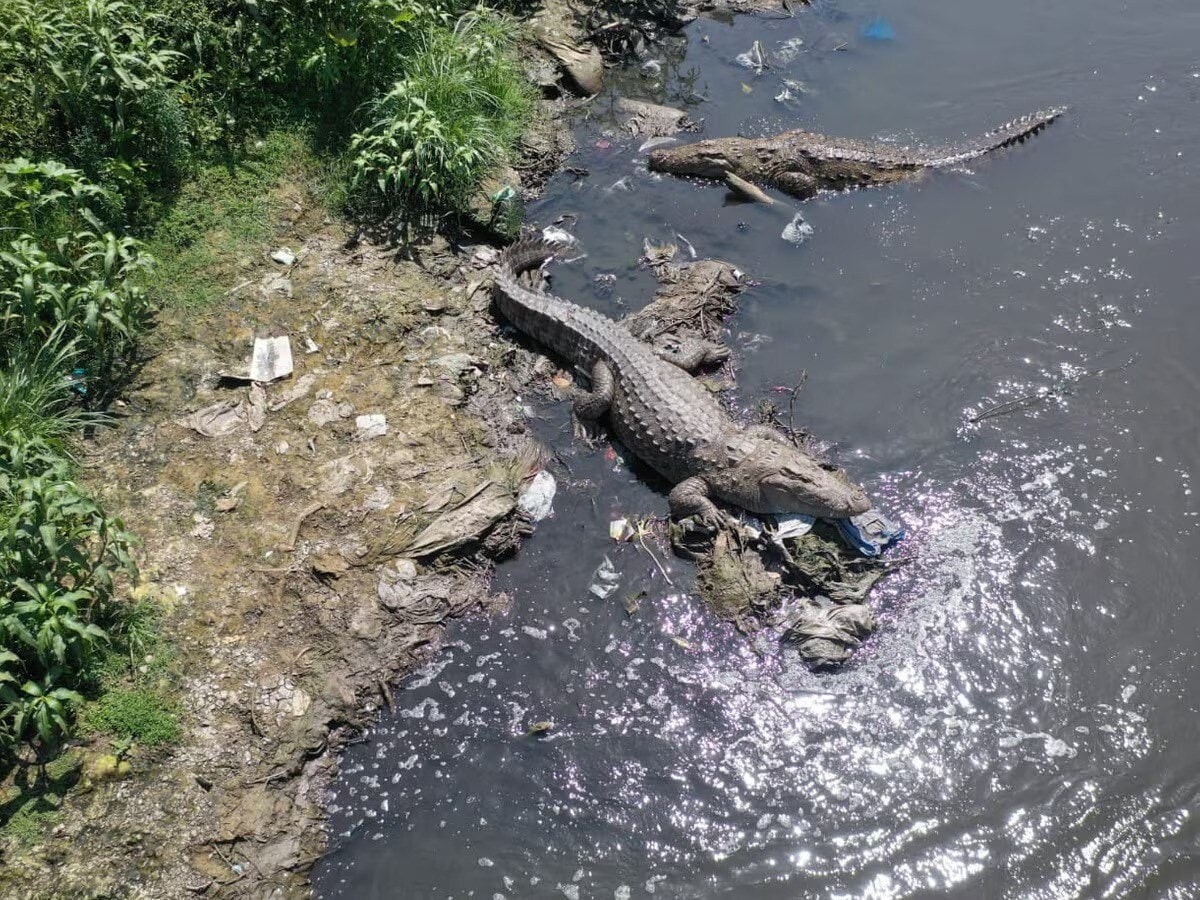
However, the river faces growing environmental pressure from urban waste, encroachments and industrial pollution. Efforts are now underway to restore its ecosystem through initiatives such as the Vishwamitri Riverfront Development Project and the Vaho Vishwamitri Abhiyan.
8/8
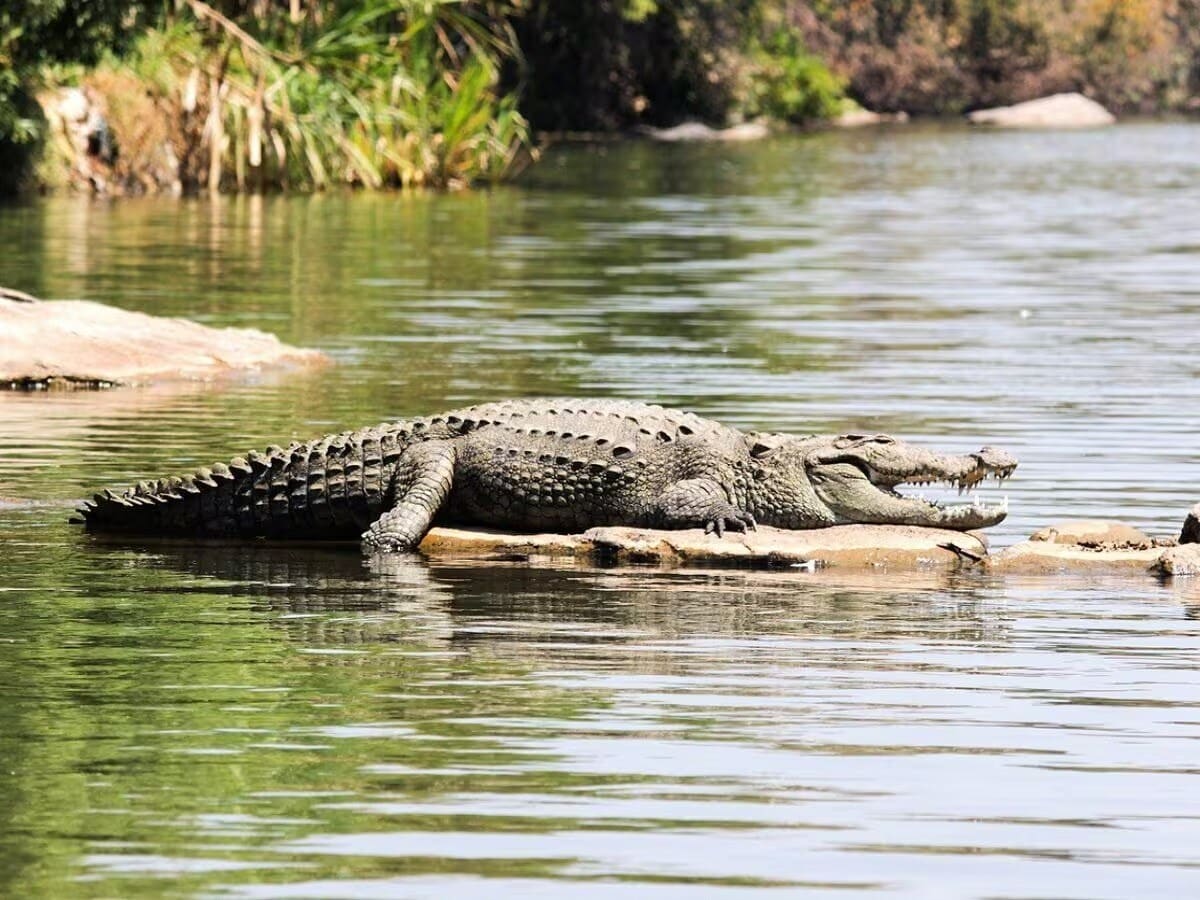
These restoration efforts include cleaning the river and planting trees, with newer technologies such as drones also being used to support conservation work. The challenge is to restore the river while protecting the unusual ecosystem that has allowed hundreds of crocodiles to survive in the middle of a bustling city.
Original source: https://www.news18.com/
Author

admin@myncblogs.com