In
- 0
- 475 words
News Photogallery lifestyle events Onam 2026: Marigold To Jasmine, 10 Flowers Used In Traditional Pookalam
Onam 2026: Marigold To Jasmine, 10 Flowers Used In Traditional Pookalam
Last Updated:
Onam 2026 will be celebrated from August 16 to August 26, with Thiruvonam falling on August 26.
1/11
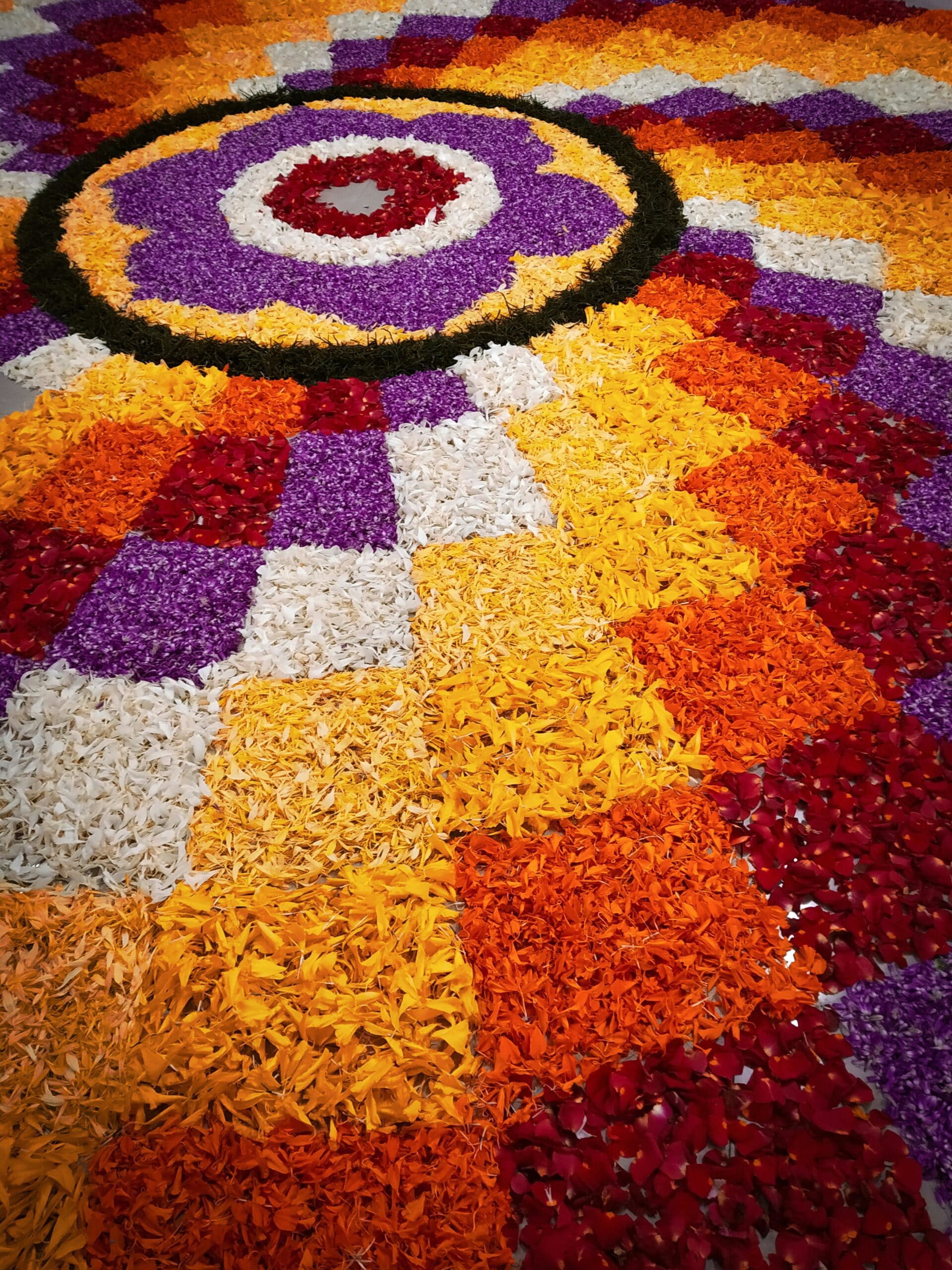
One of the most beautiful traditions associated with Onam is the making of pookalam, the colourful floral designs created at the entrance of homes. Traditionally made over several days leading up to Thiruvonam, these flower carpets are a symbol of celebration and are also associated with welcoming King Mahabali. Different flowers are chosen for their colours, availability and beauty. (Image: Unsplash)
2/11
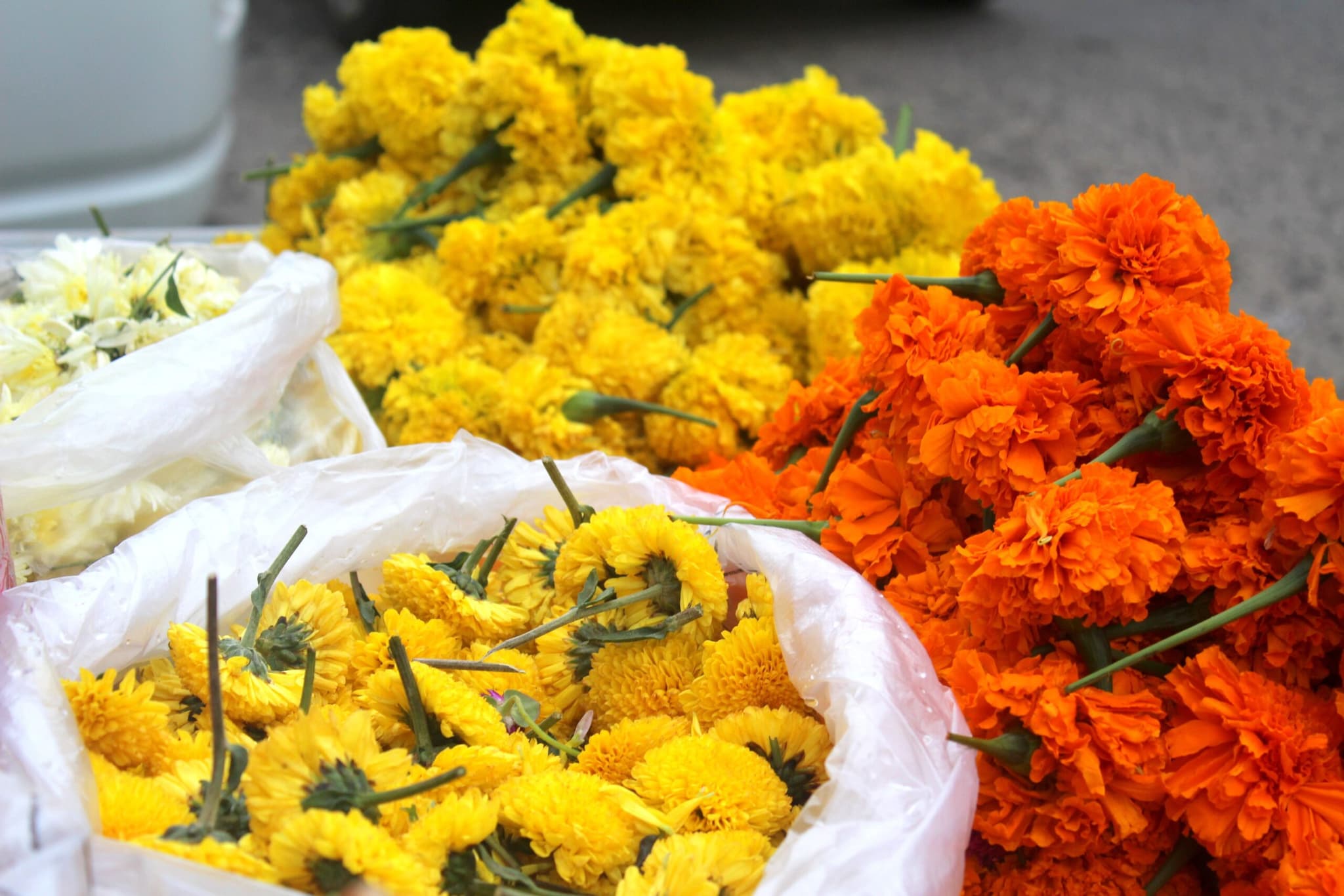
Marigold: Bright yellow and orange marigolds are among the most popular choices for pookalam. Their vibrant colours are associated with happiness, prosperity and celebration, while their sturdy petals also make them practical for floral designs. (Image: Pexels)
ADVERTISEMENT
3/11
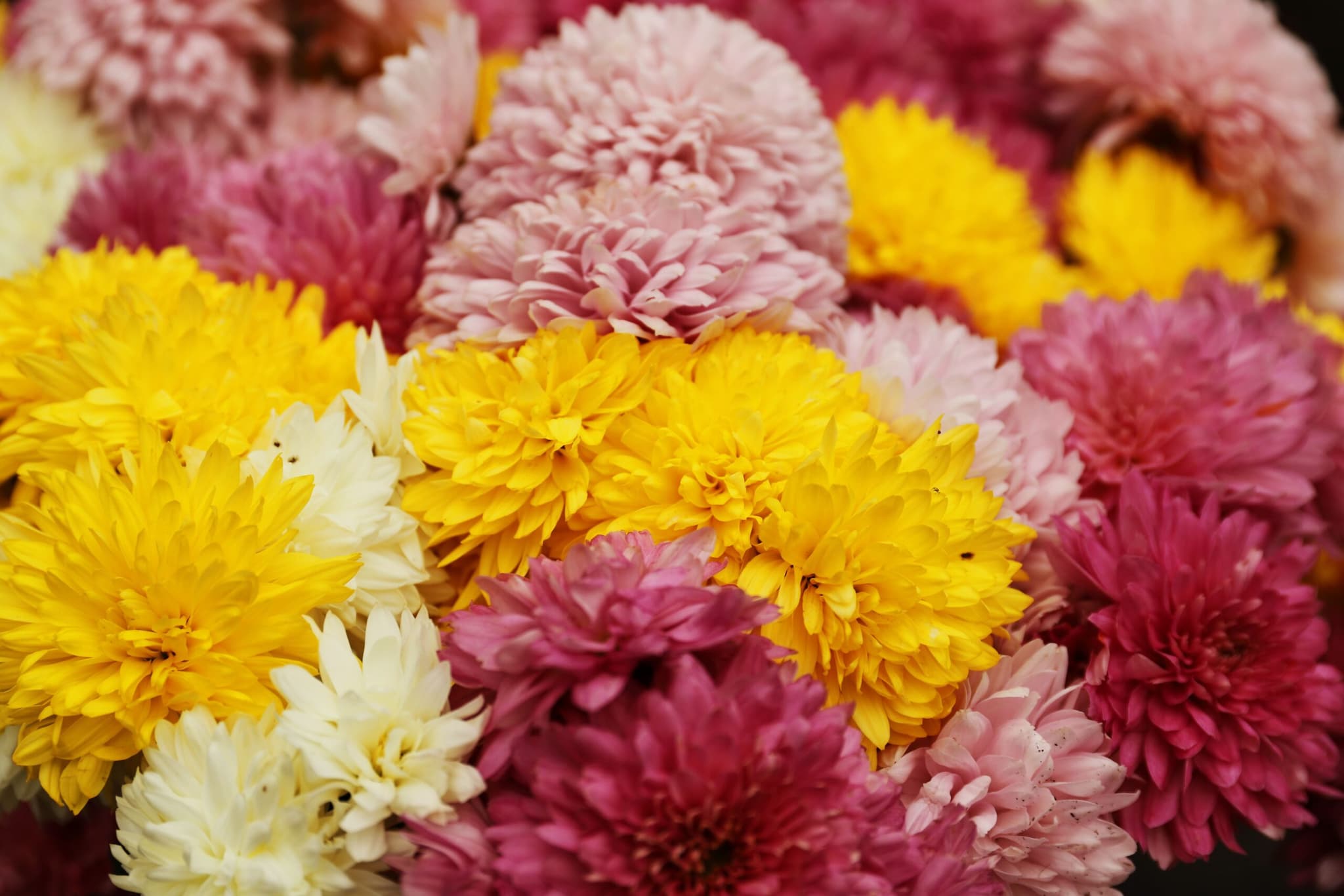
Chrysanthemum: Available in several colours, chrysanthemums help add variety and texture to a pookalam. They are often associated with joy, optimism and longevity. (Image: Pexels)
4/11
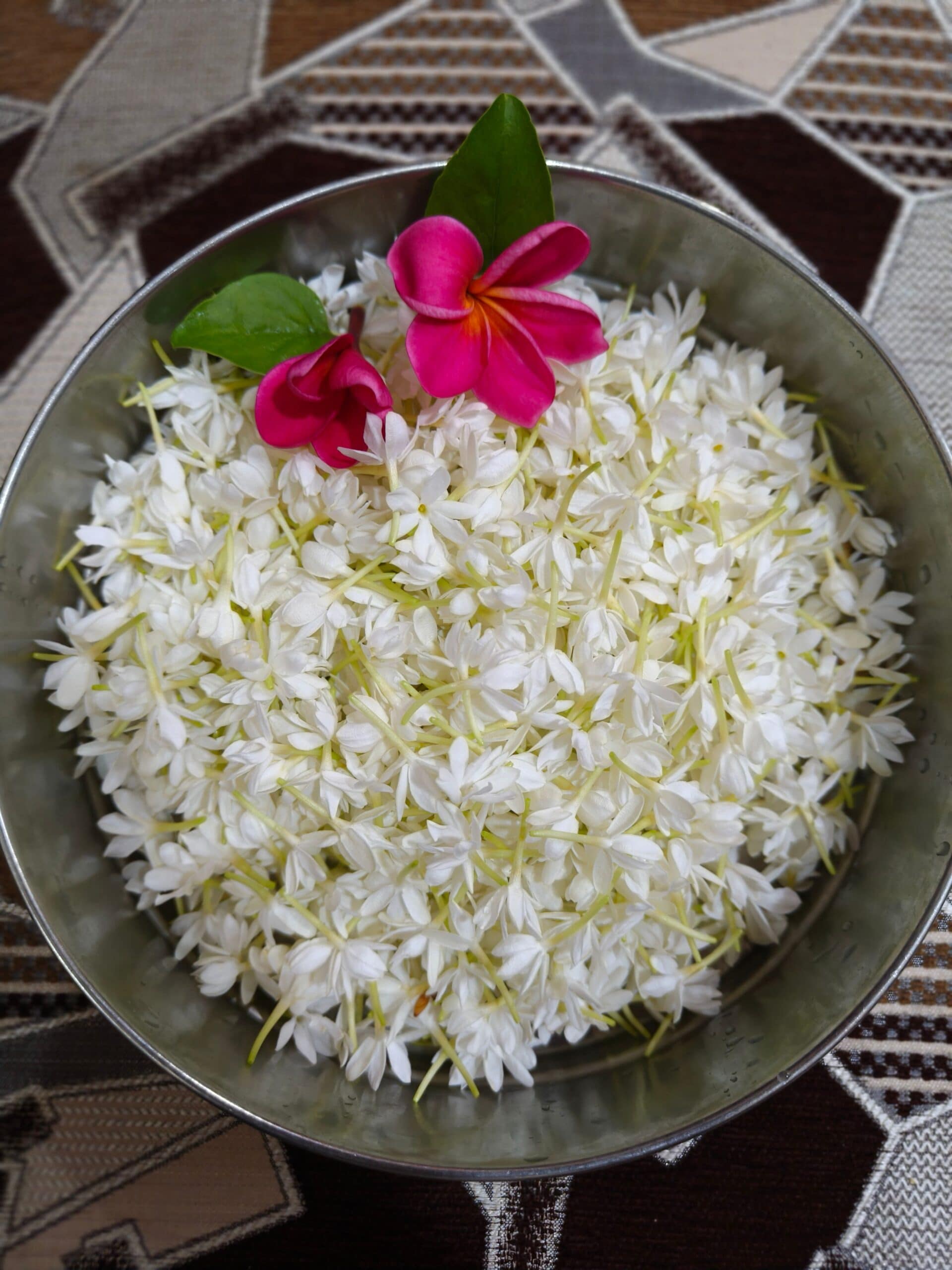
Jasmine: Known for its delicate white flowers and pleasant fragrance, jasmine can add a beautiful contrast to colourful pookalam designs. It is traditionally associated with purity and auspiciousness. (Image: Pexels)
ADVERTISEMENT
5/11
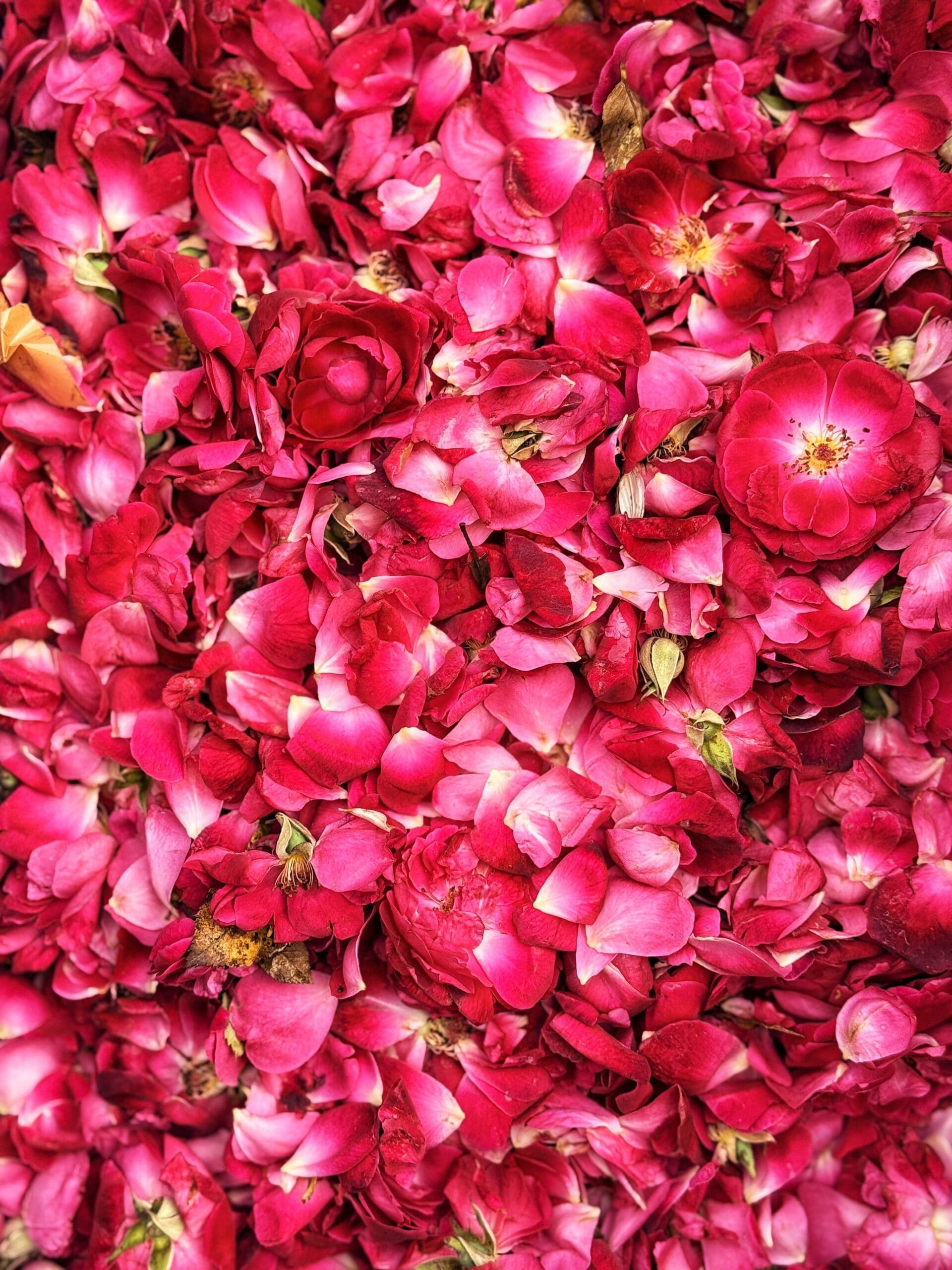
Rose: Roses can add red, pink, yellow and other shades to a floral carpet. They are commonly associated with love, beauty and affection, making them a popular decorative flower. (Image: Pexels)
6/11
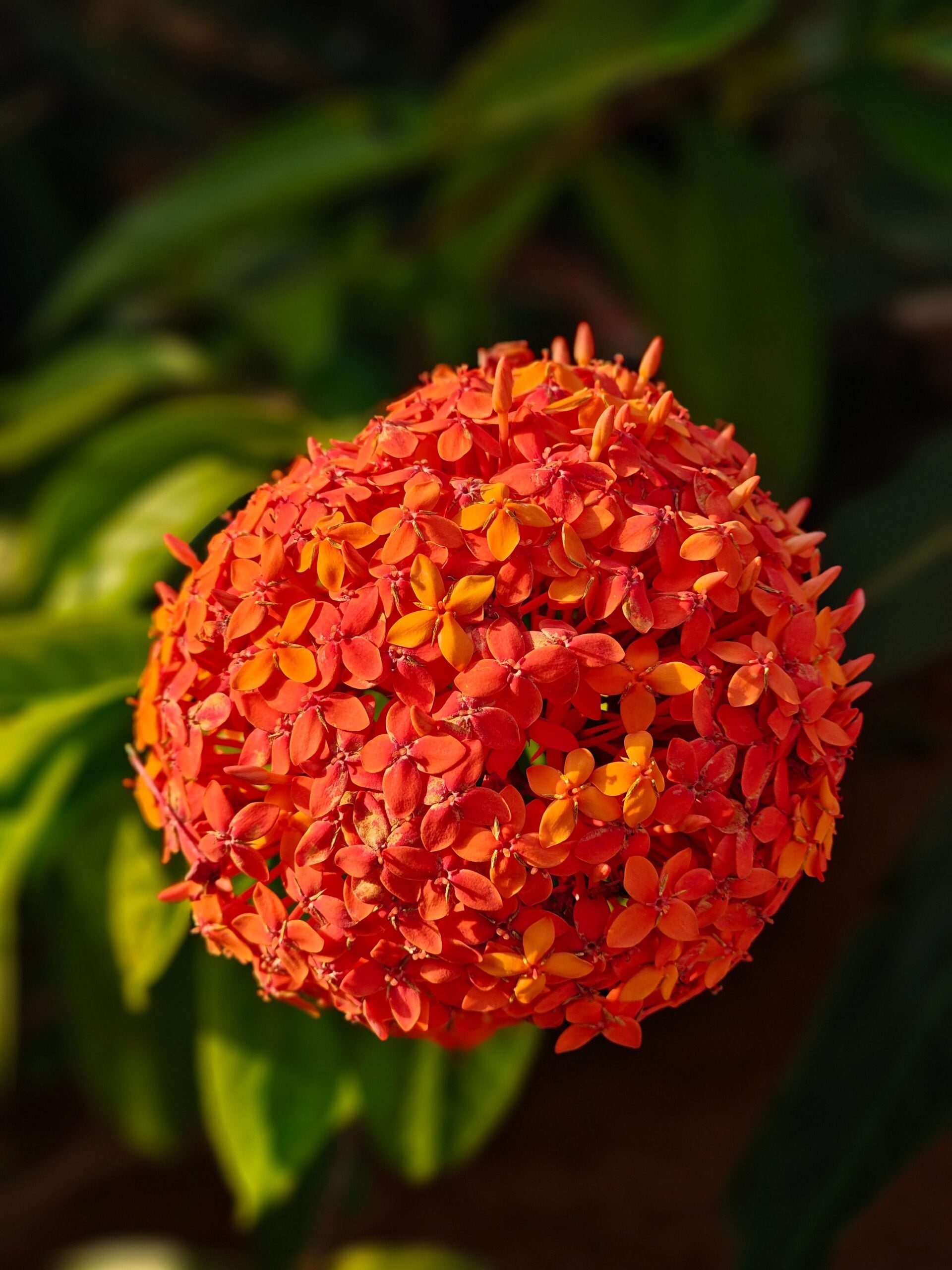
Ixora: Known as chethi in Malayalam, ixora is a familiar flower in Kerala and comes in bright clusters, particularly red and orange. It is often used to add strong colours and detail to traditional floral designs. (Image: Pexels)
ADVERTISEMENT
7/11
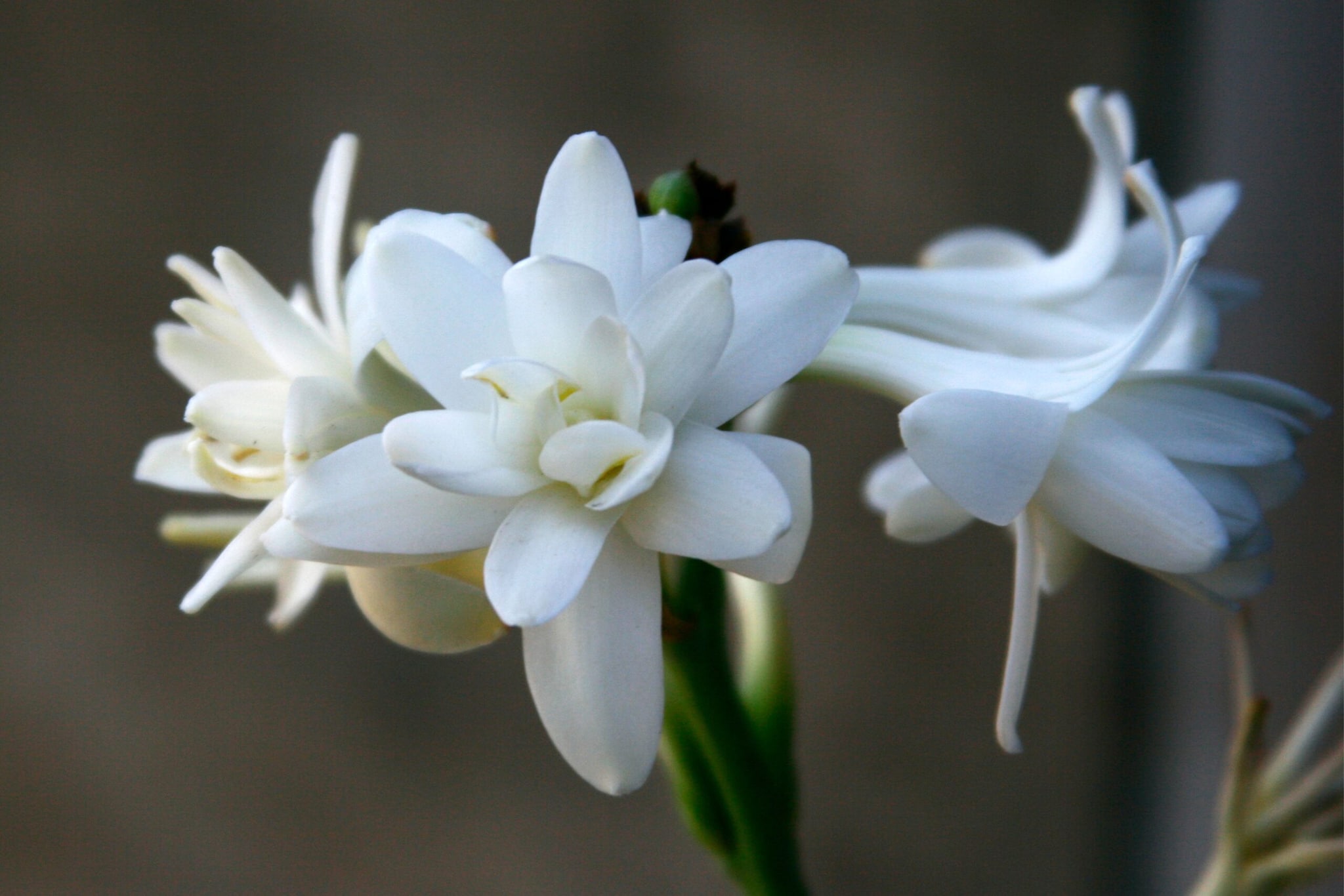
Tuberose: The white, fragrant flowers of tuberose can be used to add lighter shades to a pookalam. The flower is commonly associated with purity and beauty and is also popular in traditional Indian celebrations. (Image: Pexels)
8/11
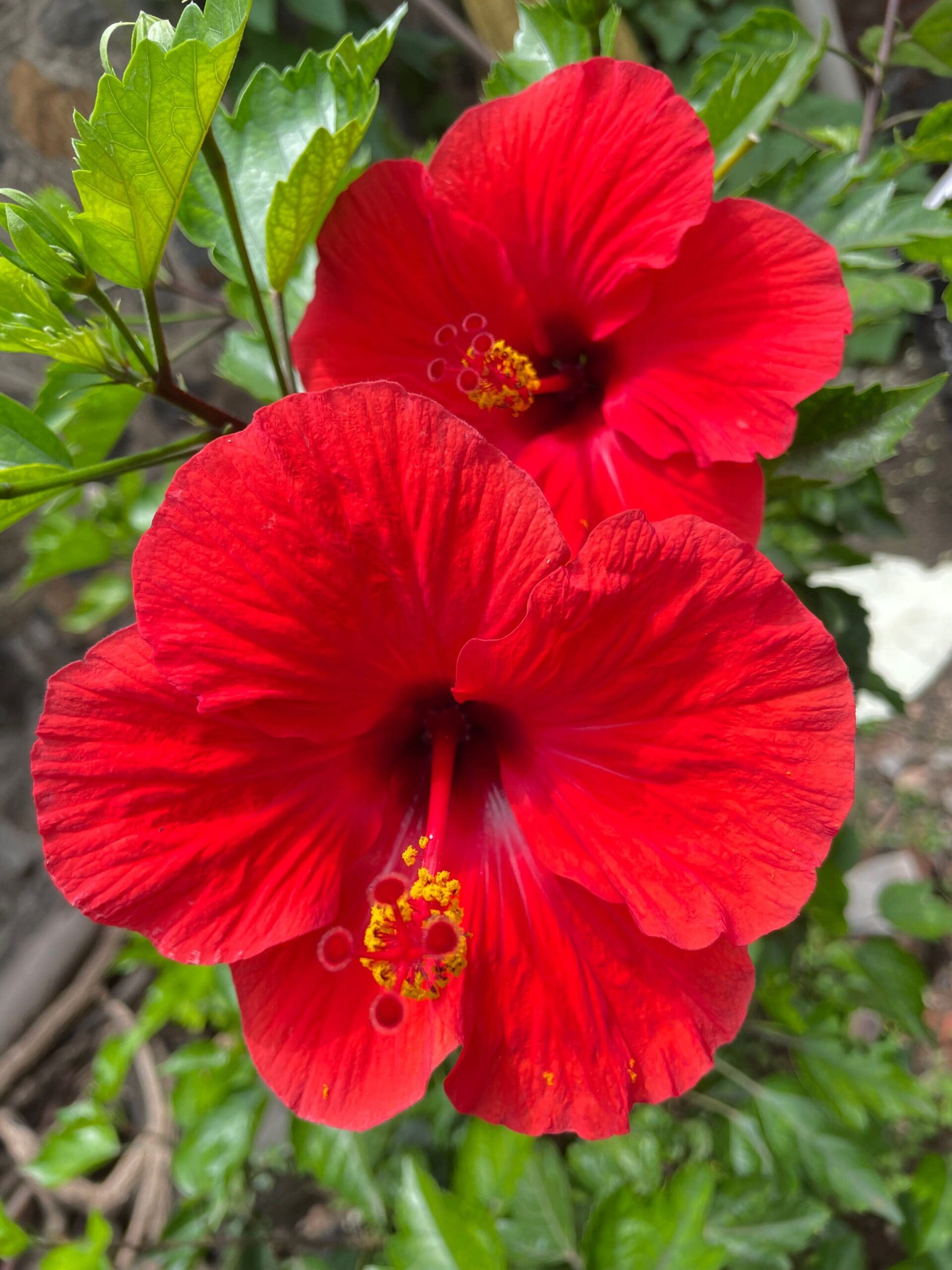
Hibiscus: With its large petals and vivid colours, hibiscus can make a striking addition to a pookalam. Red and yellow varieties can be used to create bold patterns and contrasts. (Image: Pexels)
ADVERTISEMENT
9/11
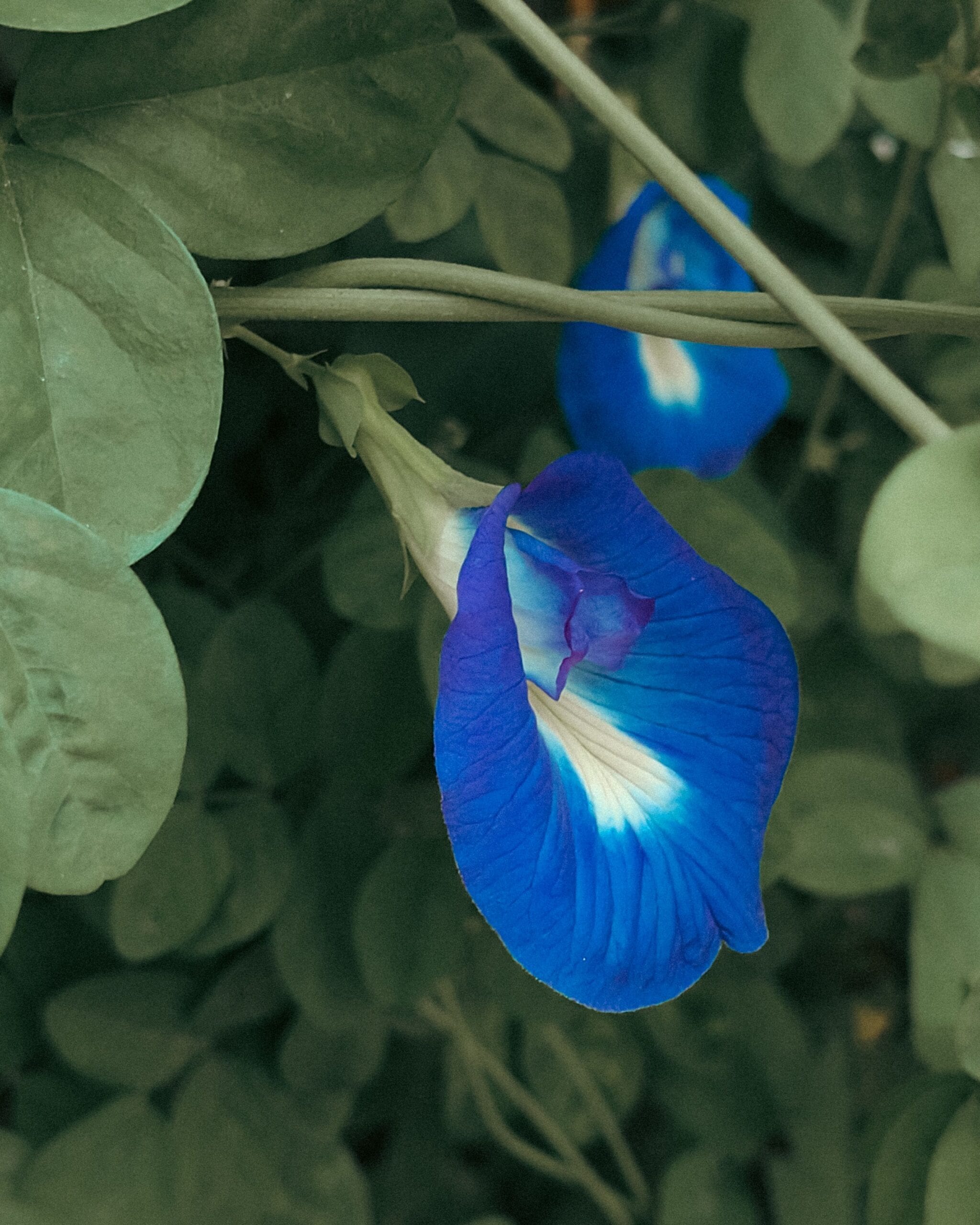
Butterfly Pea: The striking blue colour of butterfly pea can bring a distinctive shade to a floral arrangement. Its vibrant petals can be particularly useful when creating colourful geometric or circular patterns. (Image: Pexels)
10/11
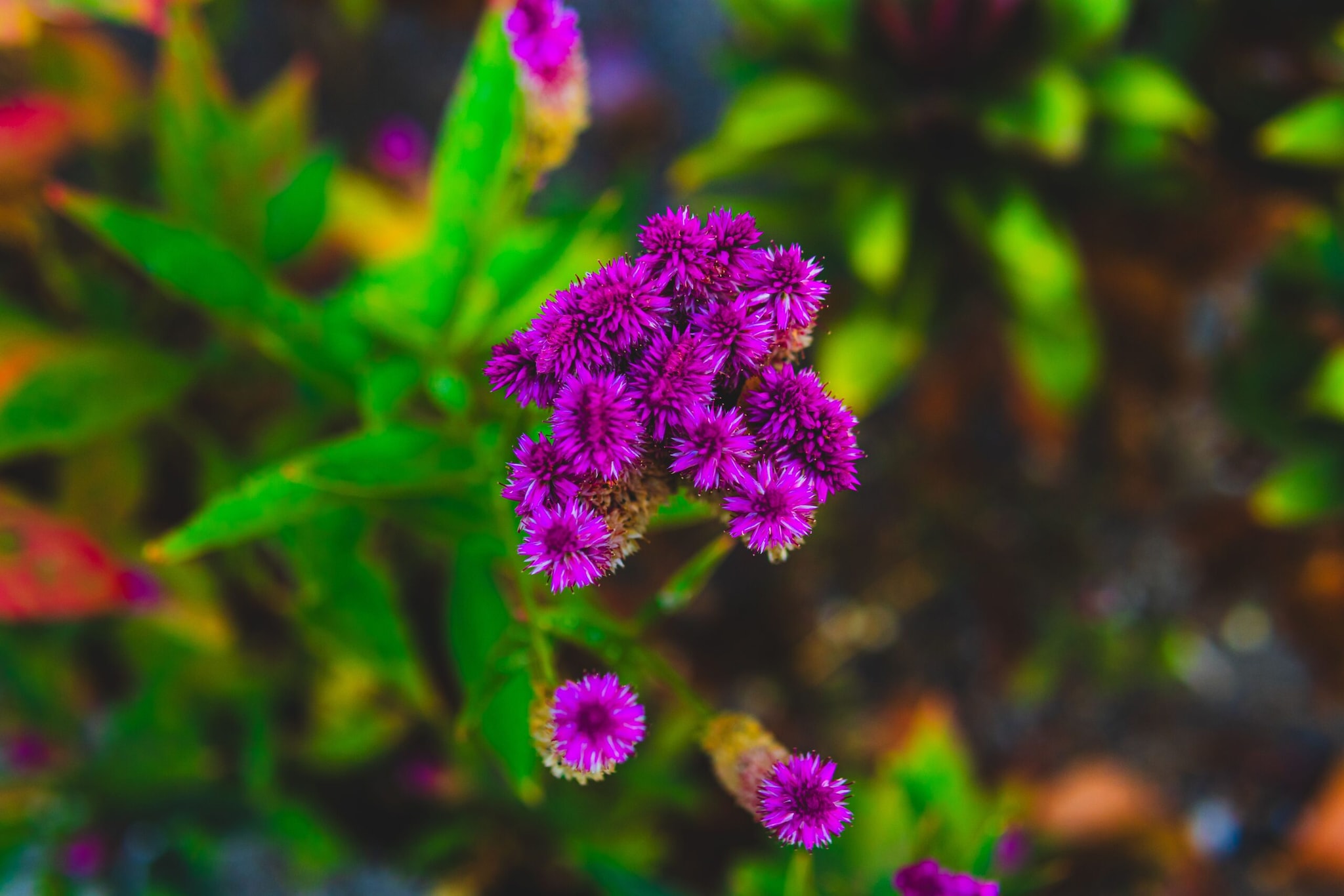
Globe Amaranth: Globe amaranth, known for its small, rounded flower heads, can add texture to pookalam designs. Its pink, purple and white shades can be used to create borders and intricate patterns. (Image: Pexels)
ADVERTISEMENT
11/11
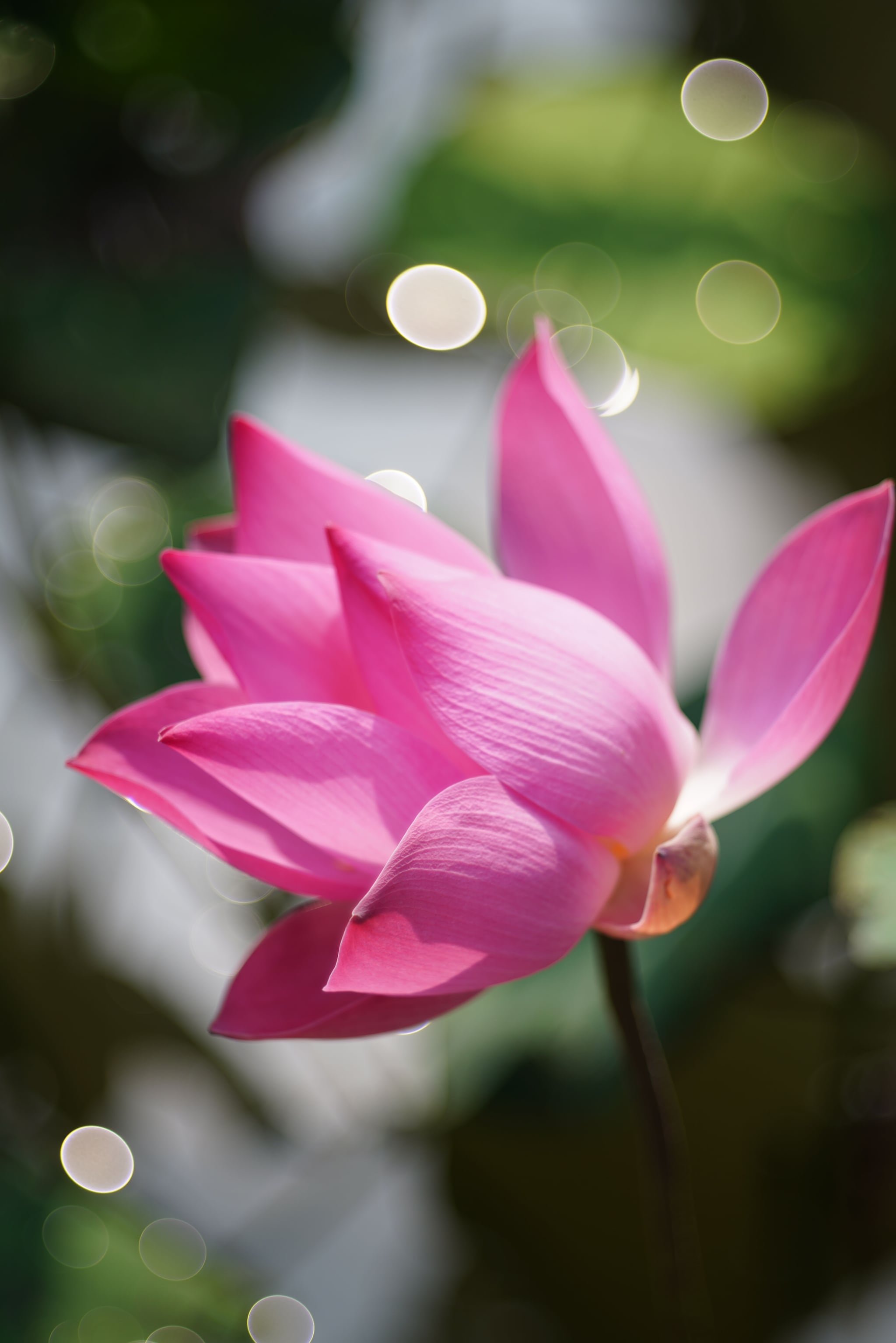
Lotus: The lotus is one of India’s most recognisable flowers and is associated with purity, beauty and auspiciousness. Although it may not be used as extensively as smaller flowers in every pookalam, its petals can add a distinctive traditional touch. (Image: Pexels)
Original source: https://www.news18.com/
Author

admin@myncblogs.com