In
- 0
- 614 words
News Photogallery lifestyle food Onions Prices Are Rising, These 7 Vegetables Can Surprisingly Replace It In Indian Cooking
Onions Prices Are Rising, These 7 Vegetables Can Surprisingly Replace It In Indian Cooking
Last Updated:
If you have been feeling the pinch of rising onion costs this monsoon, here are other vegetables that can make for great substitutions in the kitchen.
1/9
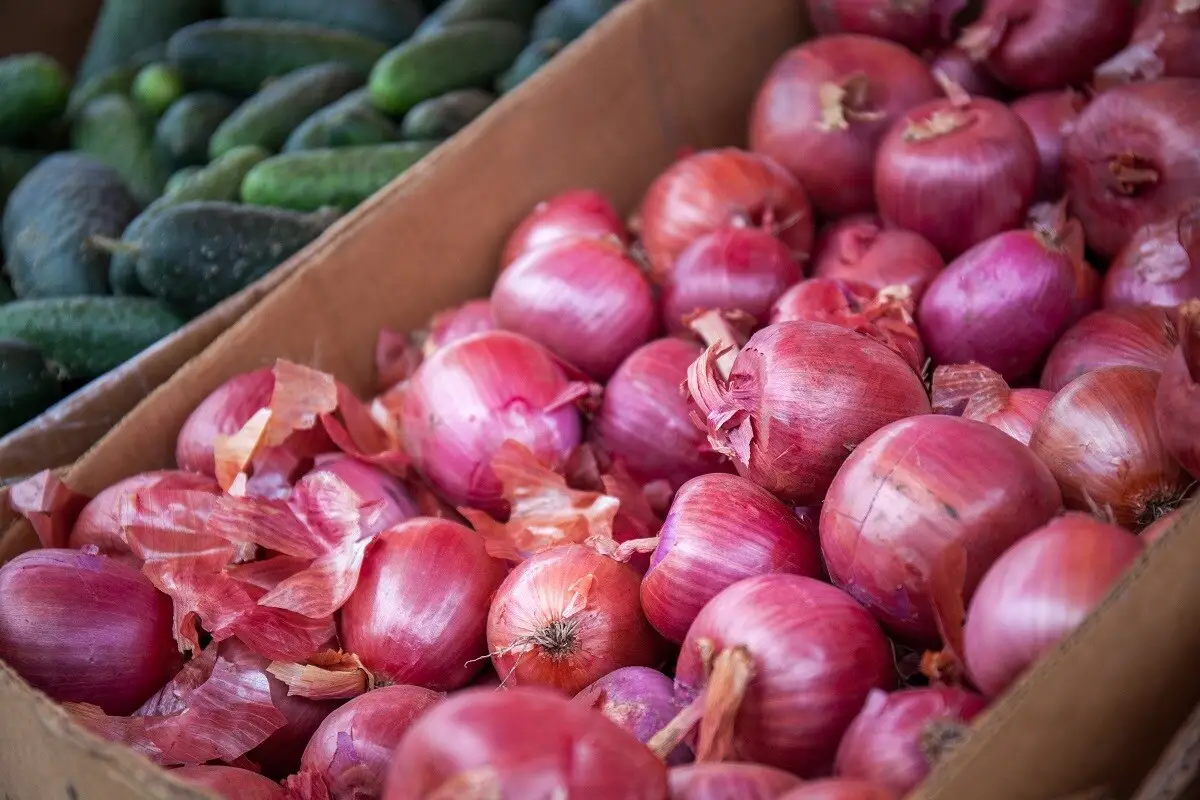
Onions are an integral part of everyday Indian cooking. From adding flavour and texture to imparting sweetness and thickening gravies, onions play the lead role in the film that is titled Indian food. But prices of onions are on the rise. A recent report, Crisil Intelligence’s Roti Rice Rate Indicator, has noted that the cost of onions rose by 20% on-year, driven by the arrival of higher-priced stored rabi stocks in the market.
2/9
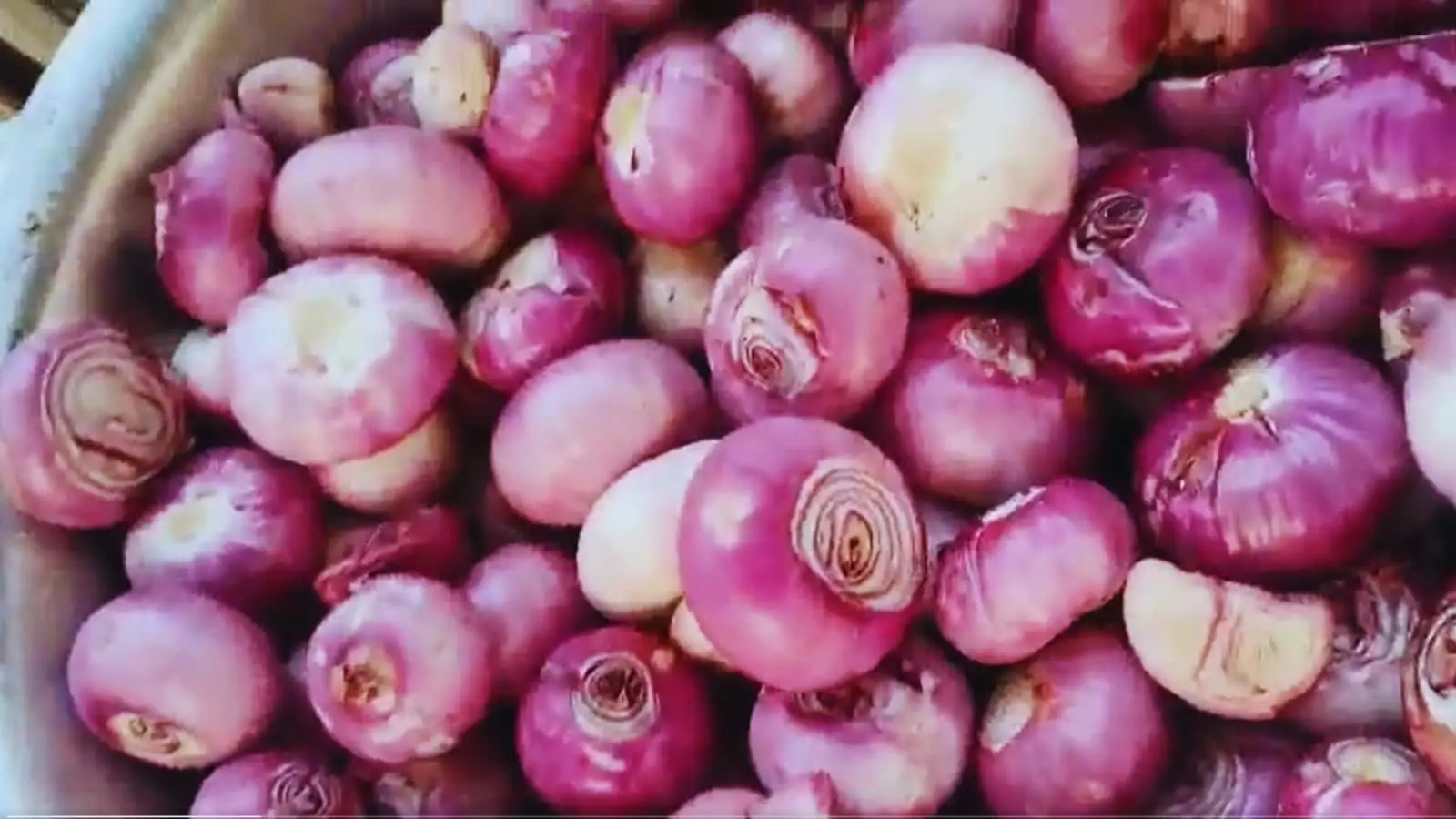
If you are feeling the price pinch on your budget, it is time to look at making small but cost-effective swaps that will not only enhance the taste but the dish, but also make it more nutritiously beneficial for you and your family. Here are 7 vegetables you can use in your Indian kitchen that will add depth of flavour, thickness and texture to your cooking:
ADVERTISEMENT
3/9
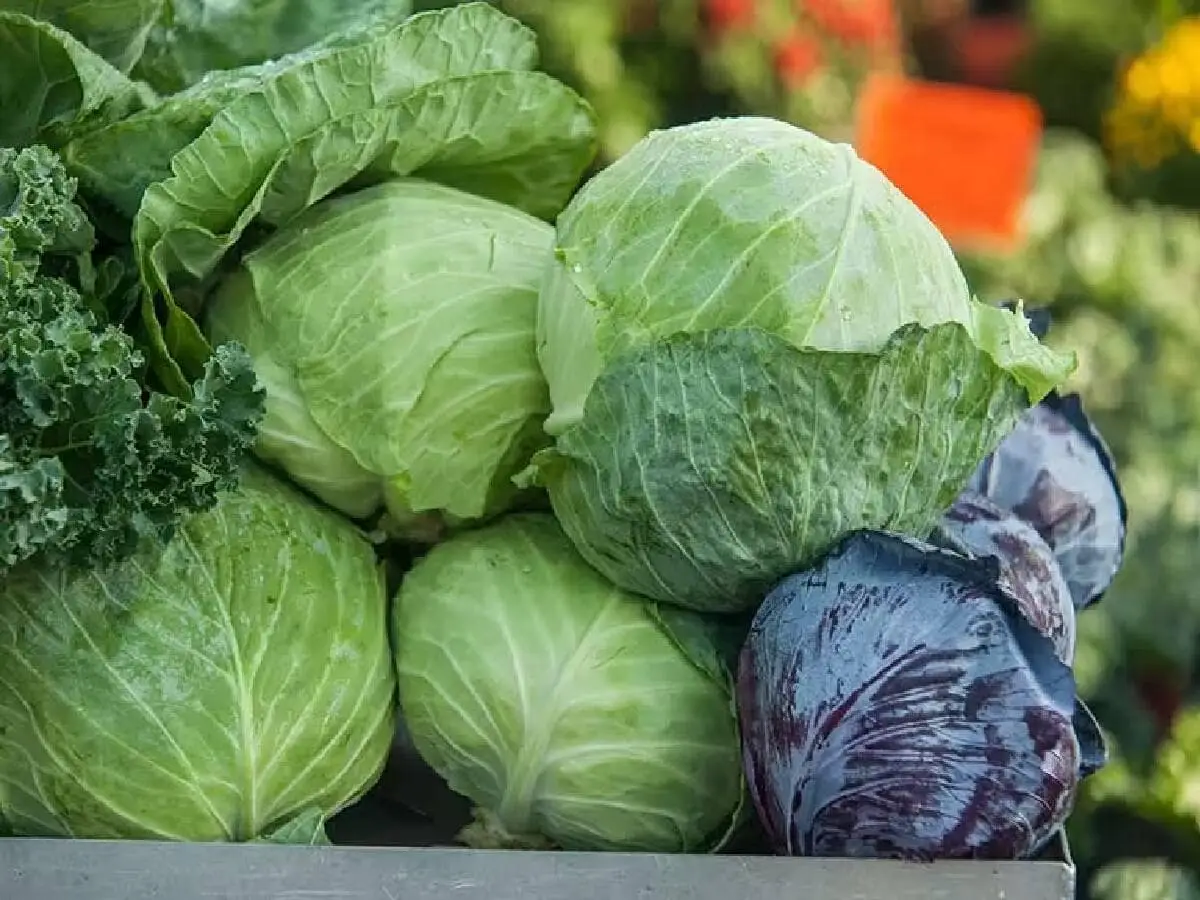
1. Cabbage for sweetness and texture
Finely chopped or grated cabbage can work surprisingly well as an onion substitute. When cooked slowly with oil and spices, cabbage softens and develops a mild sweetness. It works particularly well in dry sabzis, stir-fries and some curry bases. For a smoother gravy, cook the cabbage until very soft and blend it along with tomatoes and spices.
Finely chopped or grated cabbage can work surprisingly well as an onion substitute. When cooked slowly with oil and spices, cabbage softens and develops a mild sweetness. It works particularly well in dry sabzis, stir-fries and some curry bases. For a smoother gravy, cook the cabbage until very soft and blend it along with tomatoes and spices.
4/9
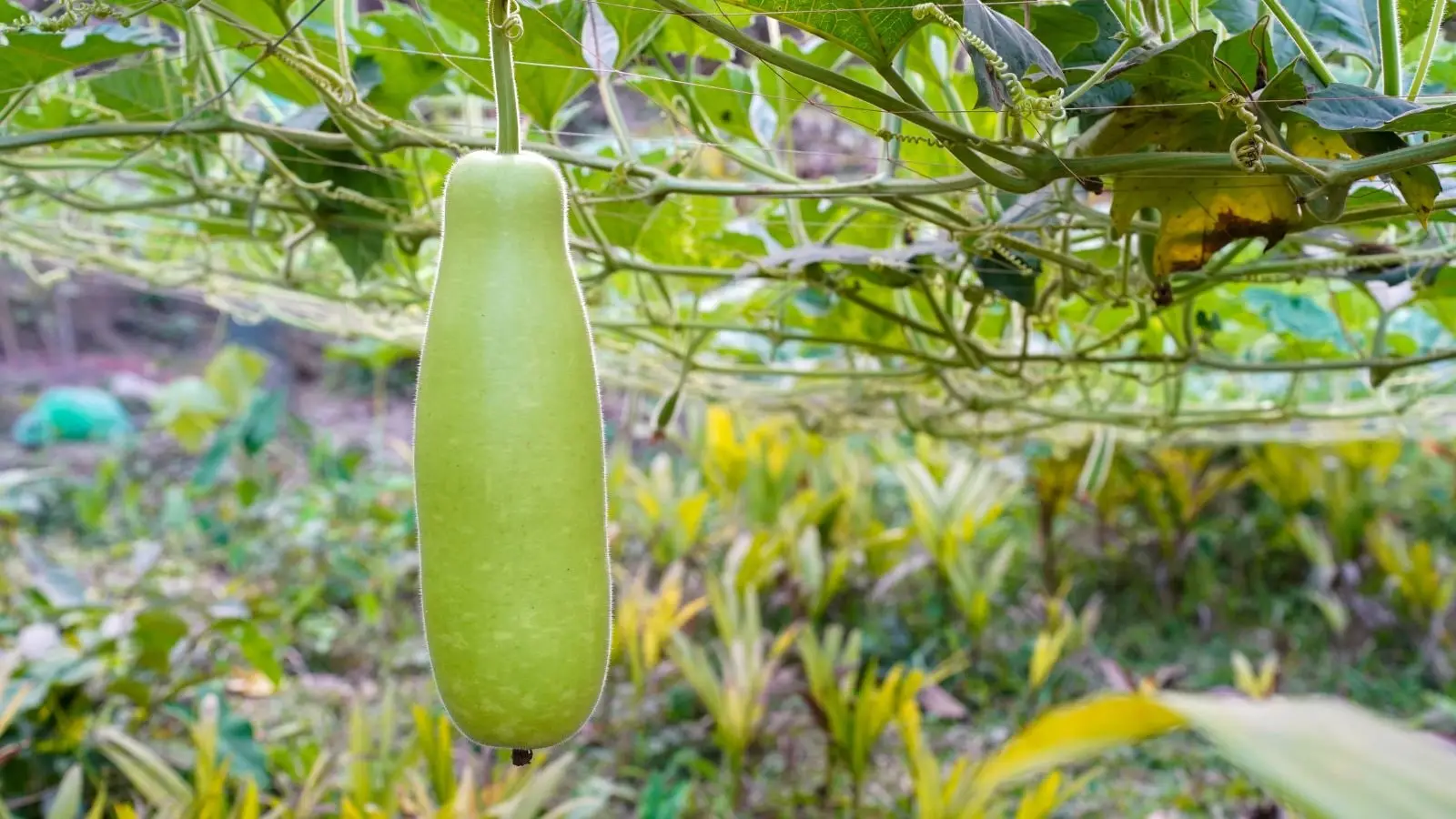
2. Bottle gourd for a naturally thick curry
Bottle gourd, or lauki, can add plenty of body to a curry without making it overwhelmingly heavy. Grate or finely chop it, cook it with tomatoes and spices, and allow the excess water to evaporate. It can be particularly useful when making everyday vegetable gravies, dal-based dishes and koftas.
Bottle gourd, or lauki, can add plenty of body to a curry without making it overwhelmingly heavy. Grate or finely chop it, cook it with tomatoes and spices, and allow the excess water to evaporate. It can be particularly useful when making everyday vegetable gravies, dal-based dishes and koftas.
ADVERTISEMENT
5/9

3. Pumpkin for a slightly sweet flavour
Pumpkin is another excellent option when you want to recreate some of the natural sweetness onions bring to a dish. Cooked pumpkin becomes soft and creamy, making it useful for thick gravies. Use a small quantity if you don’t want the curry to become noticeably sweet, and balance it with chilli, cumin, coriander and other spices.
Pumpkin is another excellent option when you want to recreate some of the natural sweetness onions bring to a dish. Cooked pumpkin becomes soft and creamy, making it useful for thick gravies. Use a small quantity if you don’t want the curry to become noticeably sweet, and balance it with chilli, cumin, coriander and other spices.
6/9
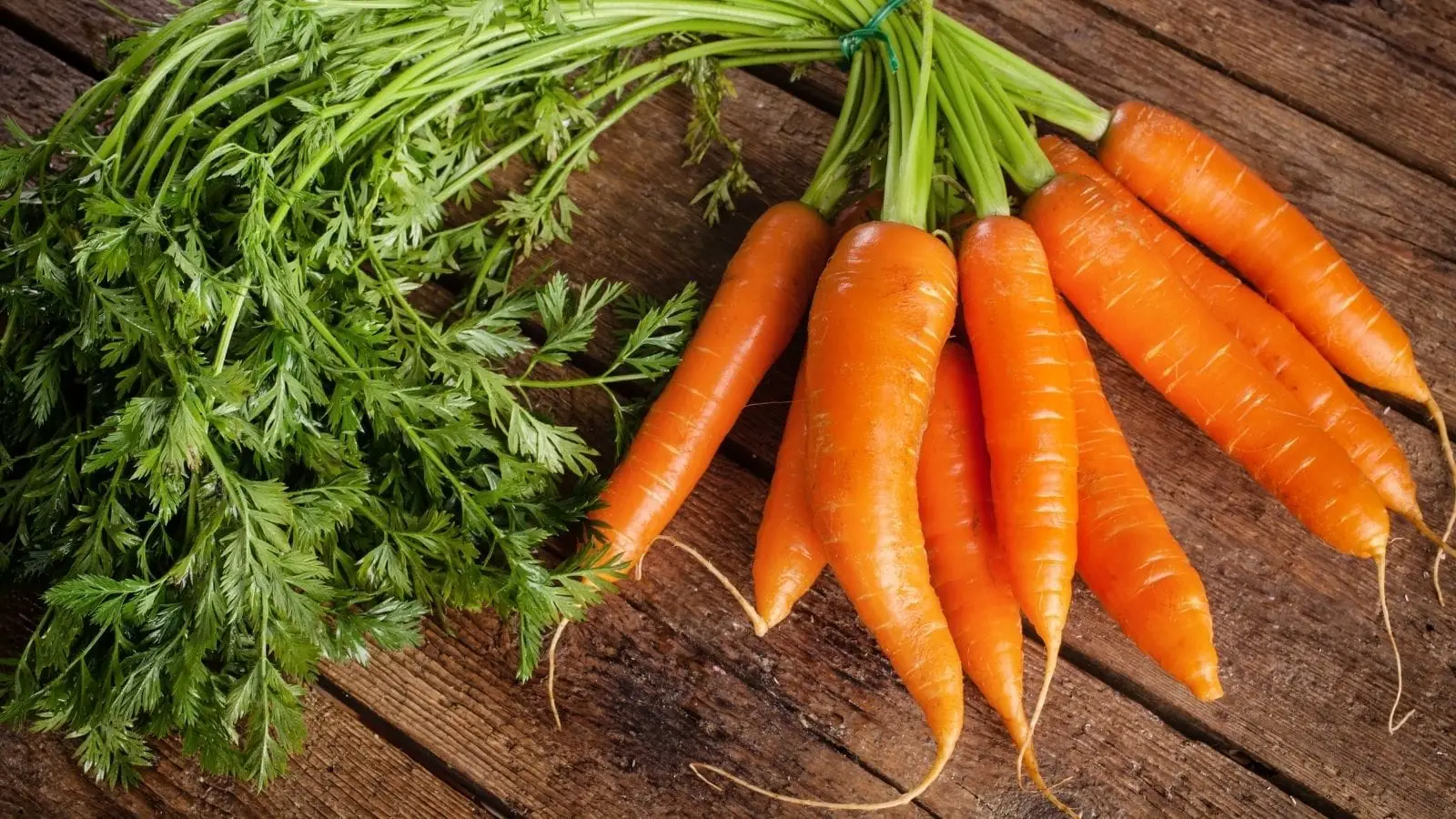
4. Carrots for sweetness
Carrots can bring natural sweetness and a little texture to curries. Finely grate them or cook them until soft before blending them into a gravy. They work especially well with tomato-based curries, vegetable dishes and creamy gravies where a subtle sweetness is welcome.
Carrots can bring natural sweetness and a little texture to curries. Finely grate them or cook them until soft before blending them into a gravy. They work especially well with tomato-based curries, vegetable dishes and creamy gravies where a subtle sweetness is welcome.
ADVERTISEMENT
7/9
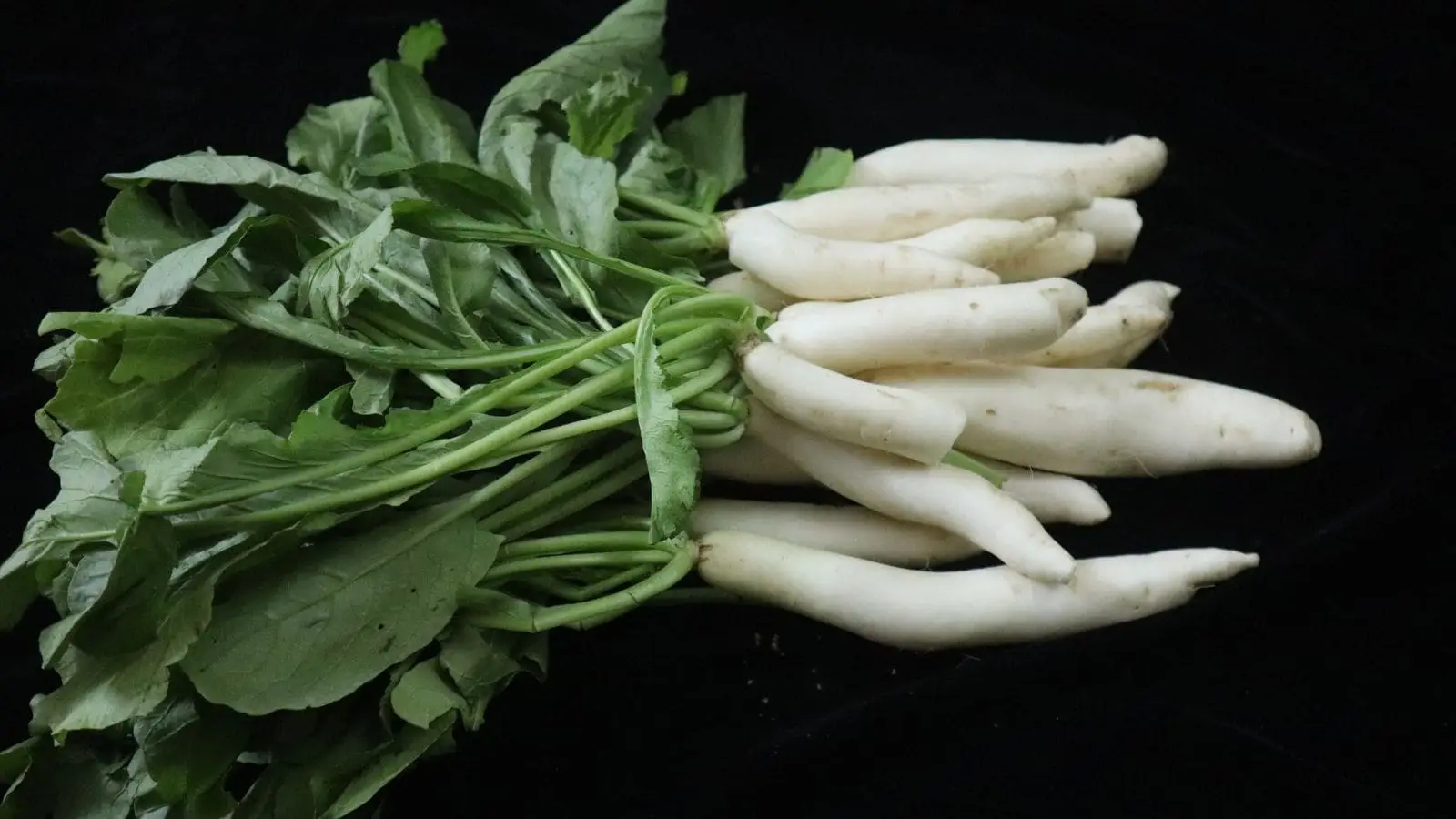
5. Radish for a savoury alternative
Radish may not be the first vegetable that comes to mind, but finely grated radish can be used in certain Indian preparations where onion is traditionally cooked into the base. Cook it thoroughly with spices to mellow its sharper flavour. It can be particularly useful in rustic sabzis and regional-style preparations.
Radish may not be the first vegetable that comes to mind, but finely grated radish can be used in certain Indian preparations where onion is traditionally cooked into the base. Cook it thoroughly with spices to mellow its sharper flavour. It can be particularly useful in rustic sabzis and regional-style preparations.
8/9
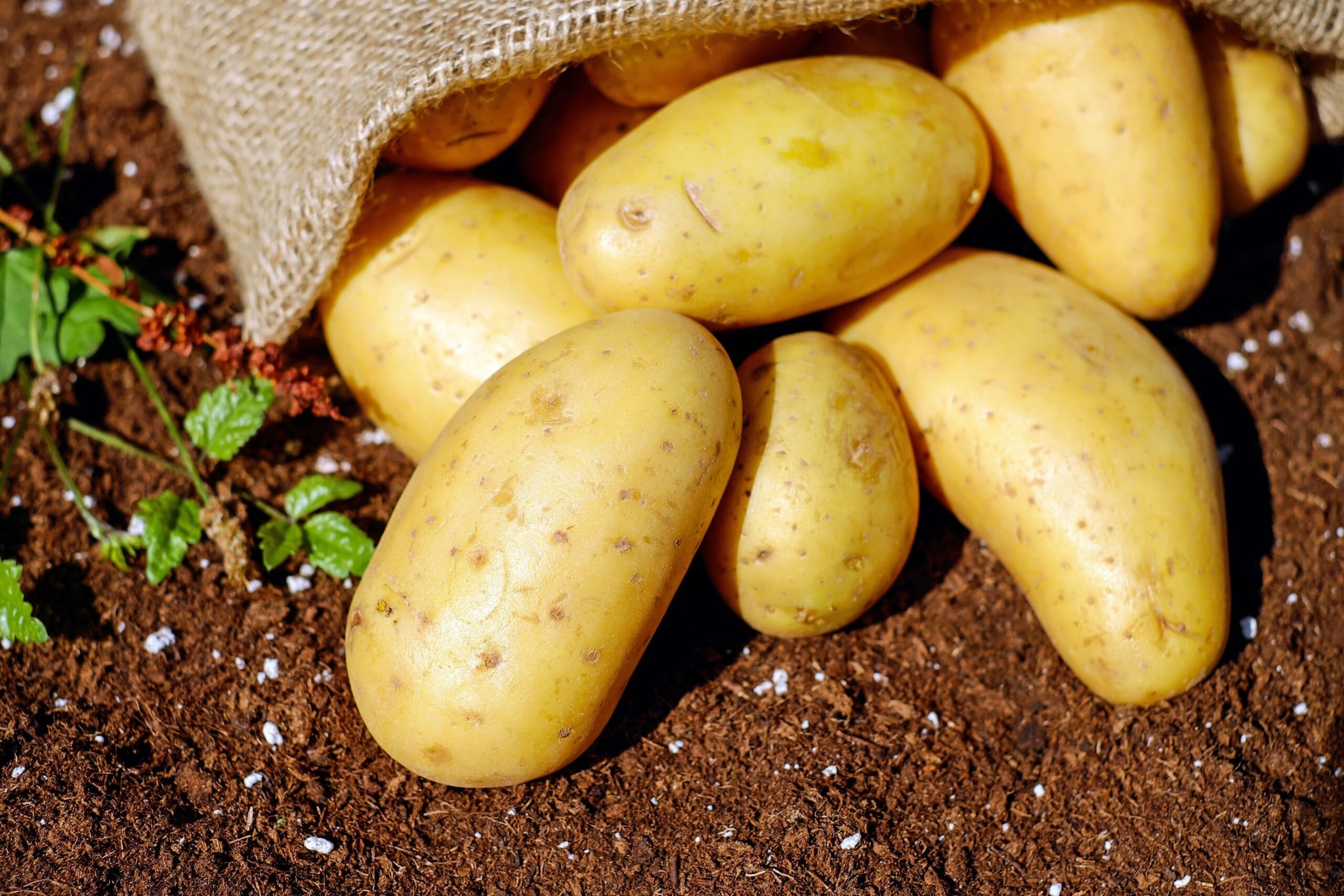
6. Potatoes can make a curry thicker
Potatoes aren’t just a substitute for onions in terms of adding bulk. They can also help thicken curry without onions. Add a boiled potato to the gravy and mash it slightly, or cook small potato pieces directly into the curry. The starch released during cooking can give the gravy a thicker, creamier consistency.
Potatoes aren’t just a substitute for onions in terms of adding bulk. They can also help thicken curry without onions. Add a boiled potato to the gravy and mash it slightly, or cook small potato pieces directly into the curry. The starch released during cooking can give the gravy a thicker, creamier consistency.
ADVERTISEMENT
9/9
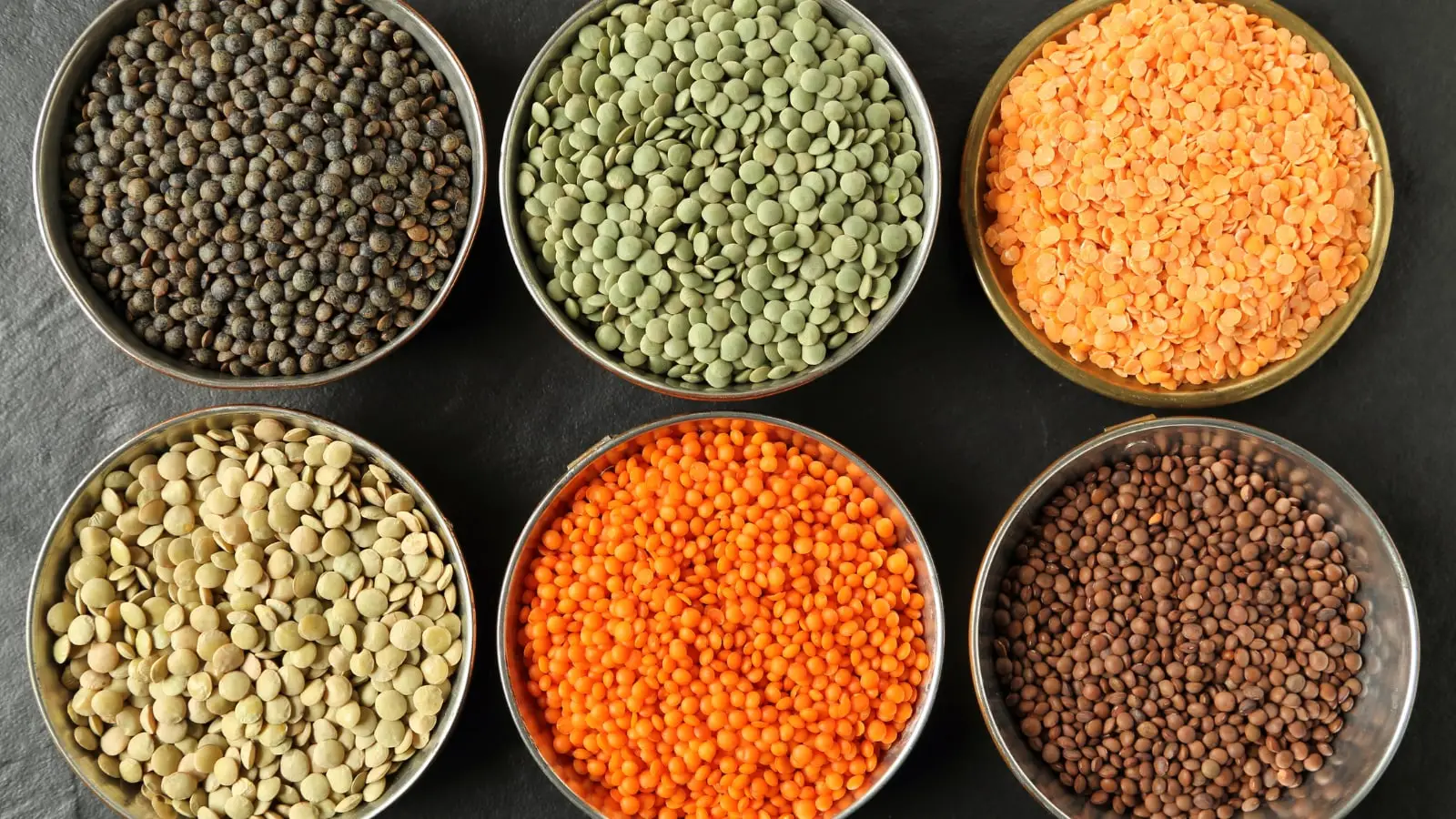
7. Lentils can add natural thickness
A small quantity of cooked dal can transform a thin curry into a hearty gravy. Yellow moong dal or masoor dal can be cooked until soft and blended into the curry. This also adds protein and makes the dish more filling.
A small quantity of cooked dal can transform a thin curry into a hearty gravy. Yellow moong dal or masoor dal can be cooked until soft and blended into the curry. This also adds protein and makes the dish more filling.
Original source: https://www.news18.com/
Author

admin@myncblogs.com