In
- 0
- 345 words
News Photogallery lifestyle food Tips And Tricks: Step-By-Step Guide To Check Purity Of Coconut Oil At Home
Tips And Tricks: Step-By-Step Guide To Check Purity Of Coconut Oil At Home
Last Updated:
Coconut oil is widely used in cooking, hair care and skin care.
Earlier this year, the Food Safety and Standards Authority of India (FSSAI) shared a simple fridge test that helps detect adulteration in oil based on how it solidifies. Pure coconut oil has a distinctive texture and solidifies at a particular temperature range.
1/6
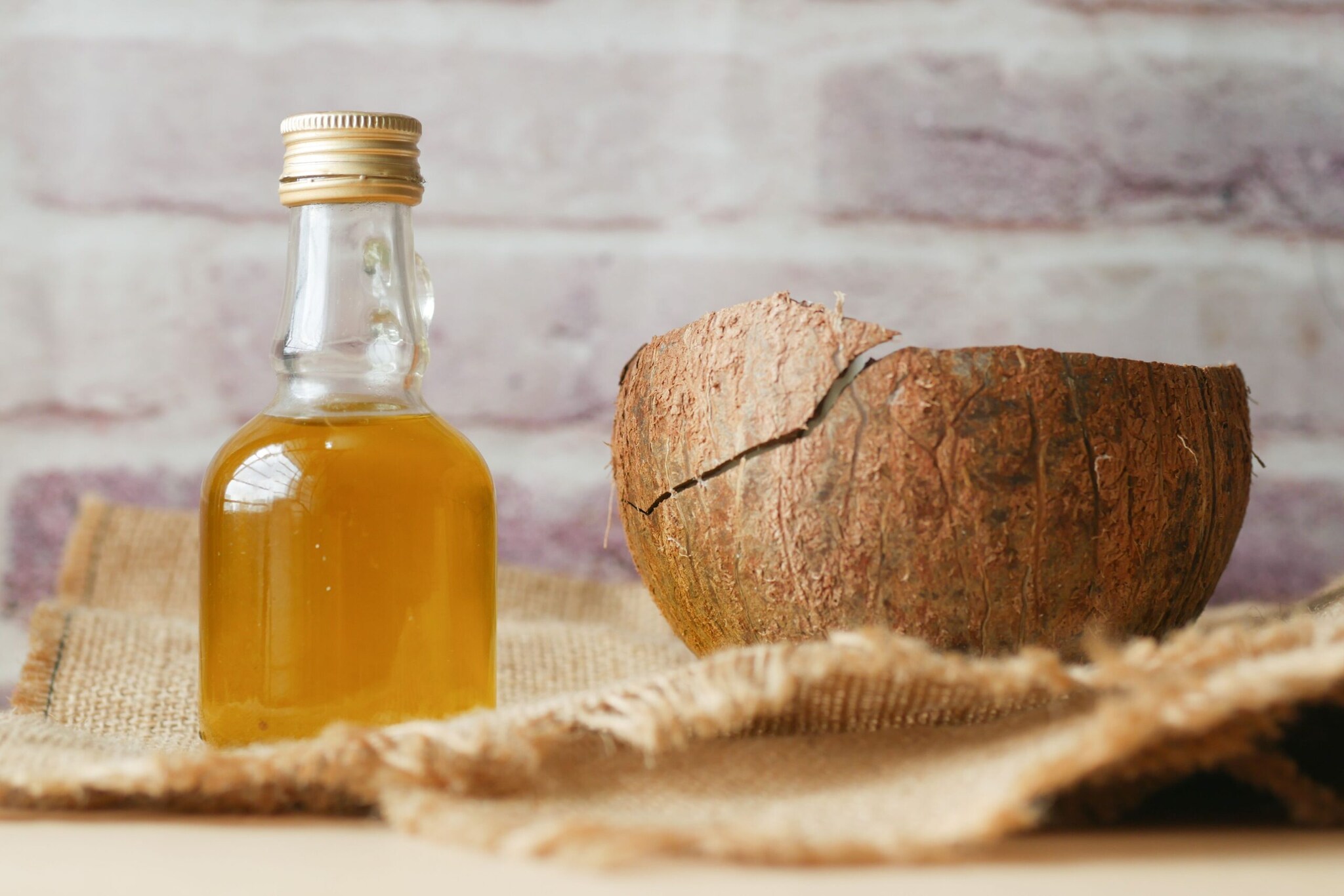
Before trying this test, gather the following:
– A clear, clean container (glass or plastic)
– Your coconut oil (melted if solid)
– A refrigerator that can reach 5-10 degree Celsius. (Image: Pexels)
– A clear, clean container (glass or plastic)
– Your coconut oil (melted if solid)
– A refrigerator that can reach 5-10 degree Celsius. (Image: Pexels)
2/6
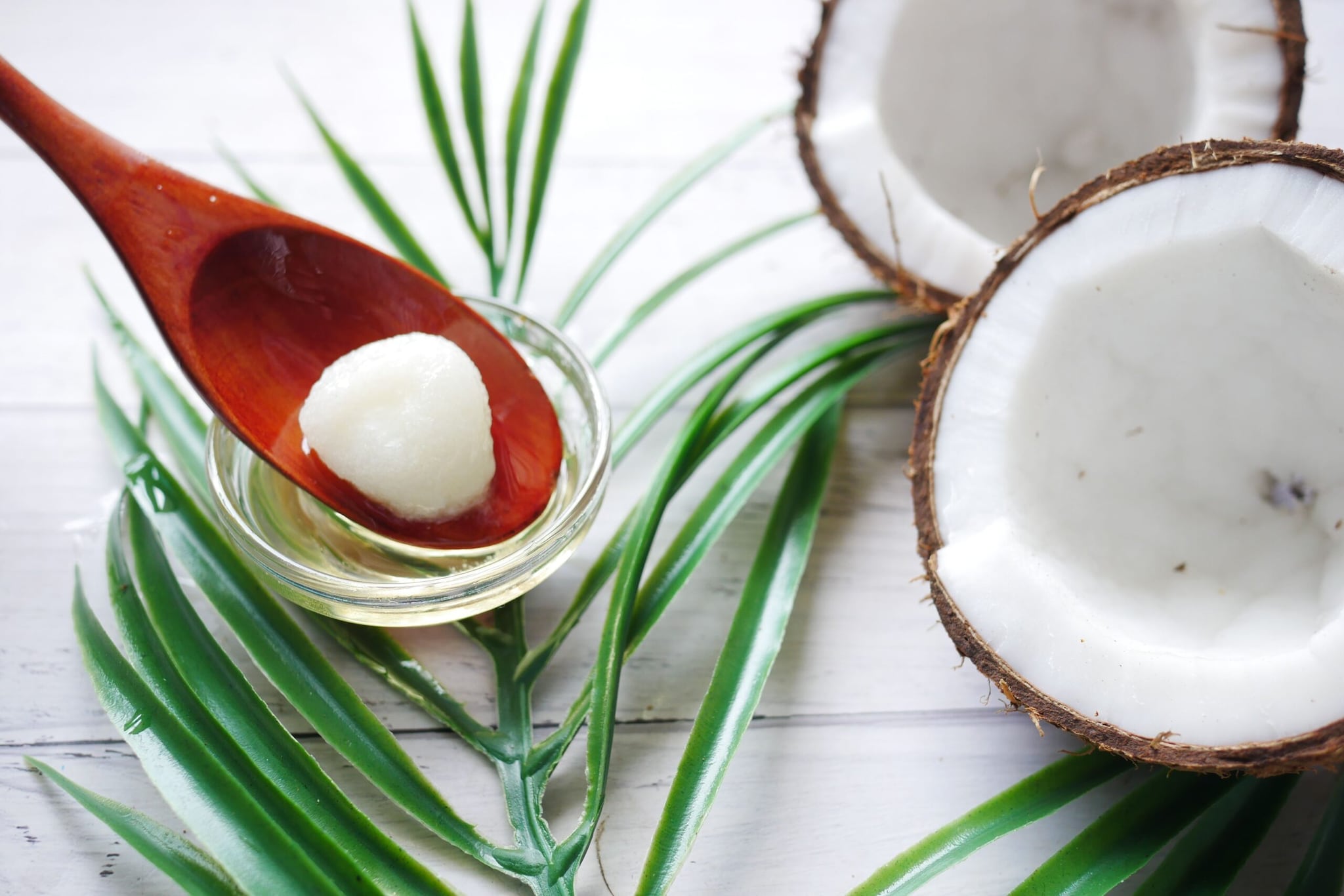
Place Coconut Oil In A Container: Pour a small amount of coconut oil into a transparent container. A clear view helps you spot changes after cooling. If the oil is solid, gently heat it until it becomes liquid but avoid overheating. (Image: Pexels)
ADVERTISEMENT
3/6
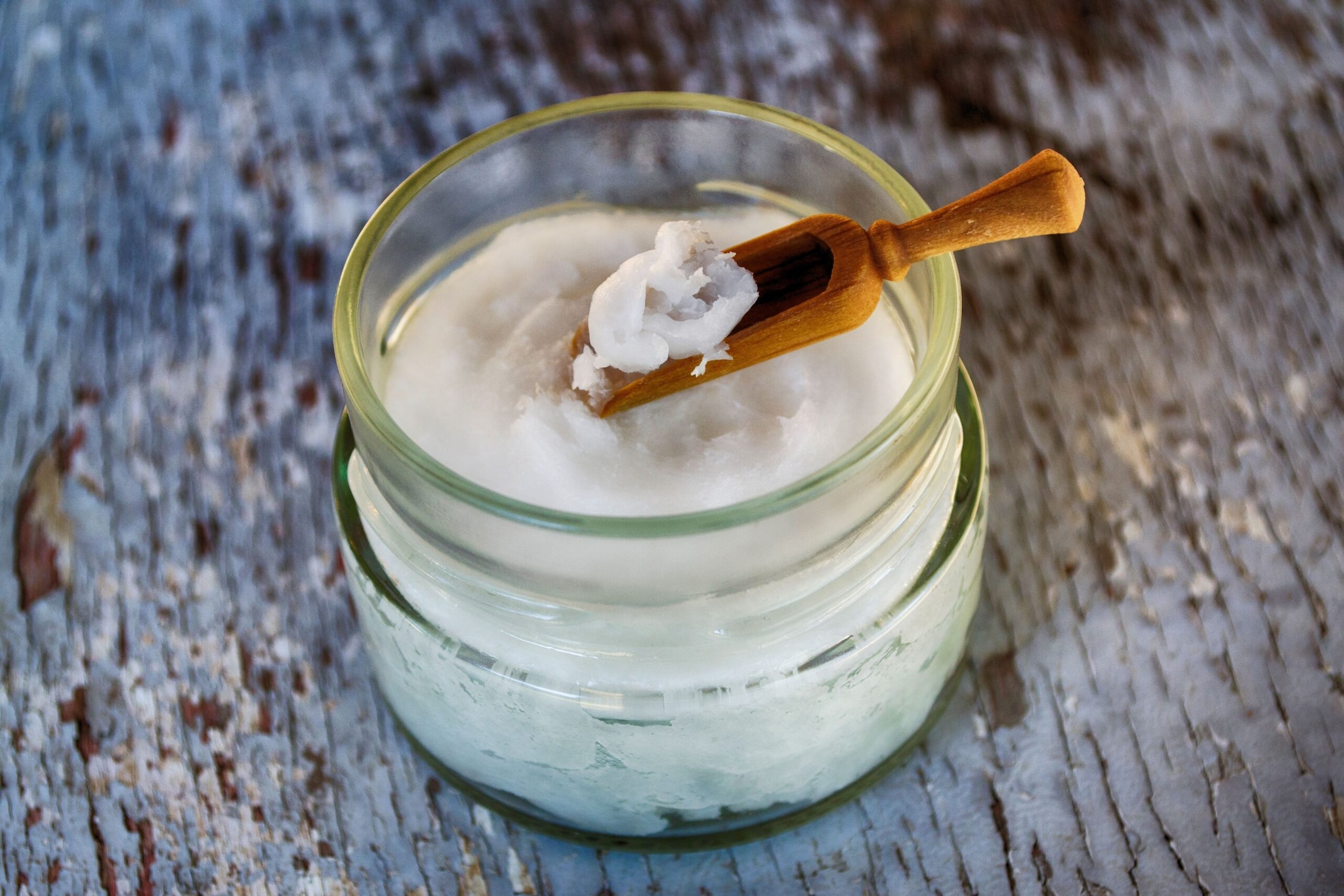
Chill The Oil Between 5 and 10 degree Celsius: Put the container in the refrigerator. The ideal temperature range for this test is 5-10 degree Celsius. This is colder than room temperature but warmer than freezing. (Image: Pexels)
4/6

Wait for 60-90 minutes: Let the oil rest undisturbed for about one to one-and-a-half hours. During this time the oil will begin to solidify. (Image: Pexels)
ADVERTISEMENT
5/6

Observe the texture after cooling: Pure coconut oil will solidify uniformly and its form will remain unchanged. Adulterated coconut oil often forms separate layers or patches after cooling. This occurs because oils with different freezing points do not solidify at the same rate or temperature as pure coconut oil. (Image: Pexels)
6/6
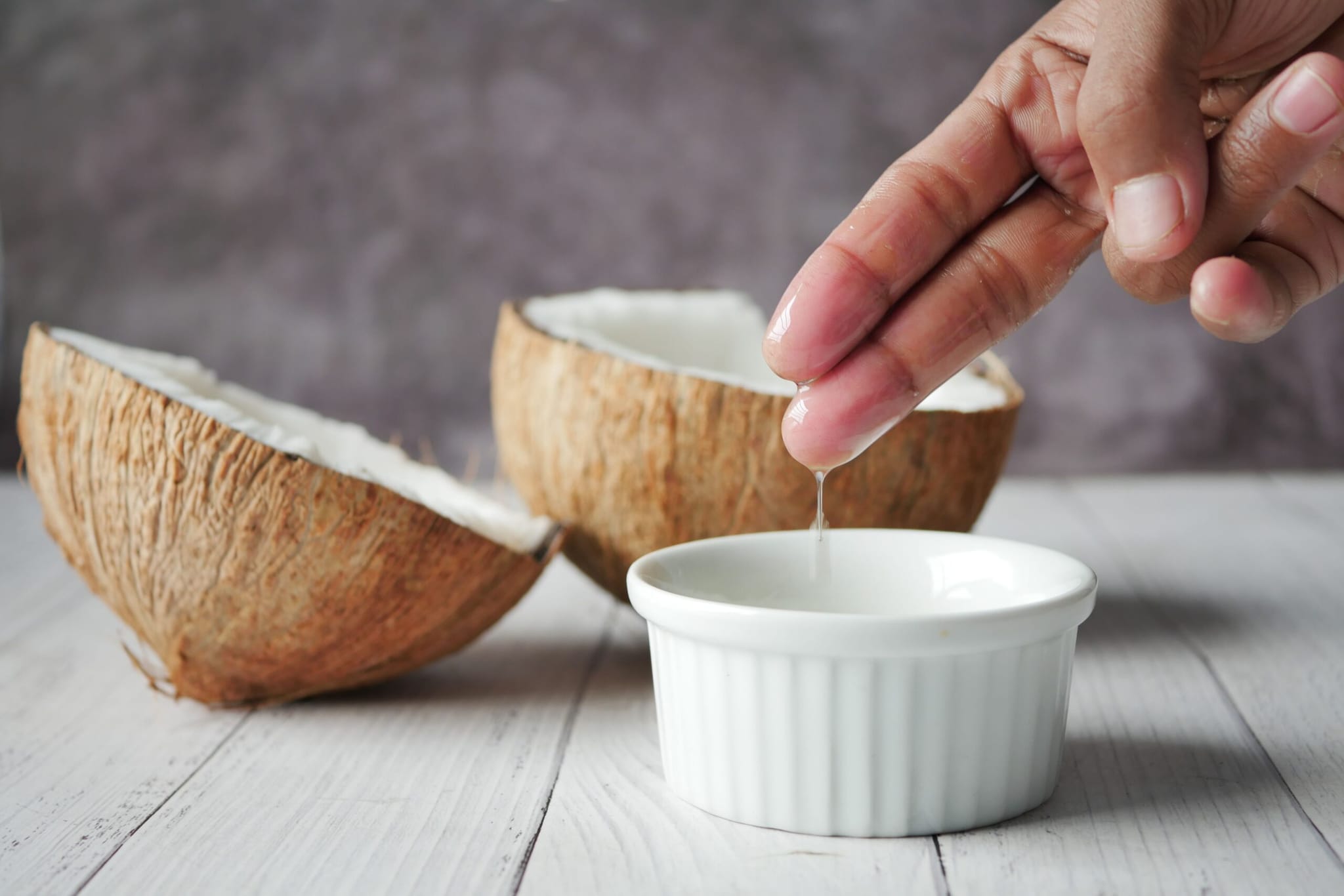
Tips For Accurate Results
– Make sure the refrigerator temperature is stable. Fluctuating temperatures can affect results.
– Always use a clean container to avoid contamination.
– Test different brands to compare their behaviour under the same conditions. (Image: Pexels)
– Make sure the refrigerator temperature is stable. Fluctuating temperatures can affect results.
– Always use a clean container to avoid contamination.
– Test different brands to compare their behaviour under the same conditions. (Image: Pexels)
Original source: https://www.news18.com/lifestyle/food/
Author

admin@myncblogs.com