- 0
- 631 words
Want Your Kids To Improve Memory & Focus When Studing? These 5 Habits Can Help
In today’s modern world, kids have a lot of things that can distract them from studying, including television, phone, social media, etc. Here’s how you can help as a parent.

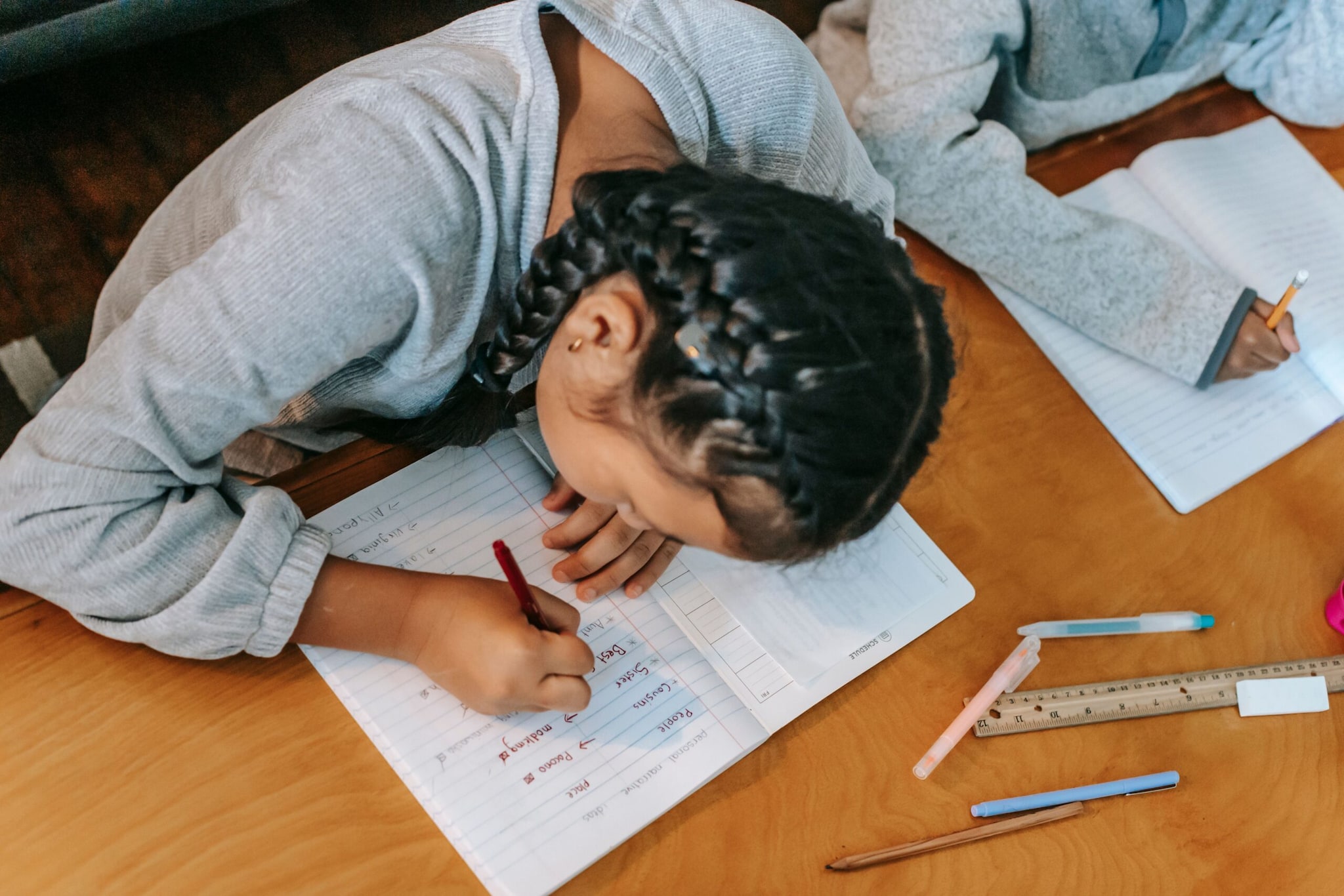


Physical exercise will help enhance the flow of blood in the brain as well as improve one’s concentration and coordination skills:
a. Promote yoga and deep breathing: Yoga movements like the tree pose and the warrior pose assist in coordinating the body and developing control over oneself.
Deep breathing will make children relaxed and refocused.
b. Introduce cross lateral movements: Activities such as touching one’s right elbow with his or her left knee help use both sides of the brain.

Fun brain games develop your ability to pay attention, remember and think logically.
a. Spot the Difference or Find the Hidden Object: This is done in order to develop observational skills, visual memory and sustained attention.
b. Copy and Continue Patterns: Creating and continuing patterns by using colored beads, blocks or any other shapes develops sequencing skills, logical thinking and focus.
c. Story Chain Activity: Each child has to add a sentence to the story remembering what was said before which helps to develop listening, verbal memory and creativity.

Sometimes kids get distracted from tasks because those appear too difficult for them to be done. Breaking down a new or complicated activity into several easy steps makes such a task easier to understand, perform, and remember.

The Pomodoro Technique suggests working on something for some period of time (20-25 minutes) and then taking a little break (5 minutes). Such a technique helps to avoid mind tiredness, become more productive and increase attention span.

It is crucial to provide children with a quiet and organised place for studying and make sure that there are no distractions like gadgets during the time of doing homework. The final tip is about lifestyle. Proper nutrition, sufficient amount of water, and quality sleep make one’s brain work much better, and improve attention and memory.
Original source: https://www.news18.com/
Author

admin@myncblogs.com
Related Posts

World Elephant Day 2026: What Life Is Like Inside India’s First Mahout Village
- 0
- 407 words
News Photogallery lifestyle travel World Elephant Day 2026: What Life Is Like Inside India’s First Mahout Village World Elephant Day 2026: What...
Read out all
Opinion | Soft Hindutva, Hard Double Standards: The Kerala Story
- 0
- 2,111 words
News opinion Opinion | Soft Hindutva, Hard Double Standards: The Kerala StoryOpinion | Soft Hindutva, Hard Double Standards: The Kerala Story Written...
Read out all
Thane Boy Assaults 16-Year-Old For 30 Hours: Rape, Whipping With Dog Leashes, 20 Blade Slashes To Neck, Genitals
- 0
- 1,157 word
Temp:°C %AQI: Petrol:₹ +0%Diesel:₹ +0%24 Gold/10g:₹0+0%Silver/kg:₹0 +0%Platinum/gram: +0%Zinc/kg: +0%Copper/kg: +0%CNG/kg: +0%News cities mumbai-news Thane Boy Assaults 16-Year-Old For 30 Hours: Rape, Whipping...
Read out all
Homes In Portugal, Saudi Arabia, Dubai: Ronaldo & Georgina Rodríguez’s Built A Modern Day Empire
- 0
- 440 words
News Photogallery lifestyle home-garden Homes In Portugal, Saudi Arabia, Dubai: Ronaldo & Georgina Rodríguez's Built A Modern Day Empire Homes In Portugal,...
Read out all
Is Govinda Really Dating Komal Rani Swarnkar? 8 Things We Know
- 0
- 448 words
News Photogallery movies bollywood Is Govinda Really Dating Komal Rani Swarnkar? 8 Things We Know Is Govinda Really Dating Komal Rani Swarnkar?...
Read out all
Arvind Kejriwal’s Viral Blue Wagon R: Where Is The Car Now? AAP Leader Reveals | WATCH
- 0
- 915 words
Temp:°C %AQI: Petrol:₹ +0%Diesel:₹ +0%24 Gold/10g:₹0+0%Silver/kg:₹0 +0%Platinum/gram: +0%Zinc/kg: +0%Copper/kg: +0%CNG/kg: +0%News cities new-delhi-news Arvind Kejriwal’s Viral Blue Wagon R: Where Is The...
Read out all