- 0
- 627 words
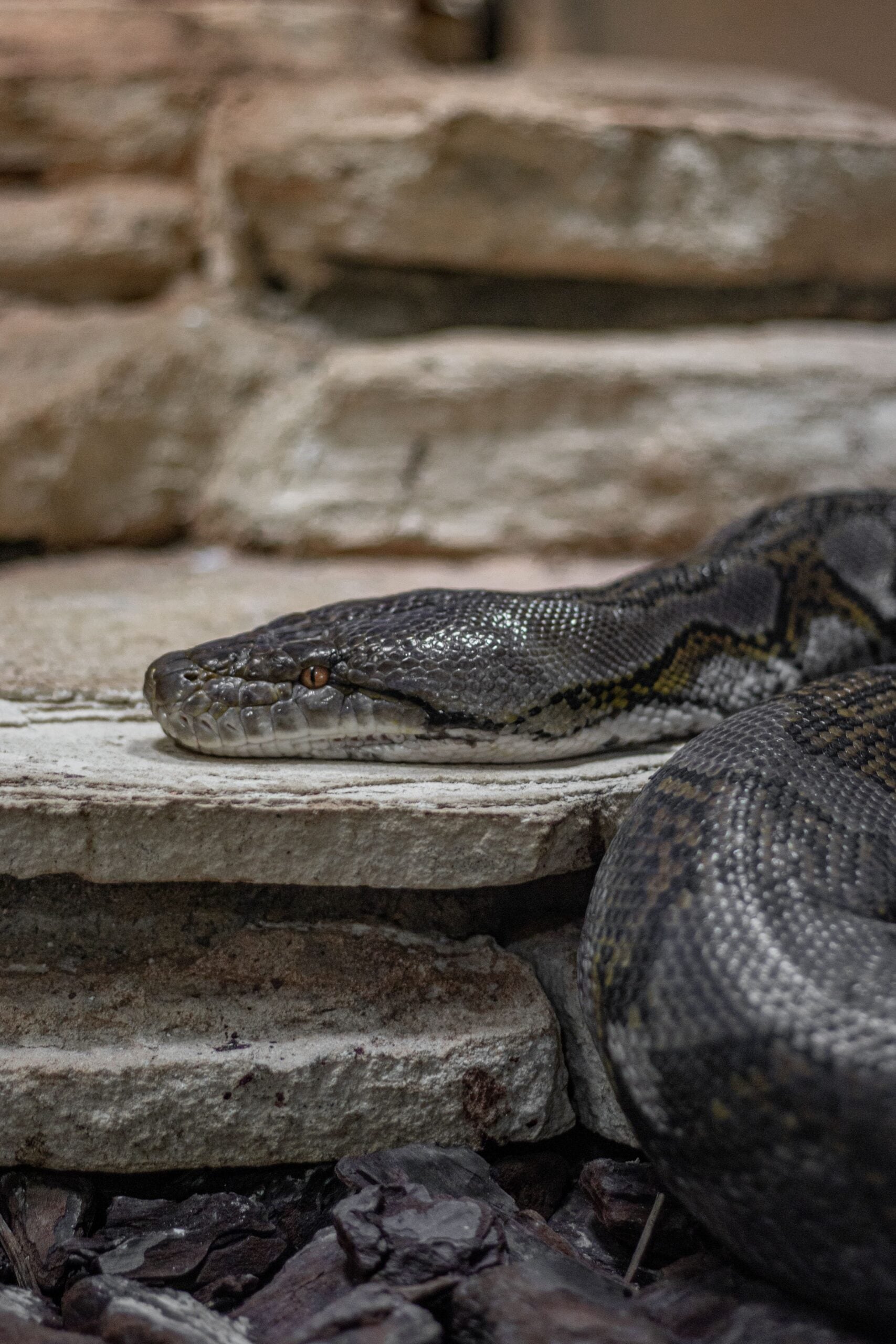
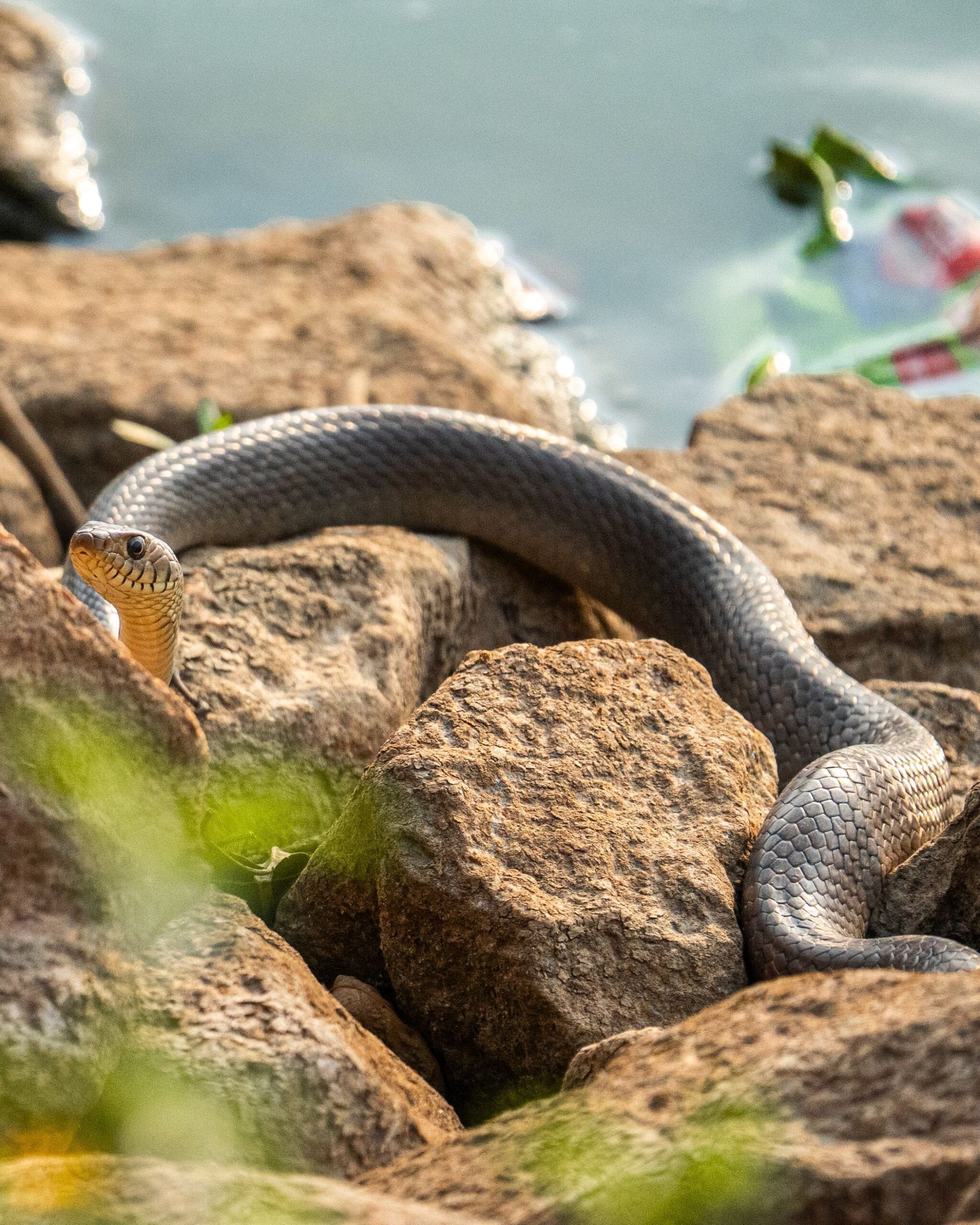
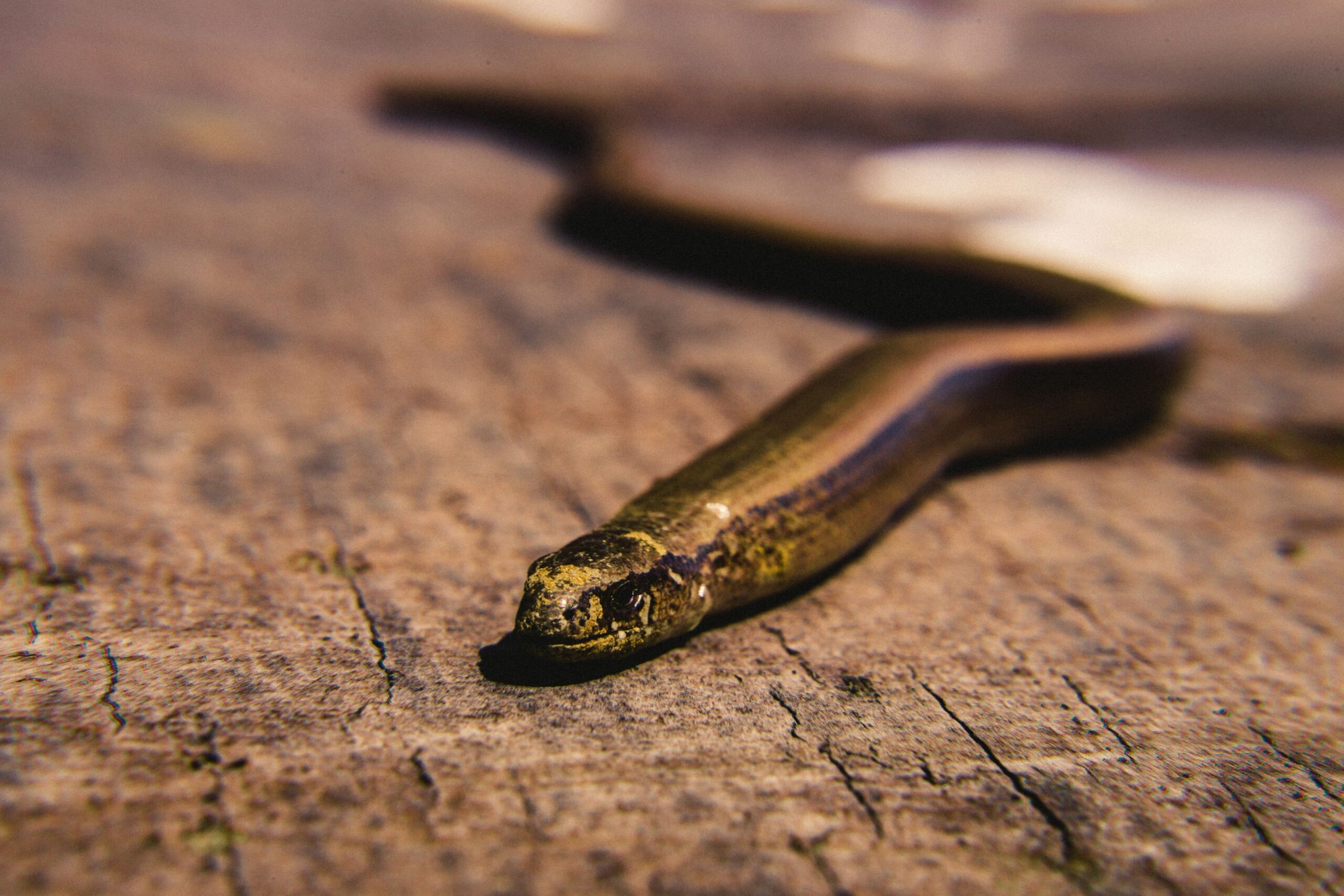
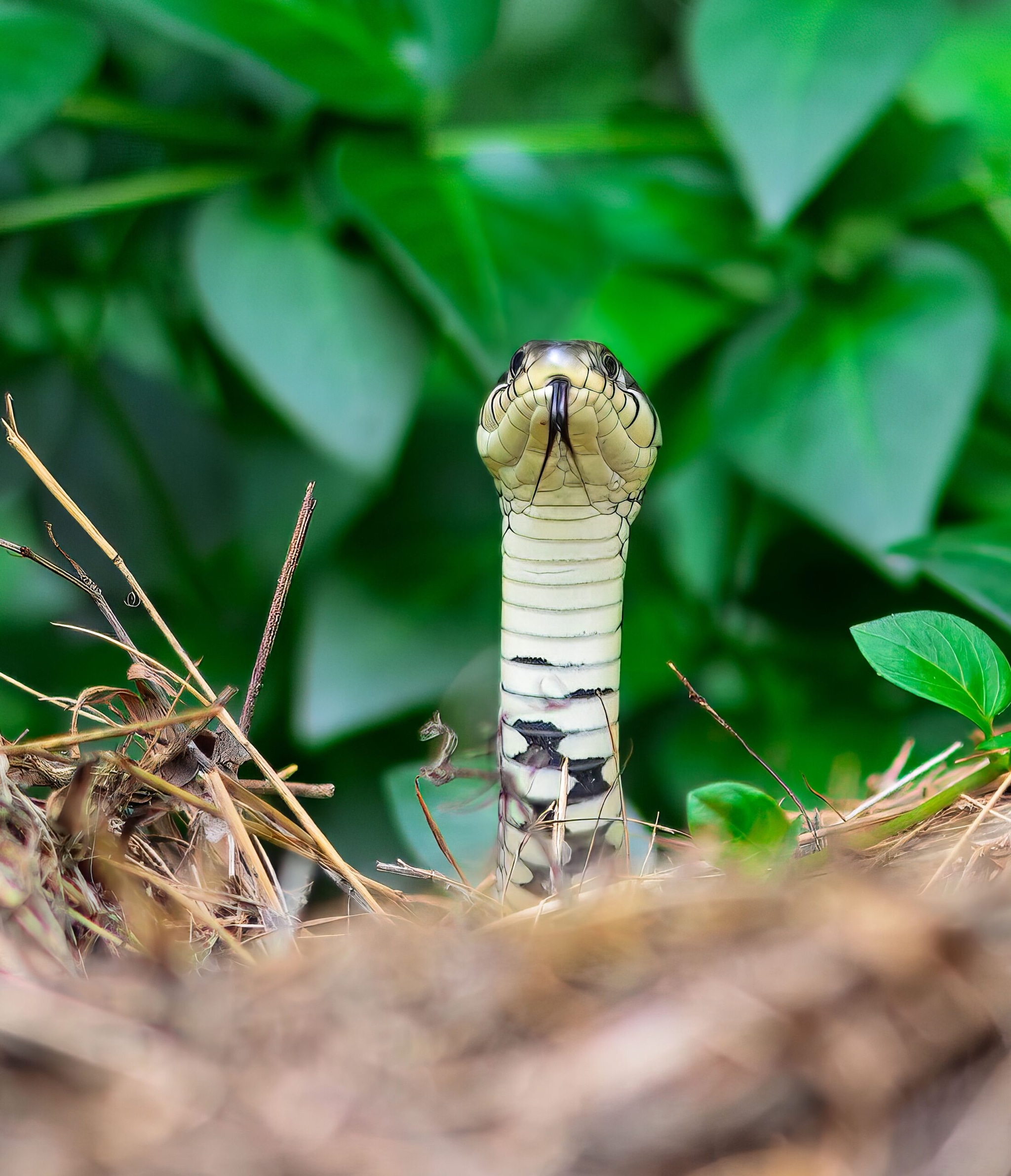
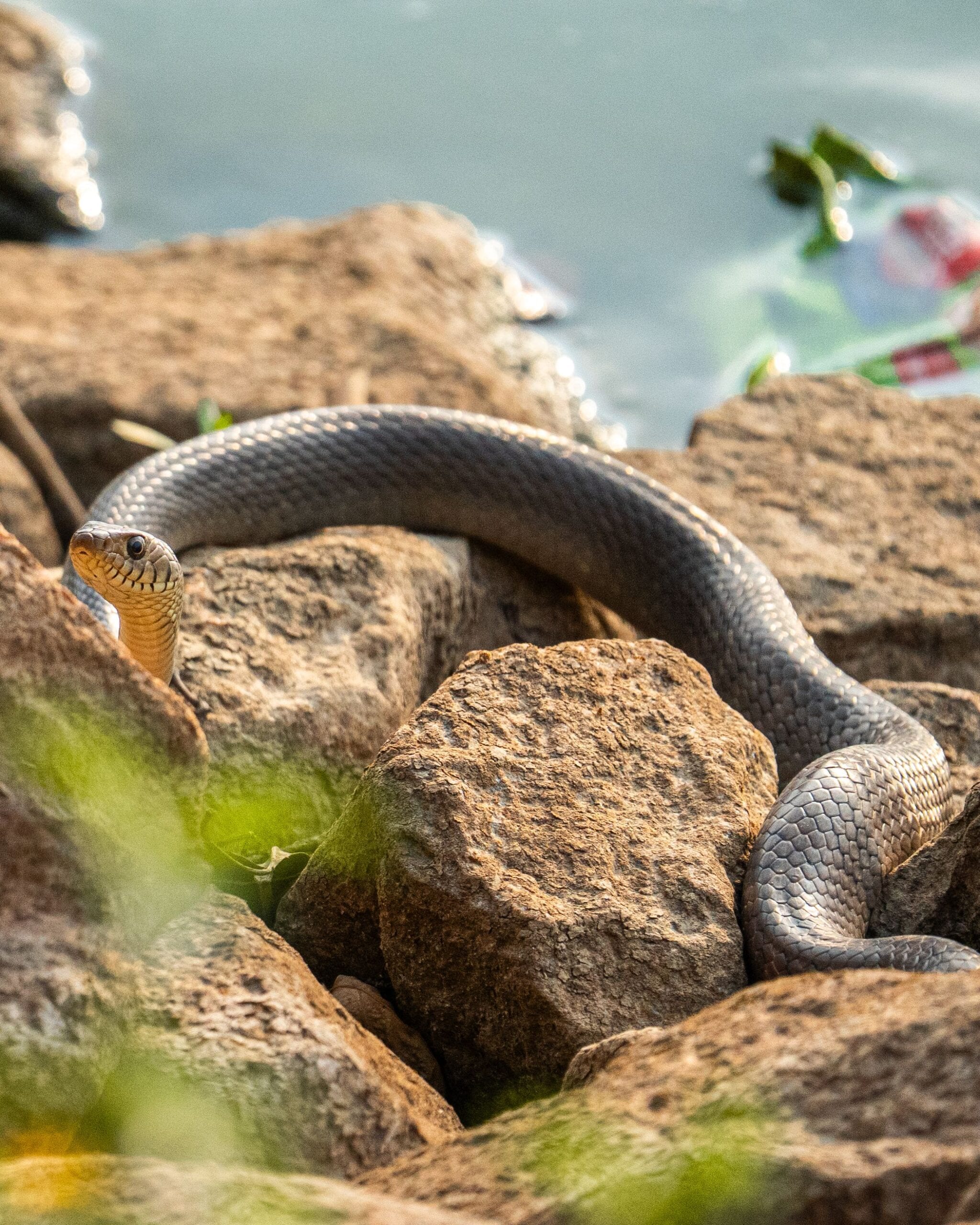
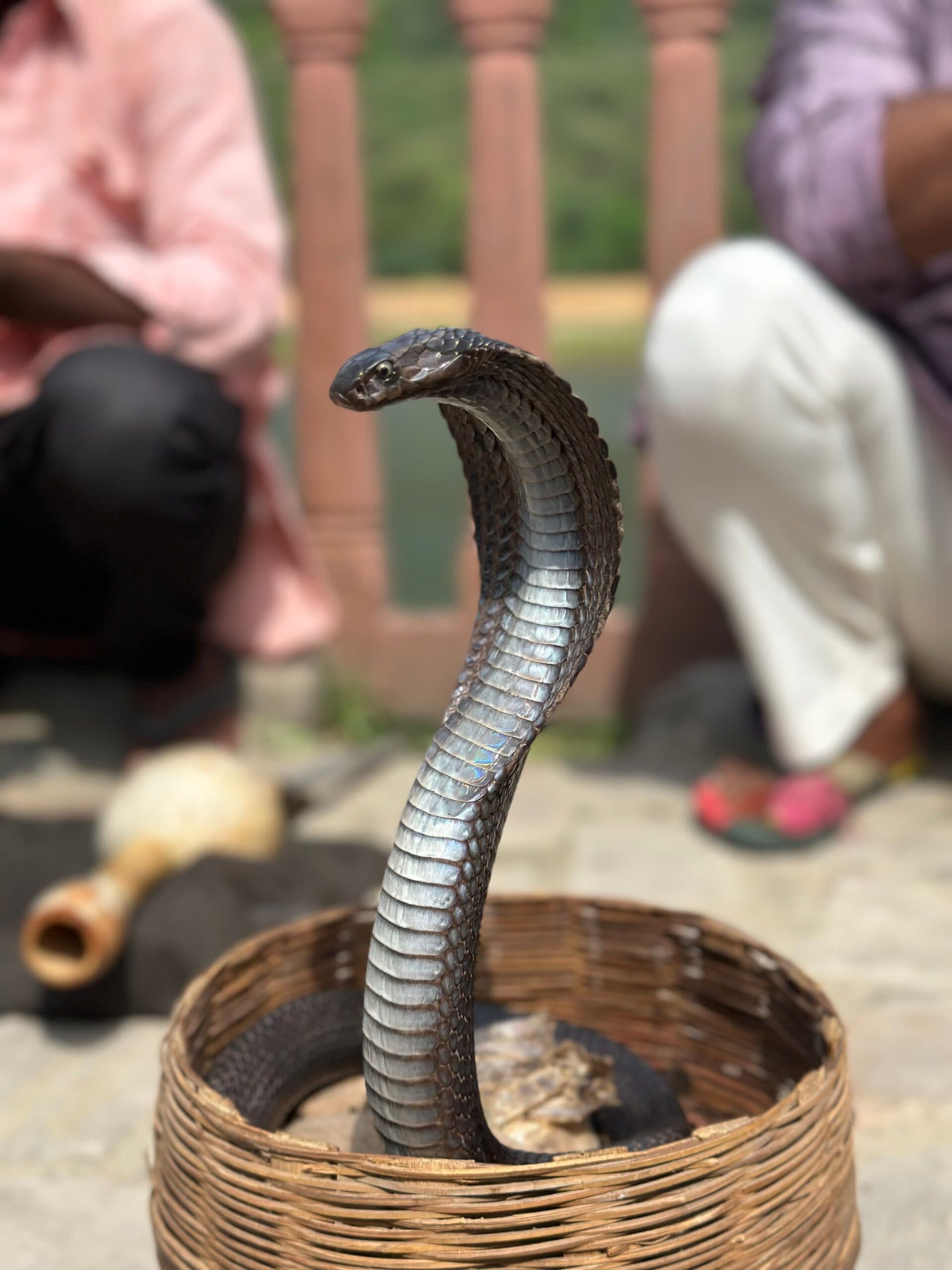
Snake Bites Woman 5 Times, She Gets 35 Injections: What To Do If A Snake Enters Your Home This Monsoon
A woman in Madhya Pradesh was bitten five times in two minutes and required multiple doses of anti-snake venom. Here’s what to do if a snake enters your home.

Original source: https://www.news18.com/
Author

admin@myncblogs.com
Related Posts

‘They Want ₹2-3 Crore Assets’: Reddit Post Claims Brides’ Families Are Making Big Demands In Arranged Marriage Market
- 0
- 1,319 word
News viral ‘They Want ₹2-3 Crore Assets’: Reddit Post Claims Brides’ Families Are Making Big Demands In Arranged Marriage Market‘They Want ₹2-3...
Read out all
Looking For A Quiet Monsoon Escape? This Hidden Maharashtra Gem Is Perfect For A Weekend Trip
- 0
- 466 words
News Photogallery lifestyle travel Looking For A Quiet Monsoon Escape? This Hidden Maharashtra Gem Is Perfect For A Weekend Trip Looking For...
Read out all
Actor-Host Had Passionate Affair With A Maharaja At 17, Dated A Nawab, Almost Married Ratan Tata, Now Lives Alone
- 0
- 373 words
News Photogallery movies bollywood Actor-Host Had Passionate Affair With A Maharaja At 17, Dated A Nawab, Almost Married Ratan Tata, Now Lives...
Read out allMrunal Thakur’s Post Goes Viral After Breaking Silence On Yashasvi Jaiswal Dating Buzz: ‘Romancing The…’
- 0
- 576 words
News movies bollywood Mrunal Thakur's Post Goes Viral After Breaking Silence On Yashasvi Jaiswal Dating Buzz: 'Romancing The...'Mrunal Thakur's Post Goes Viral...
Read out all
Onam 2026 Calendar: 10 Days From Atham To Thiruvonam And How They’re Celebrated
- 0
- 880 words
News Photogallery lifestyle events Onam 2026 Calendar: 10 Days From Atham To Thiruvonam And How They’re Celebrated Onam 2026 Calendar: 10 Days...
Read out all
Parliament Monsoon Session 2026 Live Updates: Lok Sabha Adjourned Until Noon Amid Disruptions
- 0
- 818 words
Live nowNews india Parliament Monsoon Session 2026 Live Updates: Lok Sabha Adjourned Until Noon Amid DisruptionsParliament Monsoon Session 2026 Live Updates: Lok...
Read out all