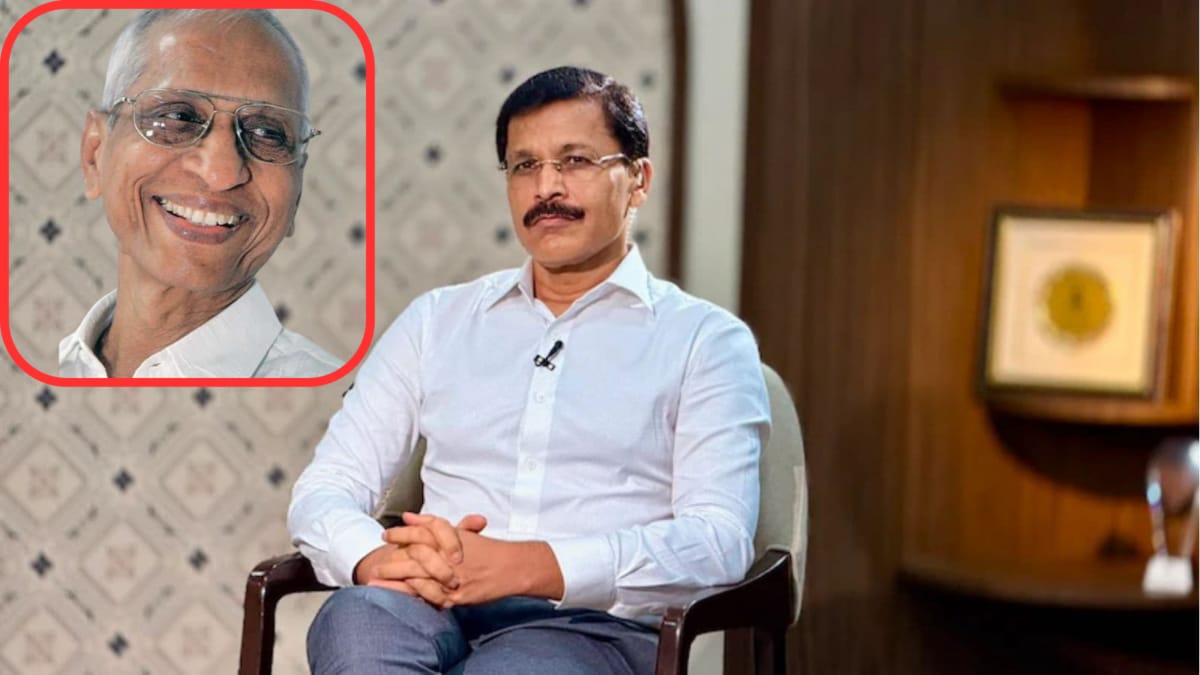
Excerpt: One took on Dawood’s properties, the other is now in the spotlight after an HC canteen inspection. What links Tukaram Mundhe to Maharashtra’s ‘Bulldozer Man’?
1/11
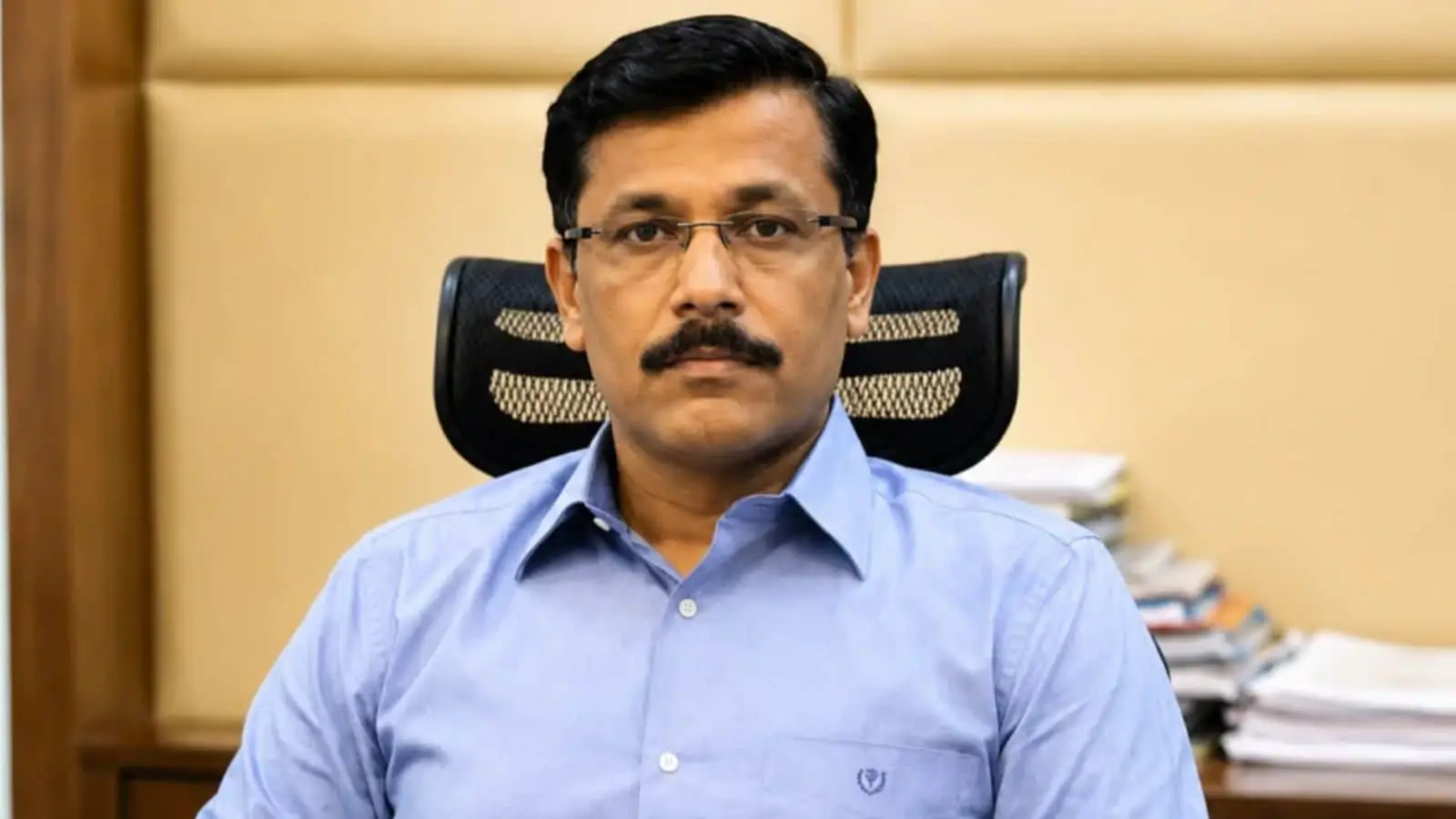
Mumbai News: A day after the Bombay High Court pulled up Maharashtra Food and Drug Administration (FDA) Commissioner Tukaram Mundhe over his conduct, his team arrived to inspect the High Court’s own canteen. The episode has added another chapter to the career of the 2005-batch Maharashtra cadre IAS officer, whose uncompromising style of working has repeatedly placed him in the spotlight and drawn attention to officials willing to take on powerful interests.
2/11
Since taking charge as FDA Commissioner around three months ago, Mundhe has stepped up action across Maharashtra’s food and beverage industry, citing violations of hygiene standards and concerns over public health. His department has cancelled the licences of several prominent restaurants, ice cream parlours and dairies, with action extending from five-star hotels to government-run canteens. The inspection of the High Court canteen came a day after the court criticised Mundhe for allegedly exceeding his powers while taking action against a hotel.
ADVERTISEMENT
3/11
Tukaram Mundhe is known for his blunt manner and an approach that rarely makes exceptions for influential establishments. That style, however, has come at a professional cost. He has been transferred more than 25 times during a career spanning around two decades, making him one of Maharashtra’s most frequently transferred and closely watched bureaucrats.
4/11
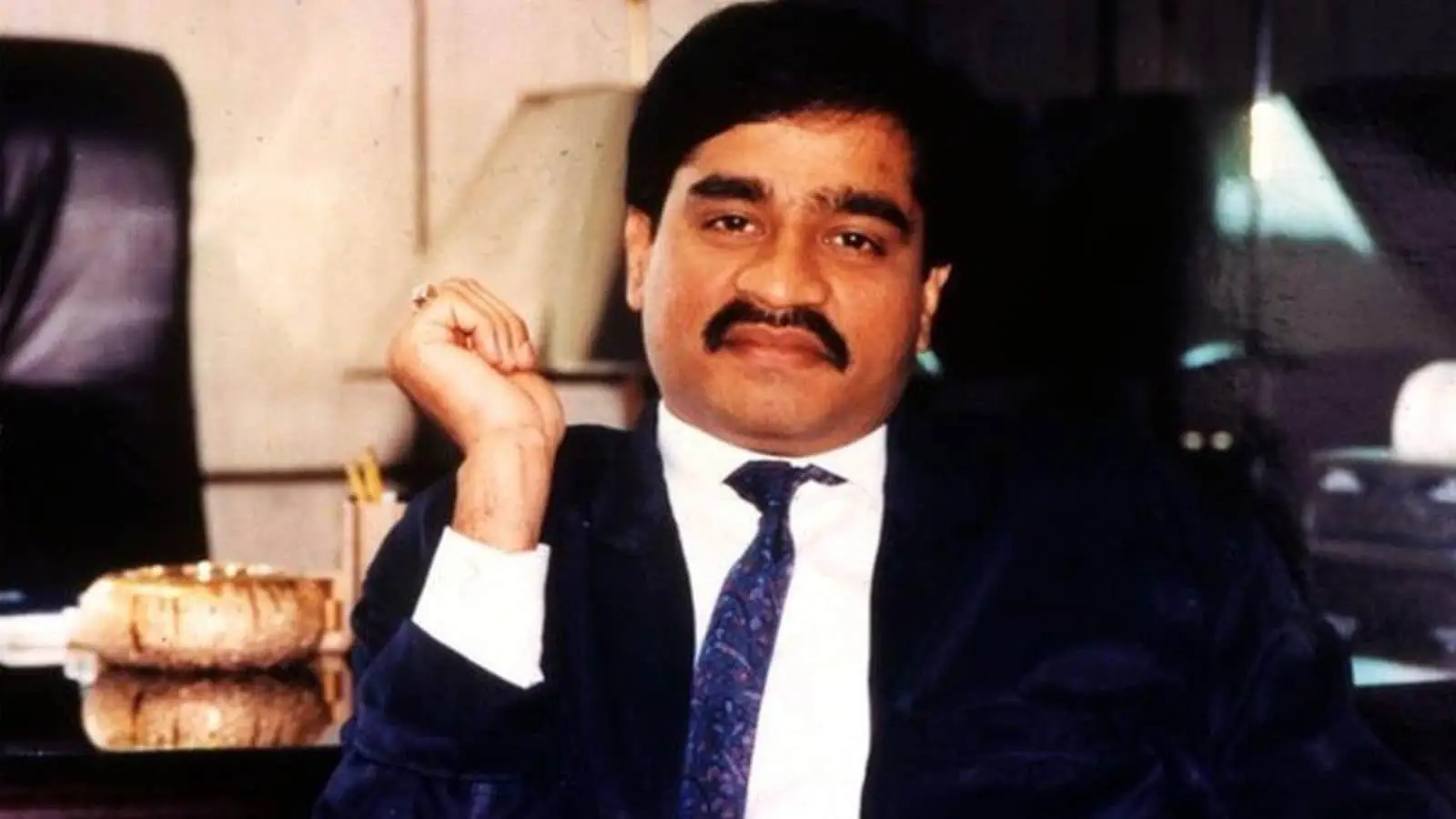
His latest tenure at the FDA has once again put his working style under the spotlight, particularly as the regulator has stepped up inspections and enforcement against food and beverage establishments across the state. Mundhe’s approach has also drawn comparisons with another Maharashtra government officer who became a household name in the 1990s for challenging influential people and institutions – Govind Ragho Khairnar. Khairnar earned the nickname Mumbai’s ‘Bulldozer Man’ for his campaign against illegal constructions, including properties allegedly linked to underworld figure Dawood Ibrahim.
ADVERTISEMENT
5/11
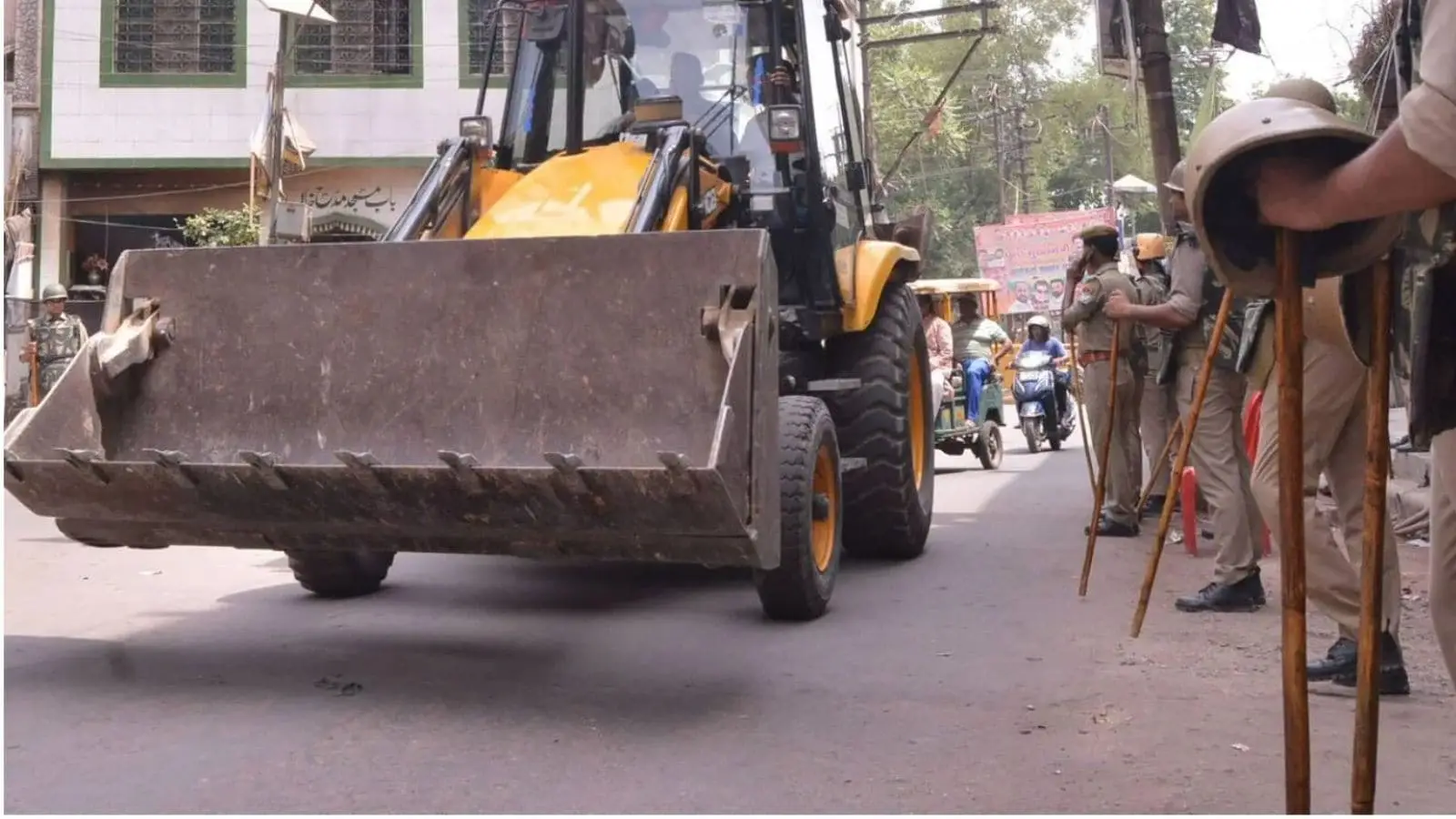
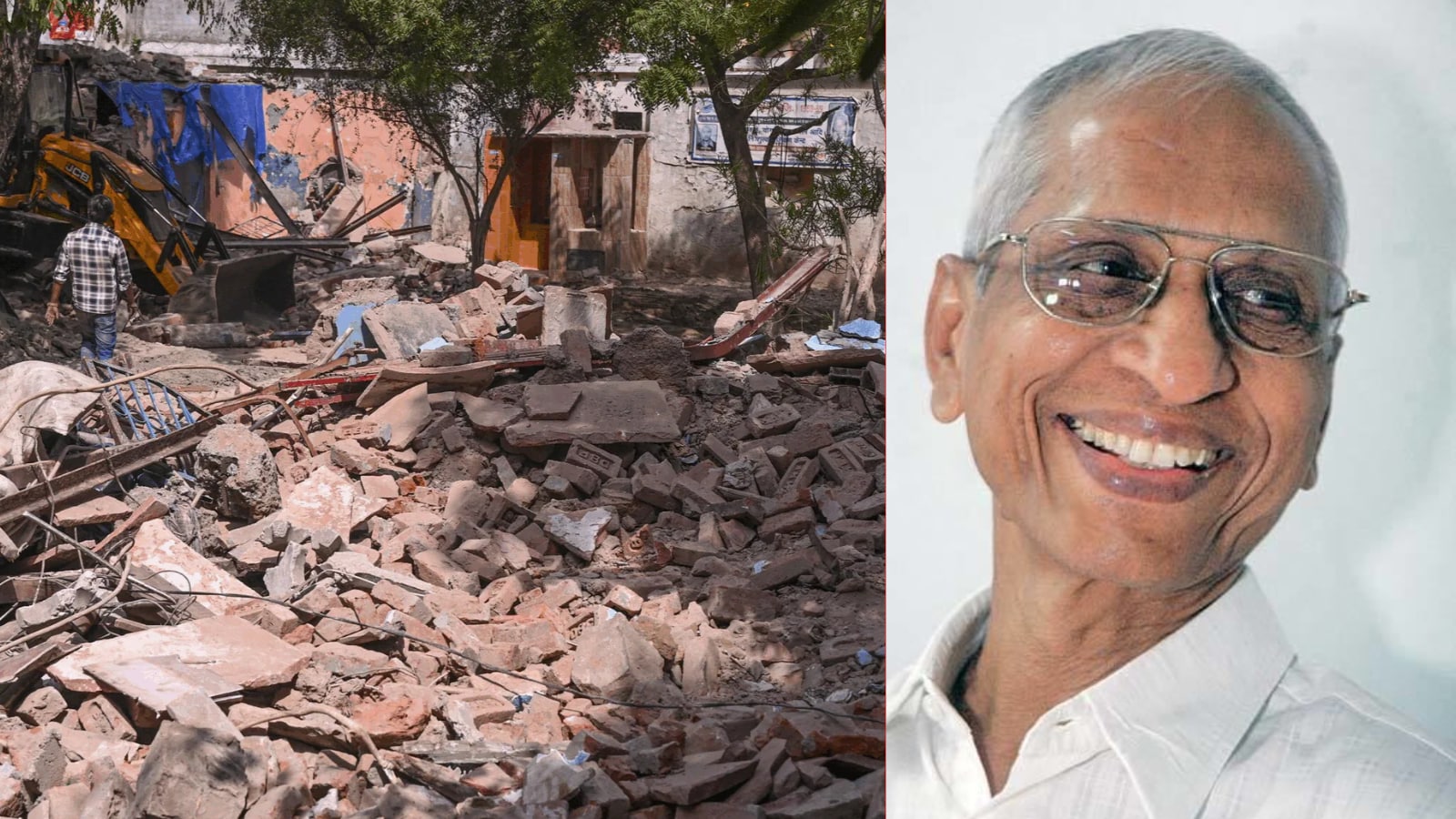
GR Khairnar joined the Maharashtra government as a clerk in 1964 and gradually rose through the ranks before becoming Deputy Commissioner of the Mumbai Municipal Corporation. In that position, he began taking action against illegal hawkers and unauthorised constructions, including structures allegedly linked to influential politicians and members of the underworld. His campaign intensified after the 1993 Mumbai bomb blasts, when Khairnar prepared a list of illegal buildings allegedly constructed by Dawood Ibrahim. He became known for turning up without prior warning at such properties, accompanied by bulldozers and BMC workers, and ordering their demolition.
6/11
Among the properties on Khairnar’s list was ‘Mehjabeen’ on Pakmodia Street, an elaborate building Dawood had reportedly constructed in his wife’s name. The property featured glass walls, a swimming pool, Italian marble flooring and other luxurious facilities, giving it the appearance of a five-star hotel. Khairnar eventually arrived at the property with a bulldozer and a team of BMC workers. The demolition continued for an entire day, after which the luxury building was reduced to rubble. The property became associated with Dawood’s ‘Sheesh Mahal’, or palace of glass, and the demolition cemented Khairnar’s reputation as an officer willing to take on the underworld. He later demolished another luxury property in the Zaveri Bazaar area, which belonged to Tiger Memon, an accused in the Mumbai blasts. The building had reportedly been used by Memon as an office while he was in India.
ADVERTISEMENT
7/11
Khairnar’s campaign against illegal construction did not go without controversy. According to a report by NDTV, he was accused of disproportionately targeting neighbourhoods belonging to a particular community. During the demolition of an illegal bookstall on Mohammed Ali Road, a copy of the Quran fell to the ground, triggering controversy. During the demolition operation, Dawood associate Salim Talwar also confronted Khairnar in what was described as an attempted attack. Khairnar’s actions increasingly brought him into conflict with politicians from the ruling party at the time. Then Chief Minister Sharad Pawar moved to curb his powers, but Khairnar continued his campaign and subsequently made serious allegations against Pawar. He was later suspended on charges relating to indiscipline and misconduct towards senior officials.
8/11
Khairnar did not remain silent during his suspension. He travelled across Maharashtra and conducted public awareness campaigns against corruption, addressing gatherings in different parts of the state. At one such rally, he claimed to possess truckloads of evidence allegedly linking Sharad Pawar to Dawood Ibrahim. However, he never publicly produced the evidence. The allegations nevertheless became a major political issue in Maharashtra.
ADVERTISEMENT
9/11
The Shiv Sena-BJP alliance used the wave of allegations surrounding Khairnar during the 1995 Maharashtra Assembly elections. The controversy surrounding his allegations was considered to have contributed to damage to Sharad Pawar’s image and the Congress party’s defeat in the election. The Shiv Sena-BJP alliance subsequently came to power in Maharashtra for the first time, with Manohar Joshi becoming Chief Minister.
10/11
Despite the support Khairnar received from the Shiv Sena-BJP alliance during his campaign against the Congress, no government appeared willing to keep an officer with his reputation in a prominent position for long. After the change of government, the question of lifting Khairnar’s suspension came up. Ironically, the same Shiv Sena that had backed him during his campaign against the Congress turned against him at that stage. The Congress, meanwhile, stood by Khairnar.
ADVERTISEMENT
11/11
Mundhe and Khairnar belong to different generations and have worked in different departments, but their careers share a common thread: both have built reputations for enforcing rules aggressively and taking action despite the influence or status of those involved. For Maharashtra, the comparison with Govind Khairnar raises a familiar question: how far can an uncompromising government officer go in challenging powerful interests before the system pushes back?
News cricket Mitchell Starc Creates Test History, Surpasses Sri Lanka Legend To Become...Mitchell Starc Creates Test History, Surpasses Sri Lanka Legend To...
News lifestyle fashion Diabetic Footwear for Parents or Grandparents? Check Out These 6 Cushioned SlippersDiabetic Footwear for Parents or Grandparents? Check Out...