- 0
- 398 words
8 Exercises That May Help Manage Blood Sugar Naturally
Discover 8 exercises that may help manage blood sugar, including walking, cycling, swimming, strength training, yoga, dancing, jogging and HIIT.
From brisk walking and cycling to strength training and yoga, these eight exercises can support better blood-sugar management by helping improve insulin sensitivity and glucose use.

A brisk walk is one of the simplest ways to add moderate-intensity aerobic activity to your day. Regular walking can help muscles use glucose for energy and improve insulin sensitivity.
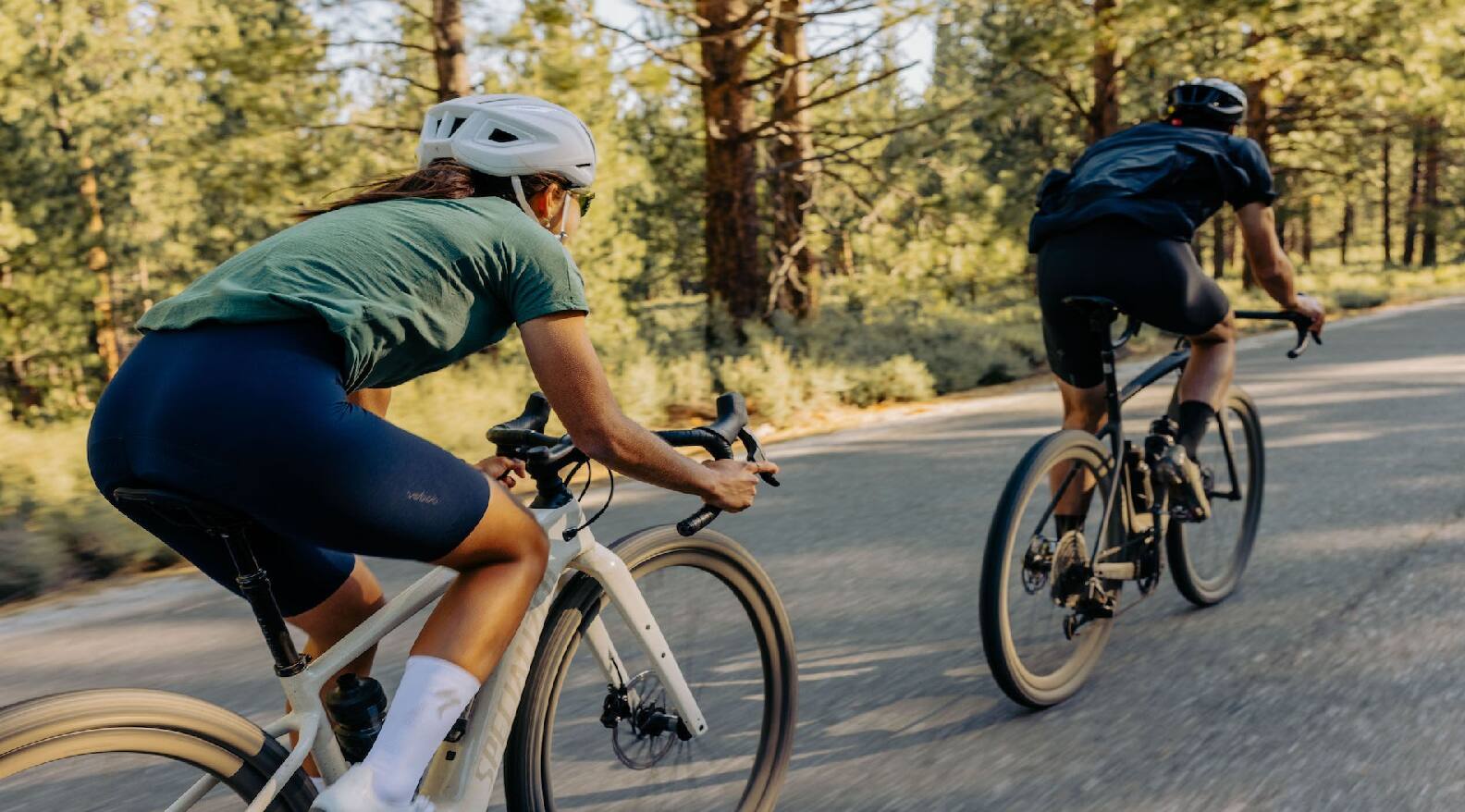
Whether outdoors or on a stationary bike, cycling works large muscle groups and provides an aerobic workout that can support blood-sugar management. It can also be a useful low-impact option for people who find running uncomfortable.

Swimming provides a full-body aerobic workout while placing relatively little impact on the joints. Regular aerobic activity can help improve blood-glucose control and insulin sensitivity.
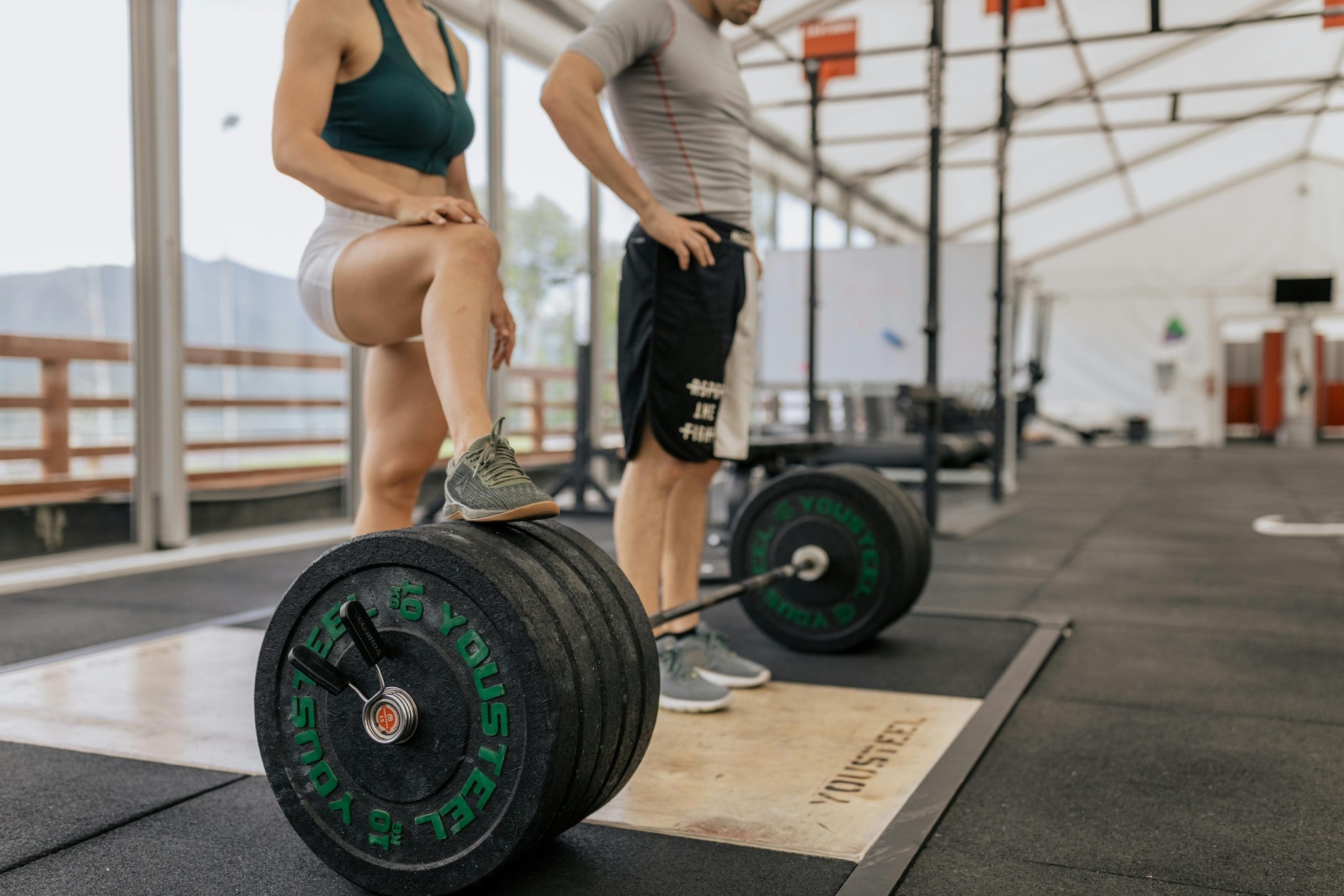
Weight training, resistance bands and bodyweight exercises can help build and maintain muscle. Resistance training is particularly useful for glucose management because active muscles take up glucose, while regular training can improve how the body responds to insulin.

Yoga combines movement, flexibility and balance, while some forms also provide a resistance component. It can be incorporated into a broader exercise routine alongside aerobic and strength-based activities.
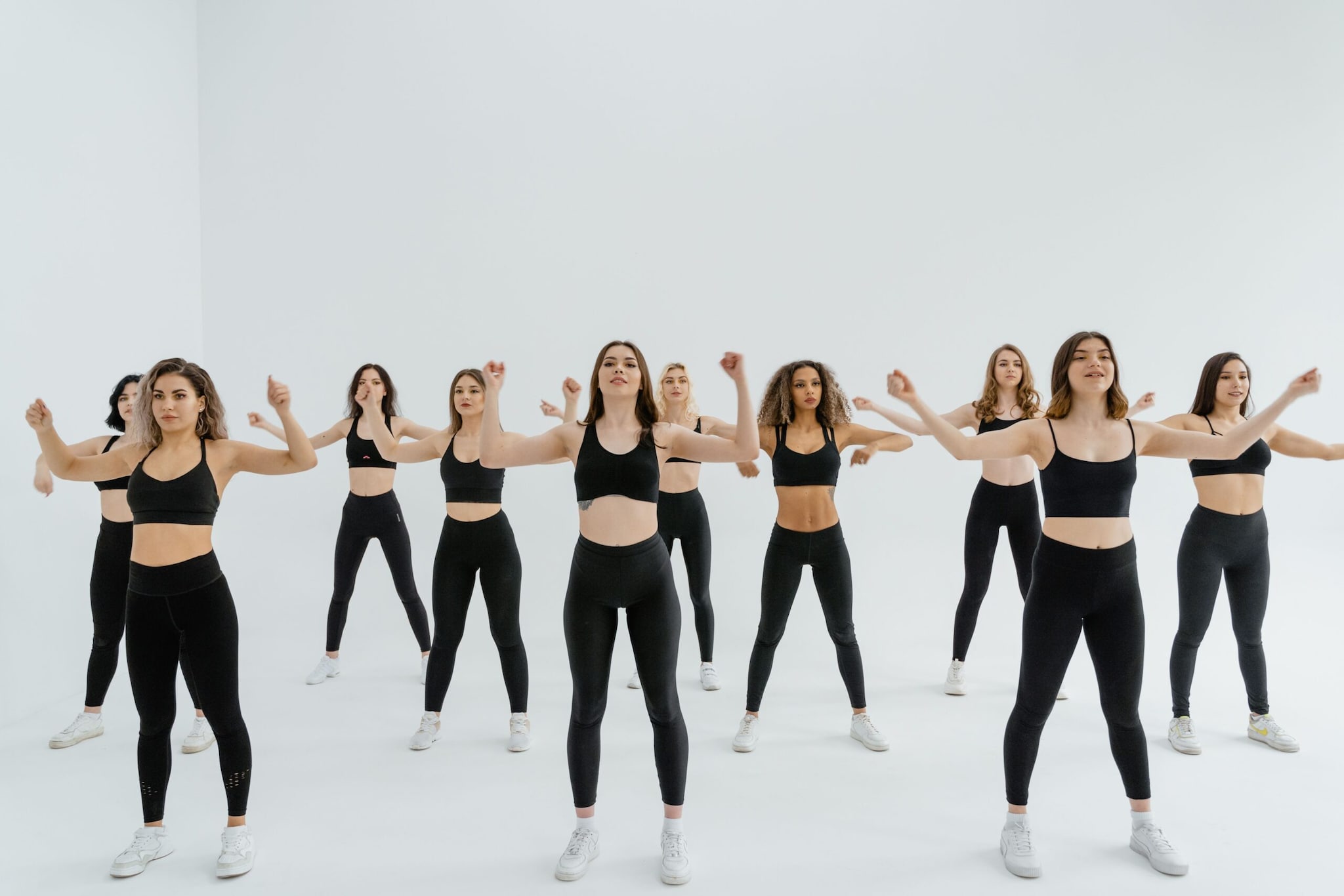
Put on your favourite playlist and get moving. Dancing can provide moderate aerobic activity while making exercise feel less like a workout. The CDC also lists dancing among simple ways to add more physical activity to your day.

For people who are already comfortable with aerobic exercise, jogging can increase the intensity of a workout and engage large muscle groups. However, it isn’t necessary to run to benefit from physical activity; brisk walking can be a good starting point for beginners.

High-intensity interval training alternates periods of moderate activity with short bursts of vigorous movement. It can improve fitness and may benefit glucose management, but it is more demanding than moderate exercise and isn’t appropriate for everyone. A doctor’s advice may be important before starting HIIT, particularly for people with diabetes or related complications.
Original source: https://www.news18.com/
Author

admin@myncblogs.com
Related Posts

Bengaluru-Mumbai Vande Bharat Sleeper Vs Flight: Which Is Cheaper And Faster?
- 0
- 488 words
News Photogallery lifestyle travel Bengaluru-Mumbai Vande Bharat Sleeper Vs Flight: Which Is Cheaper And Faster? Bengaluru-Mumbai Vande Bharat Sleeper Vs Flight: Which...
Read out all
Who Is Deepti Gaur Mukherjee? Why Her Appointment As Higher Education Secretary Matters Amid NEET, Jharkhand Student Protests
- 0
- 951 words
Temp:°C %AQI: Petrol:₹ +0%Diesel:₹ +0%24 Gold/10g:₹0+0%Silver/kg:₹0 +0%Platinum/gram: +0%Zinc/kg: +0%Copper/kg: +0%CNG/kg: +0%News cities new-delhi-news Who Is Deepti Gaur Mukherjee? Why Her Appointment As...
Read out all
Vande Mataram To Be Sung At I-Day Parade: A Look At India’s National Song’s History
- 0
- 1,134 word
News lifestyle events Vande Mataram To Be Sung At I-Day Parade: A Look At India's National Song's HistoryVande Mataram To Be Sung...
Read out all
Karnataka Bandh On August 13: What Will Shut, What Will Stay Open? Check Details
- 0
- 743 words
Temp:°C %AQI: Petrol:₹ +0%Diesel:₹ +0%24 Gold/10g:₹0+0%Silver/kg:₹0 +0%Platinum/gram: +0%Zinc/kg: +0%Copper/kg: +0%CNG/kg: +0%News cities bengaluru-news Karnataka Bandh On August 13: What Will Shut, What...
Read out all
AR Rahman’s Son AR Ameen Breaks Silence On Chennai Car Accident: ‘I Was In The Passenger Seat…’
- 0
- 566 words
News movies bollywood AR Rahman's Son AR Ameen Breaks Silence On Chennai Car Accident: 'I Was In The Passenger Seat...'AR Rahman's Son...
Read out all
UP Scholarship 2026-27: Applications Begin For Classes 9 To 12, Check Schedule
- 0
- 752 words
News education-career UP Scholarship 2026-27: Applications Begin For Classes 9 To 12, Check ScheduleUP Scholarship 2026-27: Applications Begin For Classes 9 To...
Read out all